Exercise guide · Intermediate · Compound
Extreme Style Barbell Reverse Close-Grip Bench Press: How to Do It & Muscles Worked
The barbell reverse close-grip bench press is a compound exercise that targets the triceps, with secondary emphasis on the chest and shoulders. It involves lying on a bench and pressing a barbell with a reverse (underhand) grip, which shifts more focus to the triceps compared to a traditional bench press.
- Primary muscles
- Triceps
- Equipment
- Barbell
- Level · type
- Intermediate · Compound
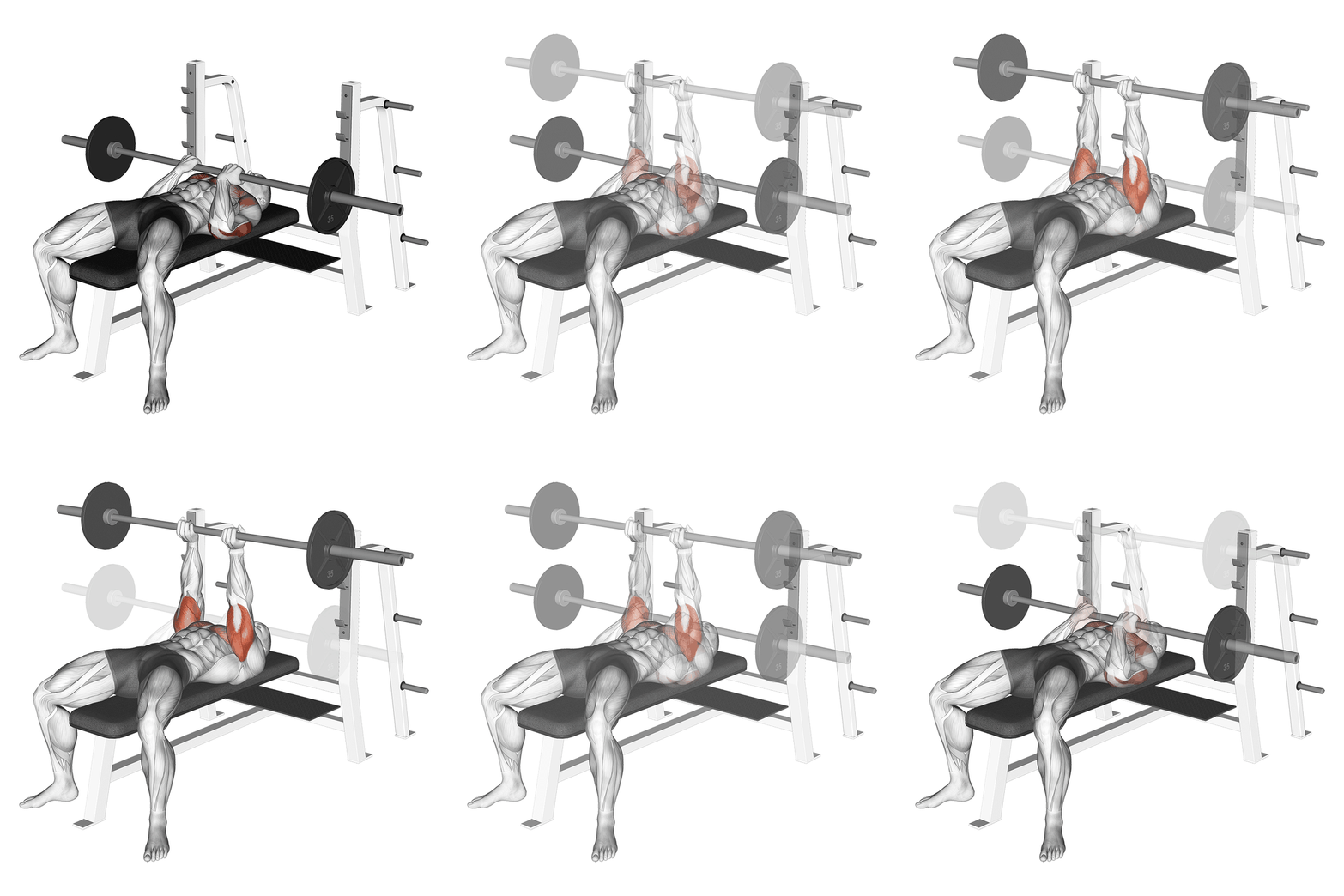
How to do the extreme style barbell reverse close-grip bench press
- Step 1: Lie flat on a bench with your feet flat on the ground and your back pressed against the bench.
- Step 2: Grasp the barbell with a reverse grip, hands shoulder-width apart.
- Step 3: Lift the barbell off the rack and hold it directly above your chest with your arms fully extended.
- Step 4: Slowly lower the barbell down towards your chest, keeping your elbows close to your body. Emphasize extreme control.
- Step 5: Pause for a moment when the barbell is just above your chest.
- Step 6: Push the barbell back up to the starting position, fully extending your arms.
- Step 7: Repeat for the desired number of repetitions.
Sets, reps and programming
| Goal | Sets | Reps | Rest | Effort |
|---|---|---|---|---|
| Strength | 3–5 | 3–6 | 3–5 min | 1–3 reps in reserve |
| Muscle growth | 3–4 | 6–12 | 2–3 min | 1–2 reps in reserve |
| Muscular endurance | 2–3 | 12–20 | 1–2 min | 1–3 reps in reserve |
Ranges follow the ACSM position stand on progression in resistance training. Muscle grows across a wide range of loads when sets end close to failure (Schoenfeld et al., 2017), longer rests between heavy sets support strength and size (Schoenfeld et al., 2016), and stopping a rep or two short of failure works about as well as training to failure (Grgic et al., 2022). Estimate your working weights with the strength calculators.
Extreme Style Barbell Reverse Close-Grip Bench Press alternatives
More exercises that train the triceps as their main target:
-
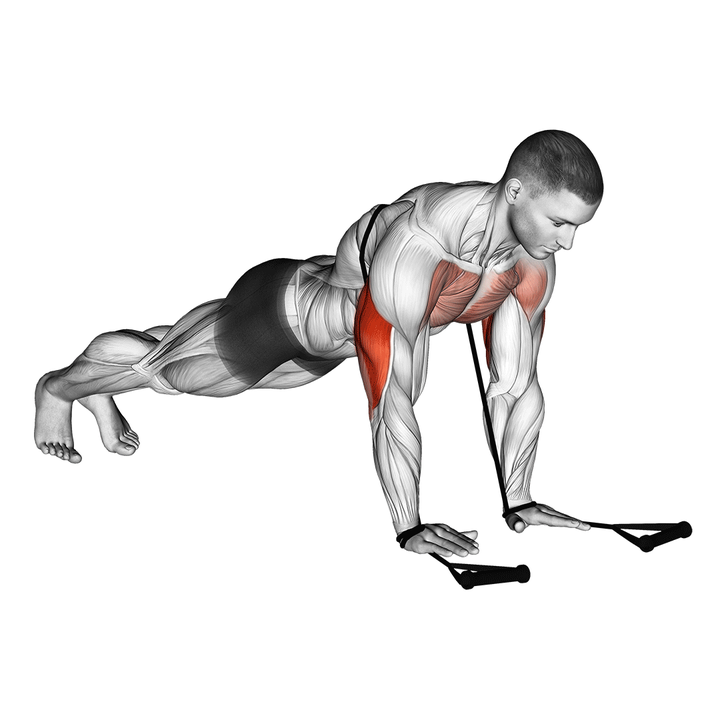
Band Close-Grip Push-Up
Triceps · Band · Intermediate compound -
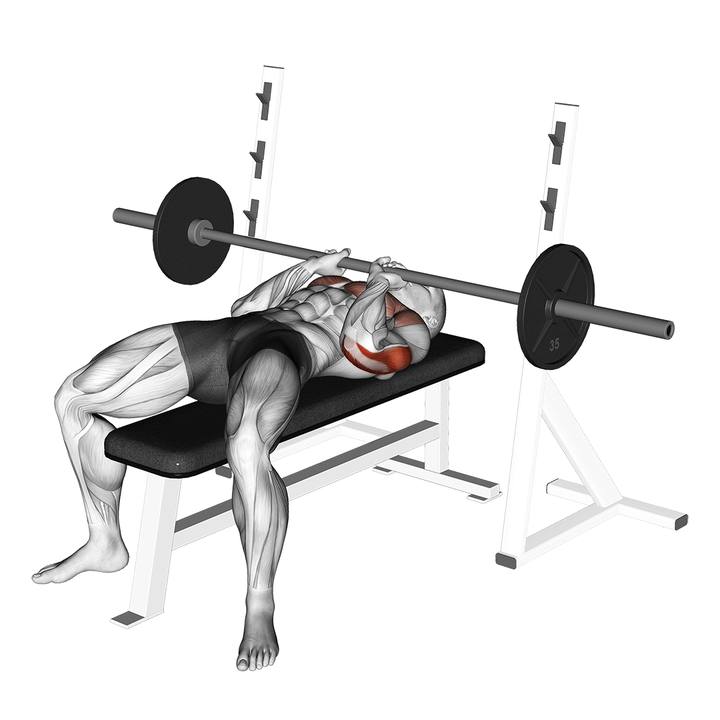
Barbell Close-Grip Bench Press
Triceps · Barbell · Intermediate compound -
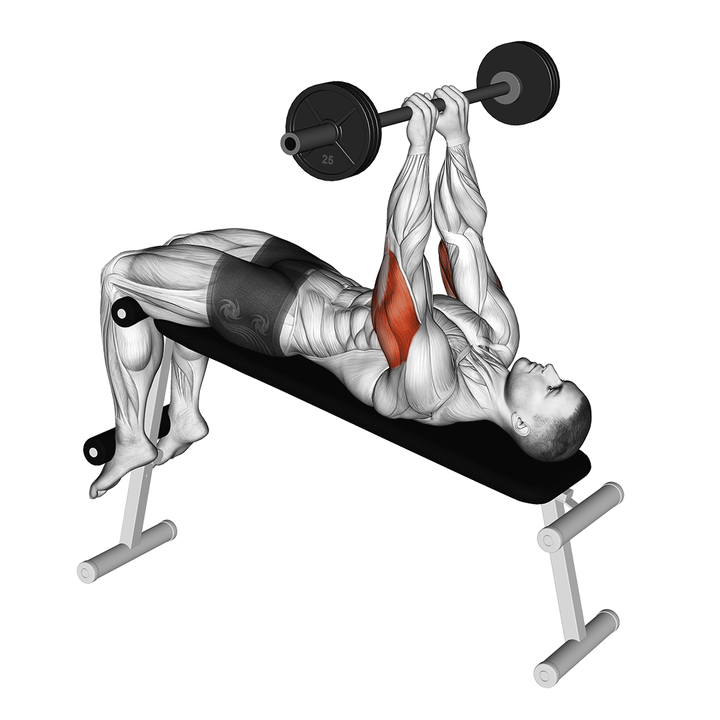
Barbell Decline Close Grip to Skull Press
Triceps · Barbell · Intermediate compound -
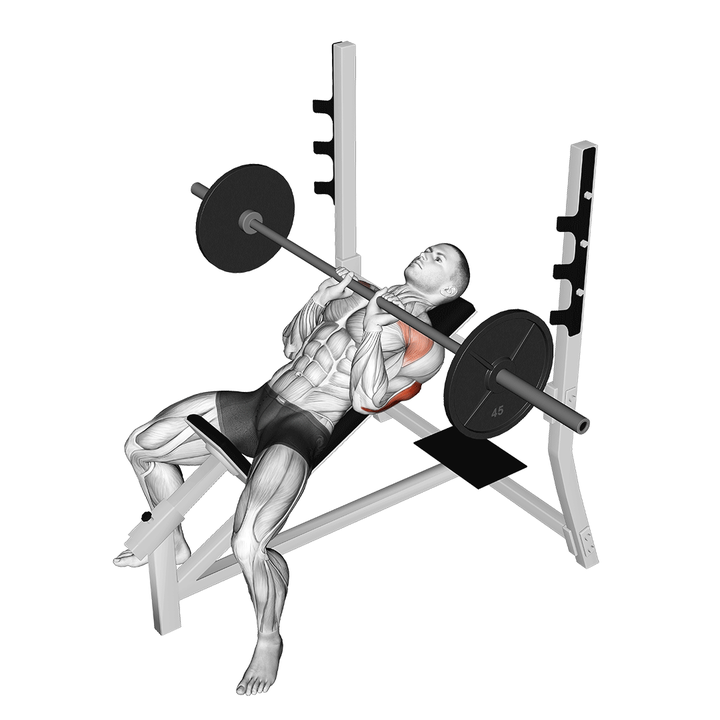
Barbell Incline Close Grip Bench Press
Triceps · Barbell · Intermediate compound -
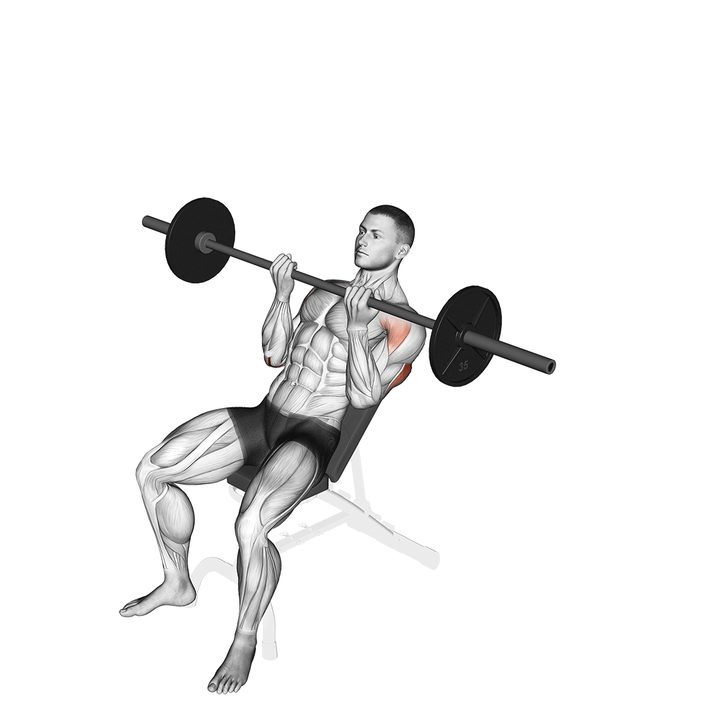
Barbell Incline Reverse-Grip Press
Triceps · Barbell · Intermediate compound -
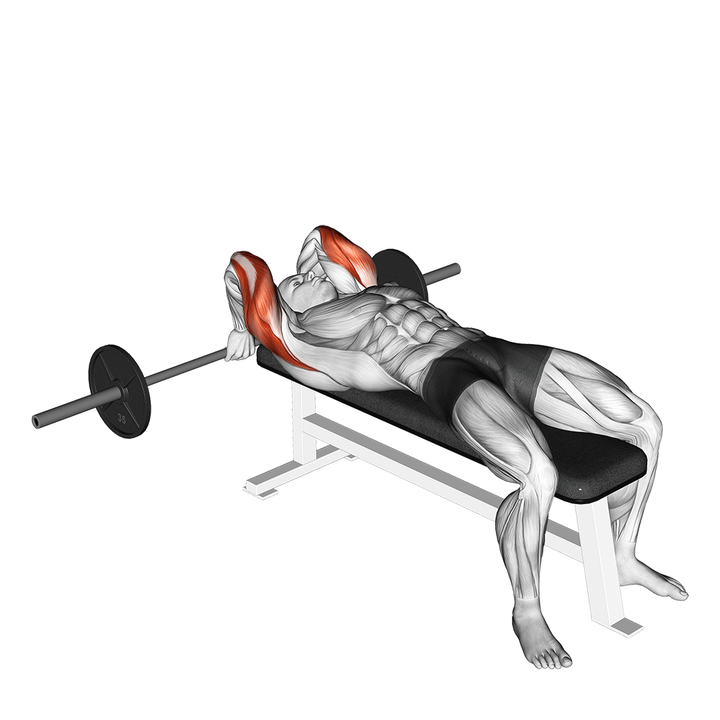
Barbell Lying Back of the Head Tricep Extension
Triceps · Barbell · Intermediate compound -
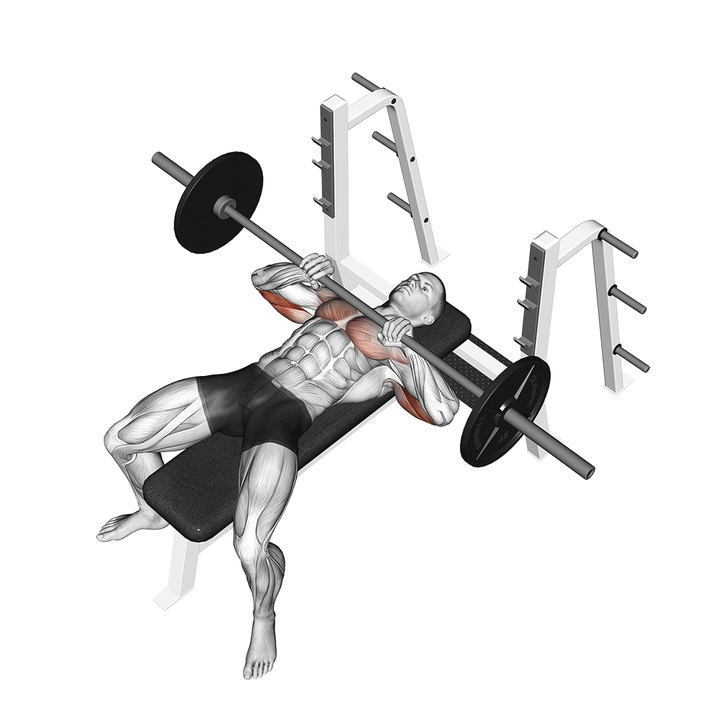
Barbell Lying Close-Grip Press
Triceps · Barbell · Intermediate compound -
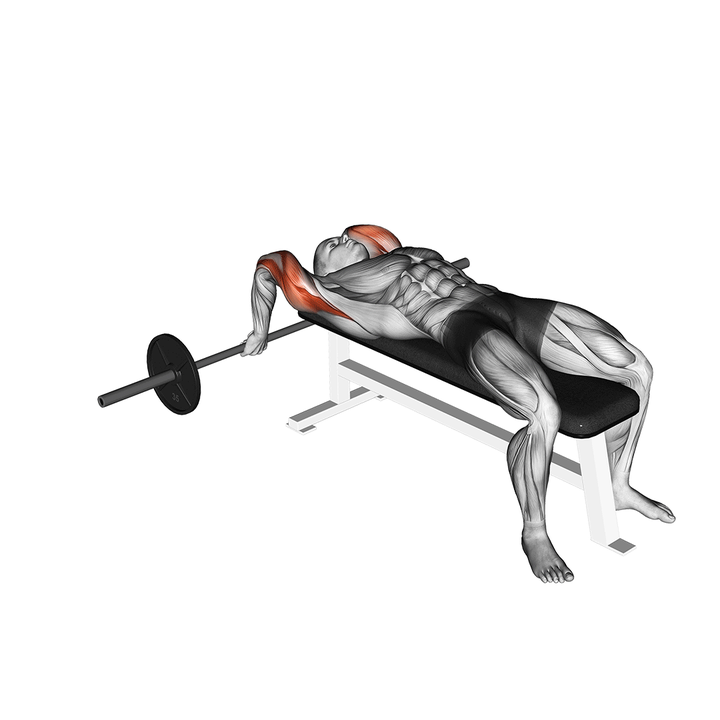
Barbell Lying Close-Grip Triceps Extension
Triceps · Barbell · Intermediate compound
More triceps exercises
-
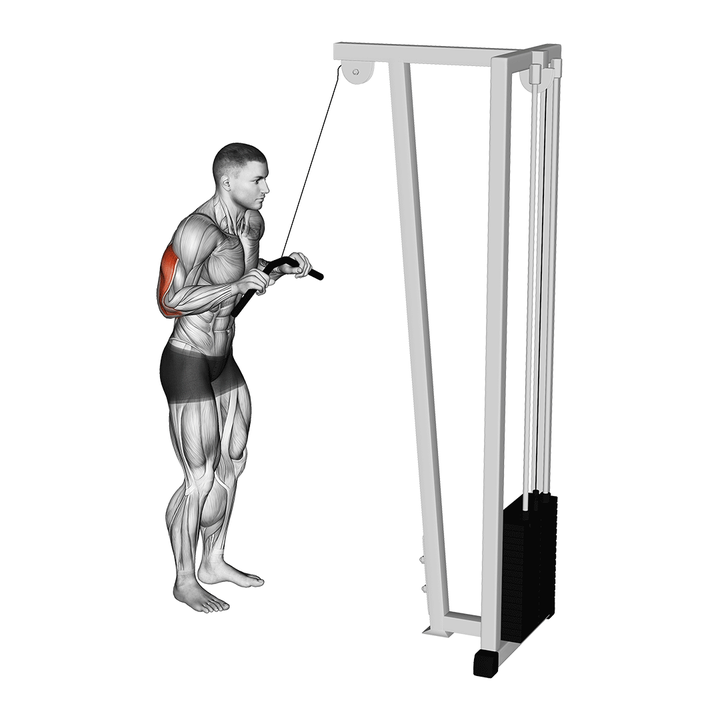
Cable Triceps Pushdown
Triceps · Cable · Beginner compound -
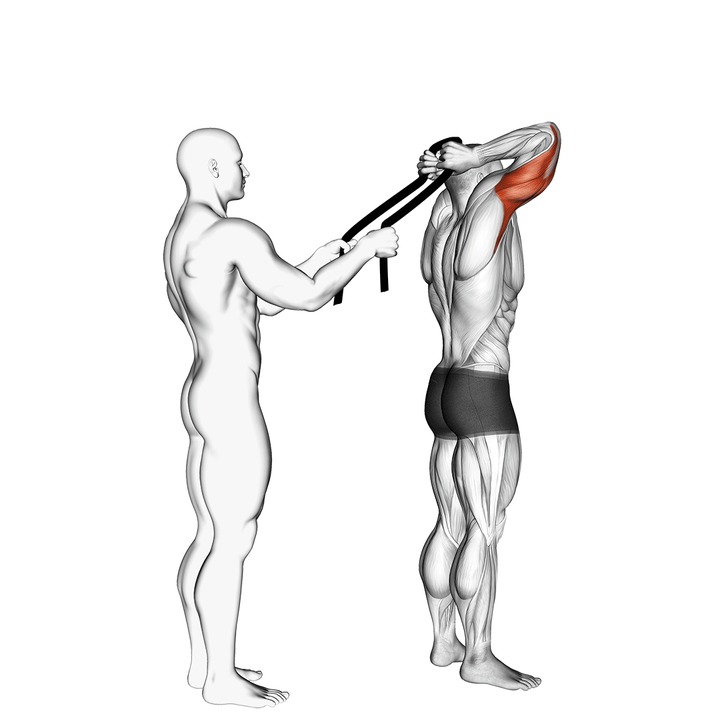
Assisted Standing Triceps Extension (With Towel)
Triceps · Assisted · Beginner compound -
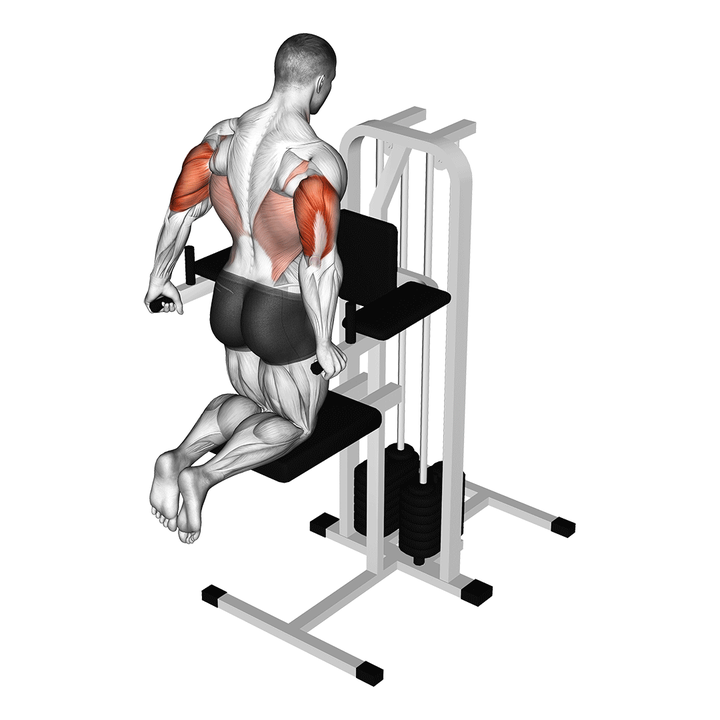
Assisted Triceps Dip (Kneeling)
Triceps · Leverage Machine · Beginner compound -
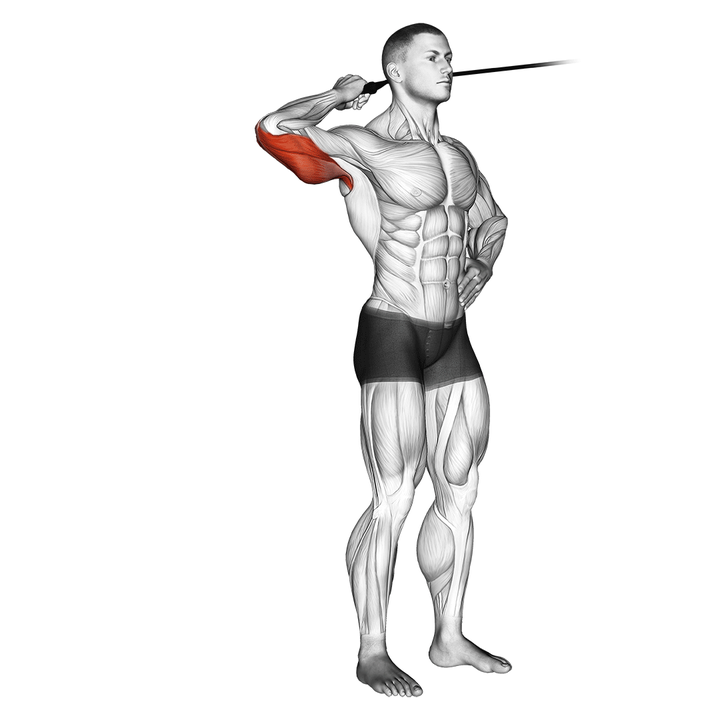
Band Side Triceps Extension
Triceps · Band · Beginner compound -
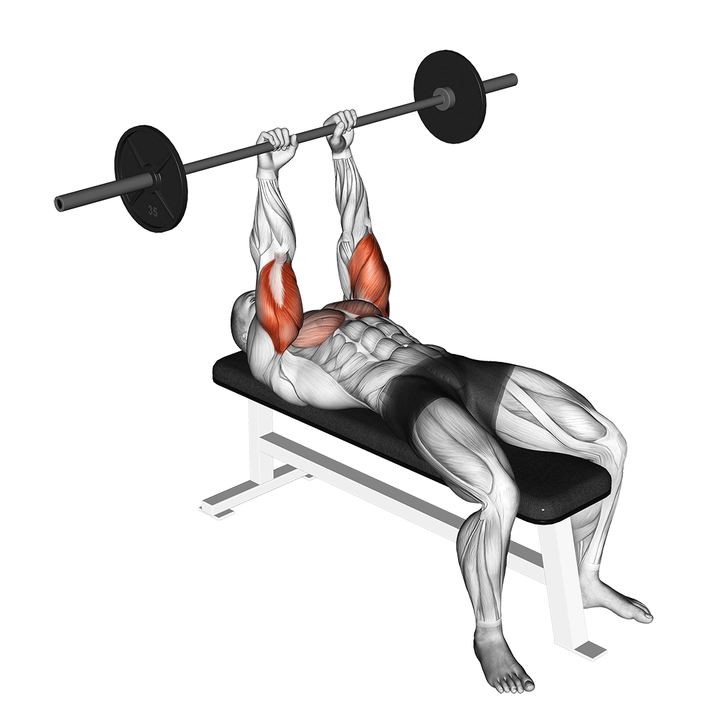
Barbell Jm Bench Press
Triceps · Barbell · Advanced compound -
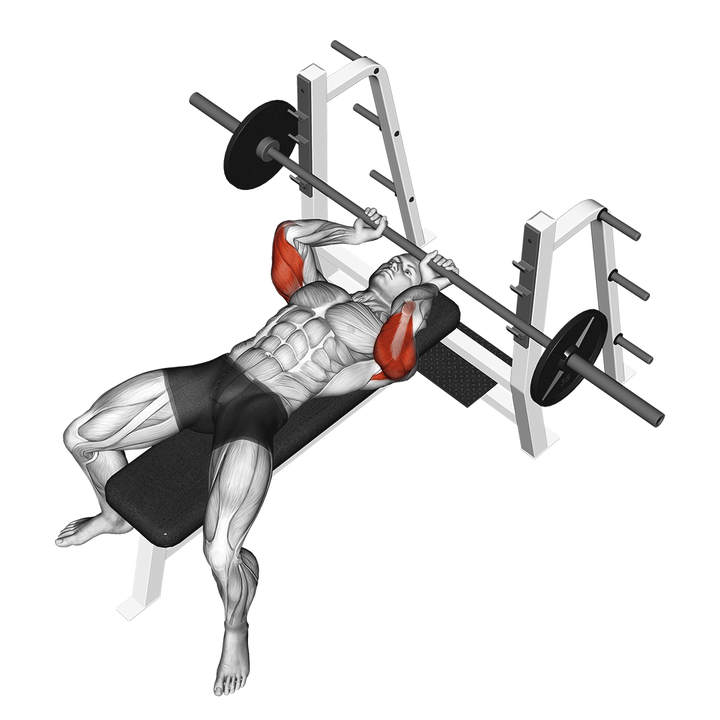
Barbell Lying Extension
Triceps · Barbell · Intermediate compound
Sources
- American College of Sports Medicine. Progression models in resistance training for healthy adults. Med Sci Sports Exerc. 2009;41(3):687-708.
- Schoenfeld BJ, Grgic J, Ogborn D, Krieger JW. Strength and hypertrophy adaptations between low- vs. high-load resistance training. J Strength Cond Res. 2017;31(12):3508-3523.
- Schoenfeld BJ, Pope ZK, Benik FM, et al. Longer interset rest periods enhance muscle strength and hypertrophy in resistance-trained men. J Strength Cond Res. 2016;30(7):1805-1812.
- Grgic J, Schoenfeld BJ, Orazem J, Sabol F. Effects of resistance training performed to repetition failure or non-failure on muscular strength and hypertrophy: a systematic review and meta-analysis. J Sport Health Sci. 2022;11(2):202-211.
Step-by-step instructions and demonstration media are from the ExerciseDB exercise dataset.
This guide is general fitness information, not medical advice. Stop if an exercise causes pain and speak to a doctor or physiotherapist about injuries or health conditions before starting a new programme.