Exercise guide · Beginner · Compound
Dumbbell Goblet Squat: How to Do It & Muscles Worked
The goblet squat holds a single dumbbell at your chest, which counterbalances your body and makes a deep, upright squat easier to find. It is the best first squat for beginners and an easy way to train legs at home with one weight.
- Primary muscles
- Quads
- Secondary muscles
- Calves , Hamstrings , Glutes
- Equipment
- Dumbbell
- Level · type
- Beginner · Compound
Written by the FitStack training team. Last reviewed .
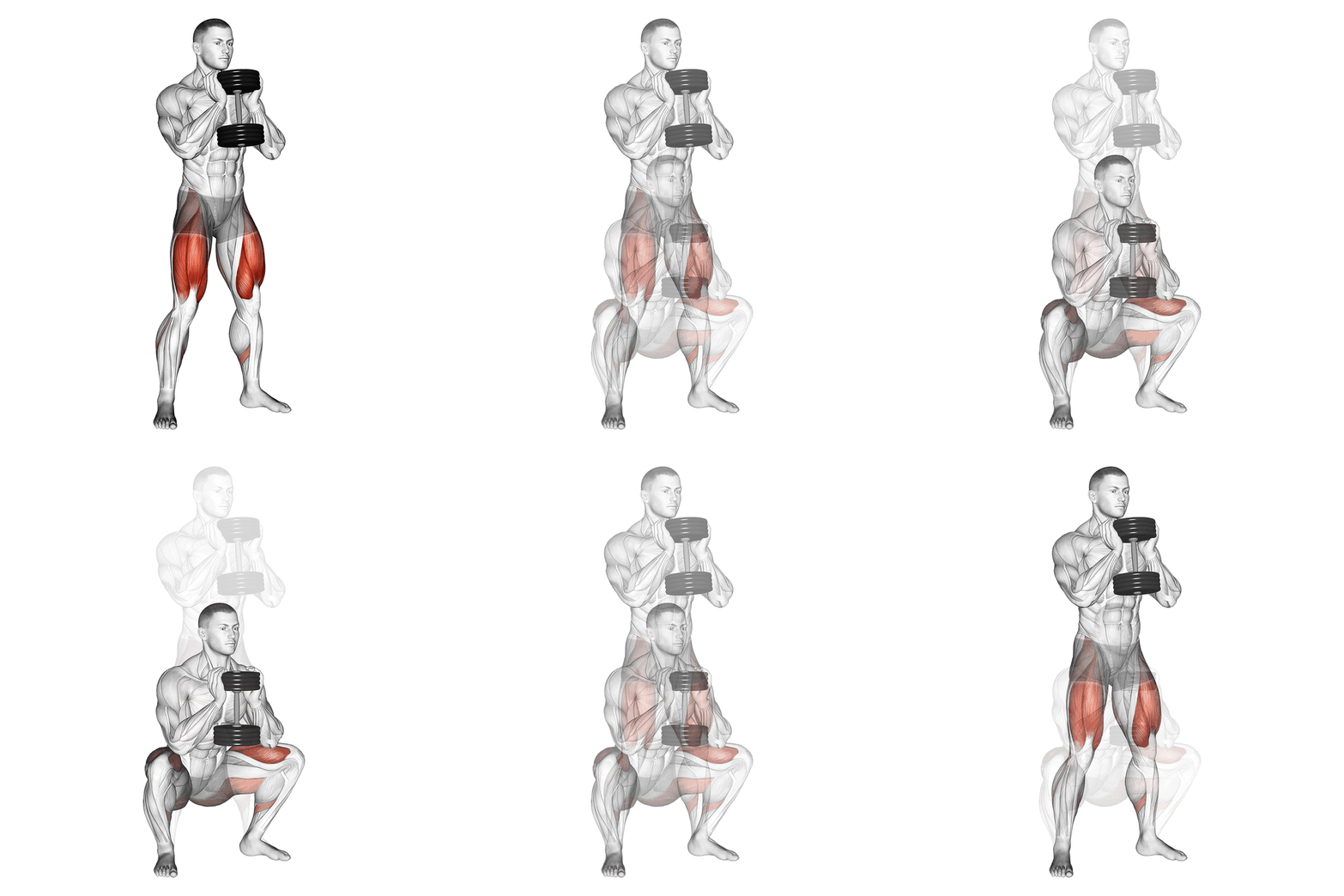
How to do the dumbbell goblet squat
- Step 1: Stand with your feet shoulder-width apart, holding a dumbbell vertically against your chest with both hands.
- Step 2: Keeping your chest up and core engaged, lower your body down into a squat position by pushing your hips back and bending your knees.
- Step 3: Continue lowering until your thighs are parallel to the ground, or as low as you can comfortably go.
- Step 4: Pause for a moment at the bottom, then push through your heels to return to the starting position.
- Step 5: Repeat for the desired number of repetitions.
Form cues
- Hold one end of a dumbbell at your chest with both hands, elbows pointing down.
- Stand with feet shoulder width and toes slightly out.
- Sit down between your heels until your elbows brush the inside of your knees.
- Keep your chest tall and push up through the whole foot.
Common dumbbell goblet squat mistakes
-
Letting the dumbbell drift away from your chest.
Fix: Keep it touching your sternum; the further it moves, the more your back has to work.
-
Rising onto the toes.
Fix: Shift your weight back to the mid-foot and widen your stance a little.
-
Bouncing out of the bottom.
Fix: Control the descent and pause for a second at the bottom.
Sets, reps and programming
Beginners can use it as their main squat for 3 sets of 8 to 15 reps. Once the heaviest dumbbell becomes easy, slow the lowering phase to three seconds, add a pause, or move on to the barbell squat.
| Goal | Sets | Reps | Rest | Effort |
|---|---|---|---|---|
| Strength | 3–5 | 3–6 | 3–5 min | 1–3 reps in reserve |
| Muscle growth | 3–4 | 6–12 | 2–3 min | 1–2 reps in reserve |
| Muscular endurance | 2–3 | 12–20 | 1–2 min | 1–3 reps in reserve |
Ranges follow the ACSM position stand on progression in resistance training. Muscle grows across a wide range of loads when sets end close to failure (Schoenfeld et al., 2017), longer rests between heavy sets support strength and size (Schoenfeld et al., 2016), and stopping a rep or two short of failure works about as well as training to failure (Grgic et al., 2022). Estimate your working weights with the strength calculators.
Variations and progressions
- Kettlebell goblet squat — Same movement with a kettlebell held by the horns.
- Front squat — Harder: the next step for loading the same position.
Dumbbell Goblet Squat alternatives
- Split squat — Harder per leg with the same dumbbell.
- Dumbbell step-up — Single-leg option needing only a box or bench.
More exercises that train the quads as their main target:
-
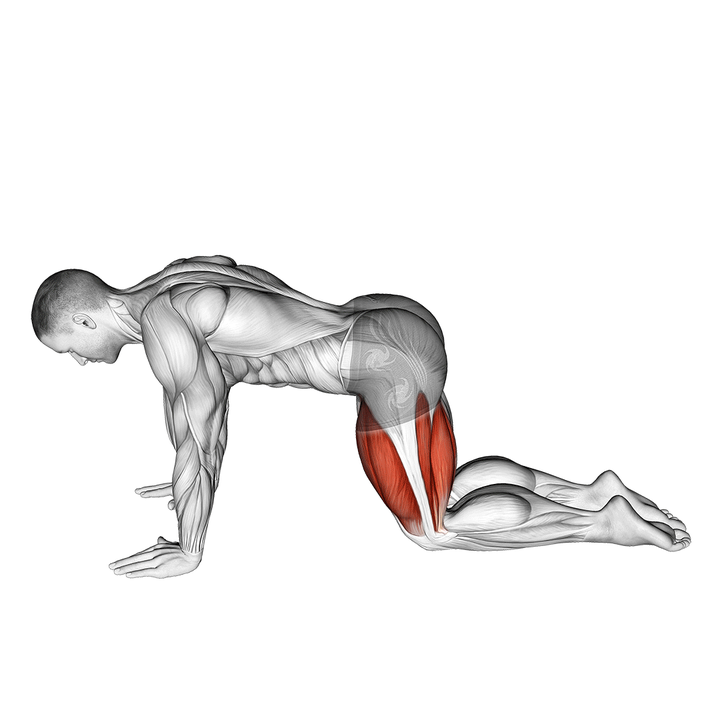
All Fours Squad Stretch
Quads · Body Weight · Beginner stretch -
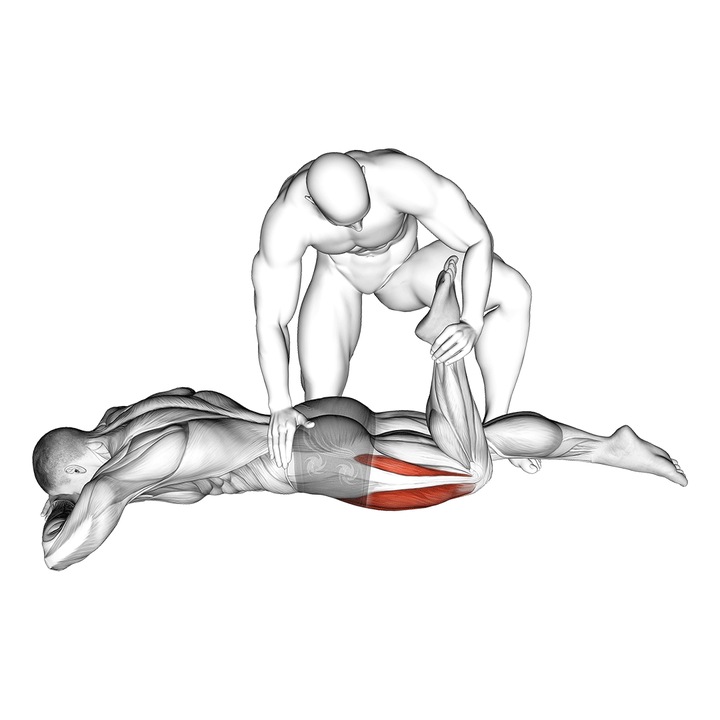
Assisted Prone Lying Quads Stretch
Quads · Assisted · Beginner stretch -
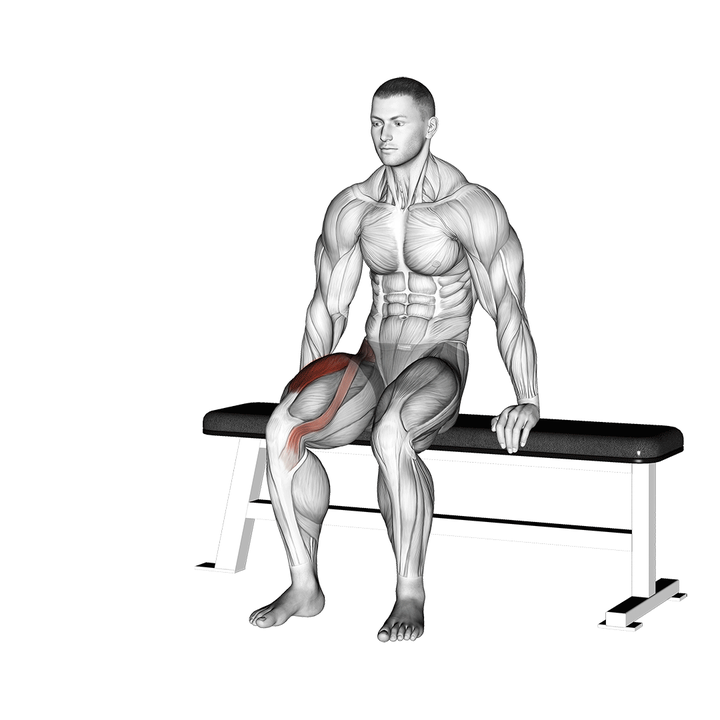
Chair Leg Extended Stretch
Quads · Body Weight · Beginner stretch -
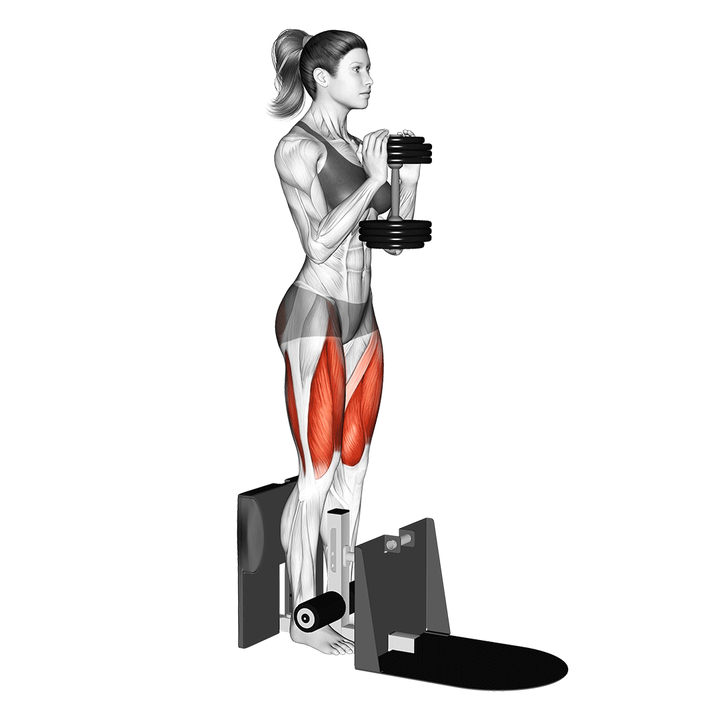
Dumbbell Supported Squat
Quads · Dumbbell · Beginner compound -
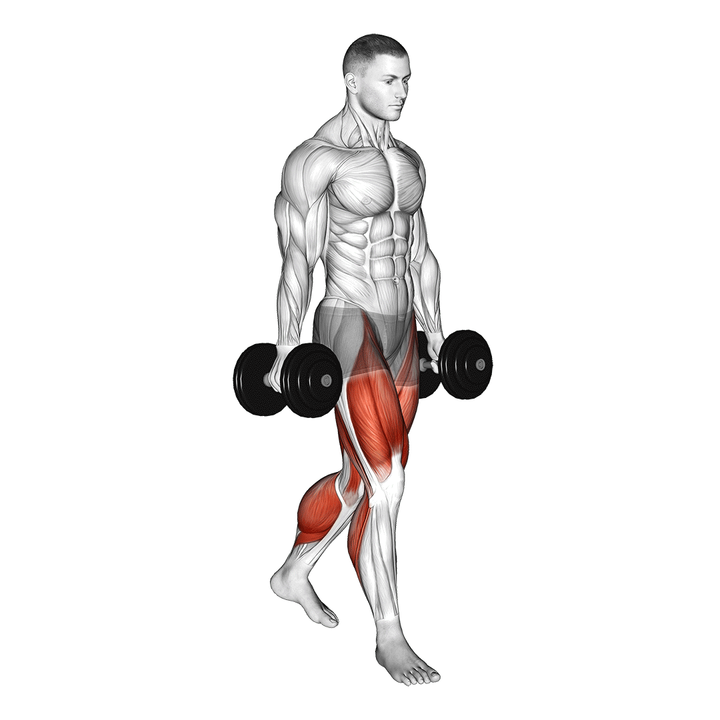
Farmer's Walk
Quads · Dumbbell · Beginner compound -
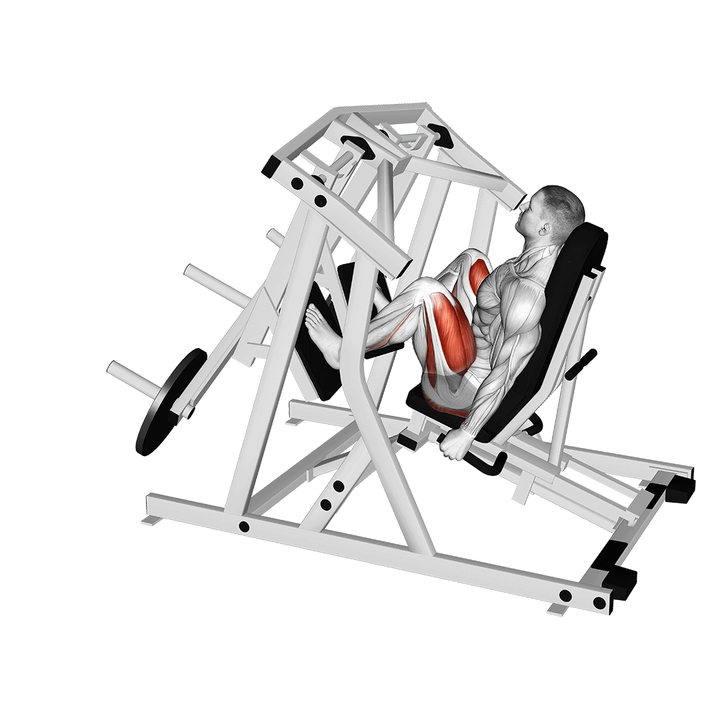
Lever Alternate Leg Press
Quads · Leverage Machine · Beginner compound -
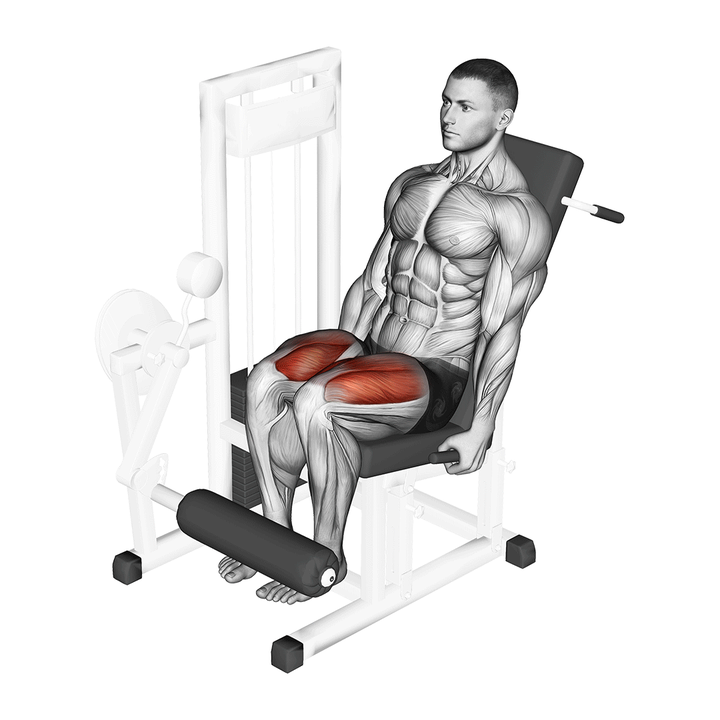
Leg Extension
Quads · Leverage Machine · Beginner compound -
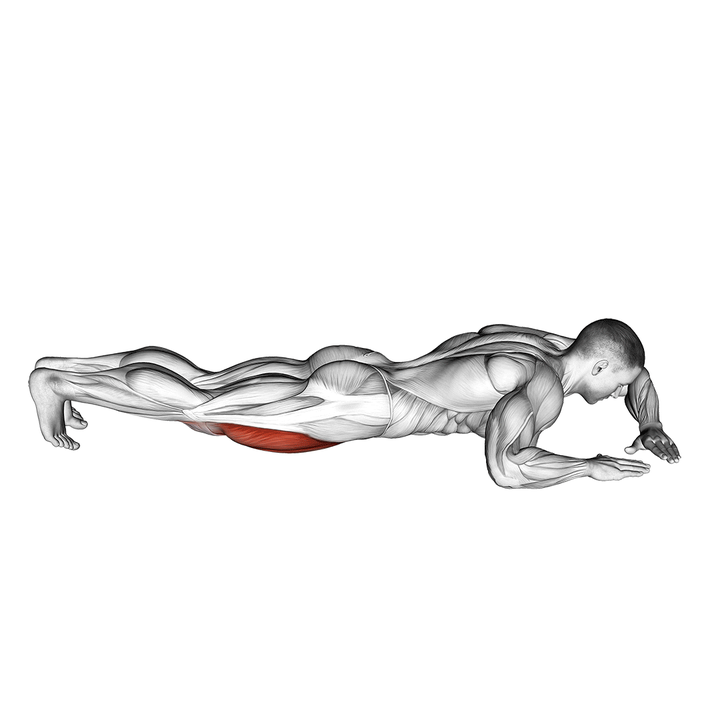
Lying (Side) Quads Stretch
Quads · Body Weight · Beginner stretch
Dumbbell Goblet Squat FAQs
Are goblet squats as good as barbell squats?
For beginners and for higher-rep work, yes. They train the same muscles. Their limit is load: once you can goblet squat the heaviest dumbbell for 15 or more reps, a barbell or single-leg variation will keep you progressing.
What weight should I use for goblet squats?
Choose a dumbbell you can squat for 10 to 12 controlled reps to full depth with one or two reps left in reserve.
More quads exercises
-
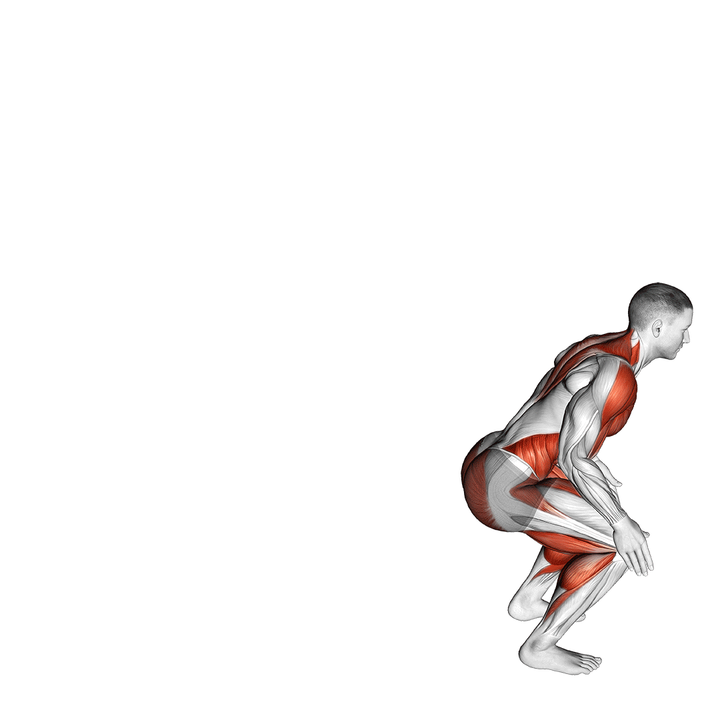
Backward Jump
Quads · Body Weight · Intermediate compound -
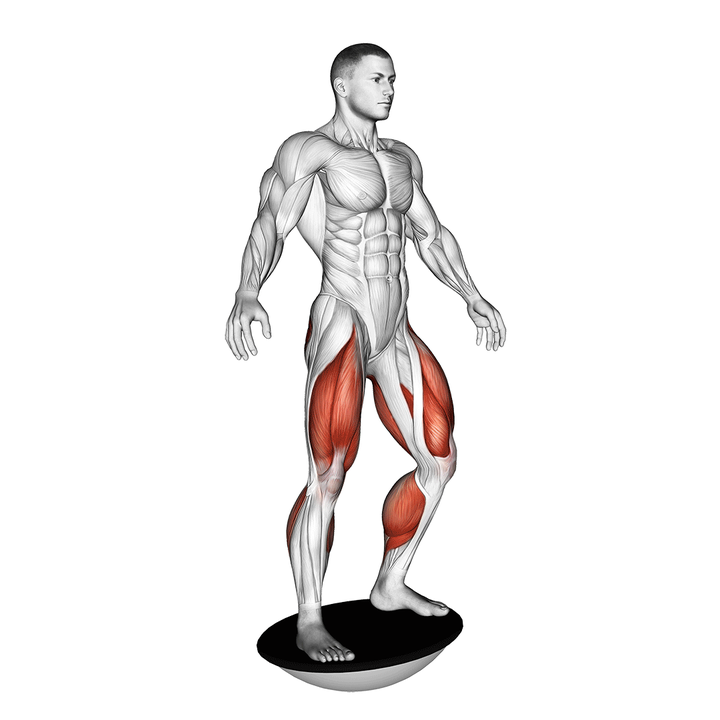
Balance Board
Quads · Body Weight · Intermediate balance -
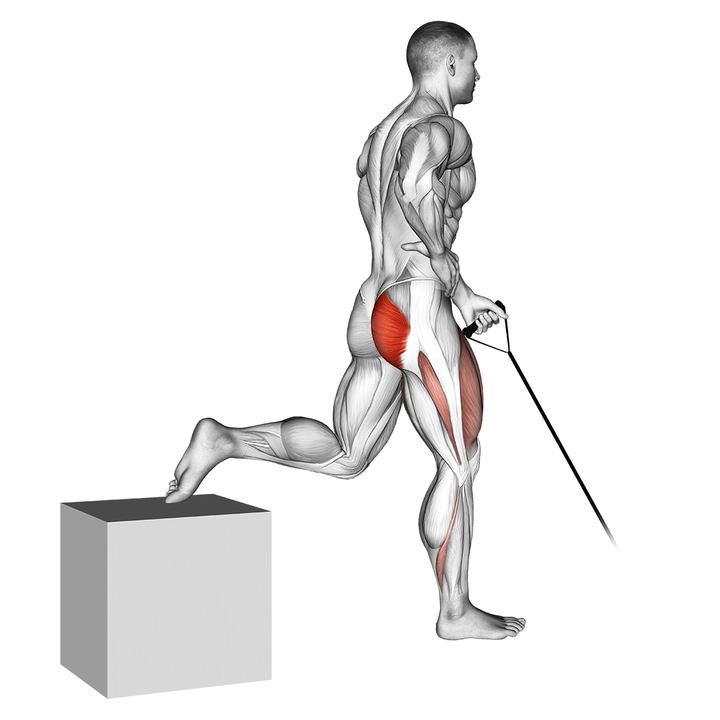
Band One Arm Single Leg Split Squat
Quads · Band · Intermediate compound -
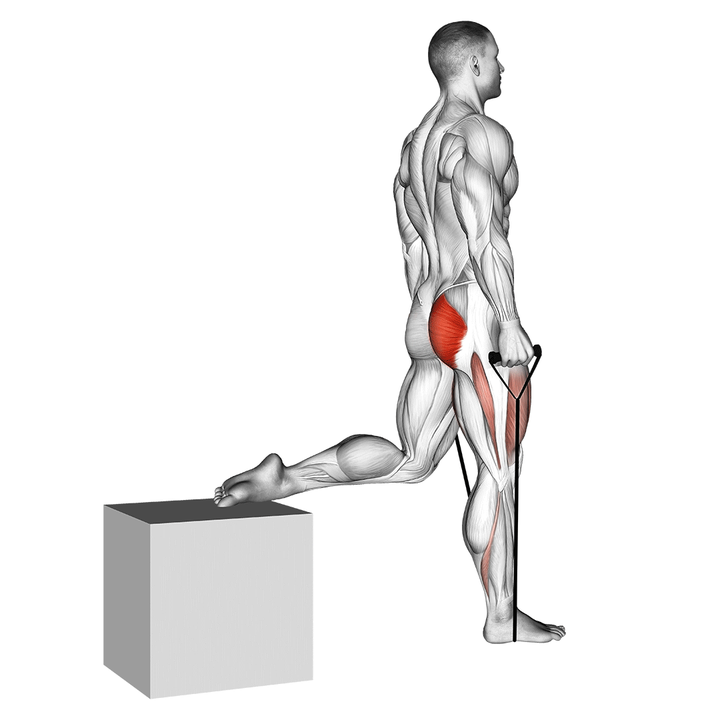
Band Single Leg Split Squat
Quads · Band · Intermediate compound -
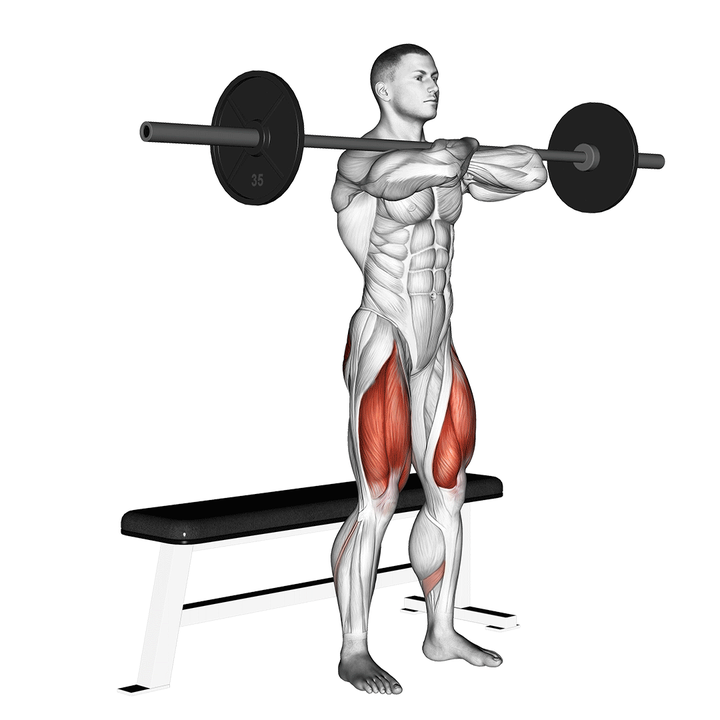
Barbell Bench Front Squat
Quads · Barbell · Intermediate compound -
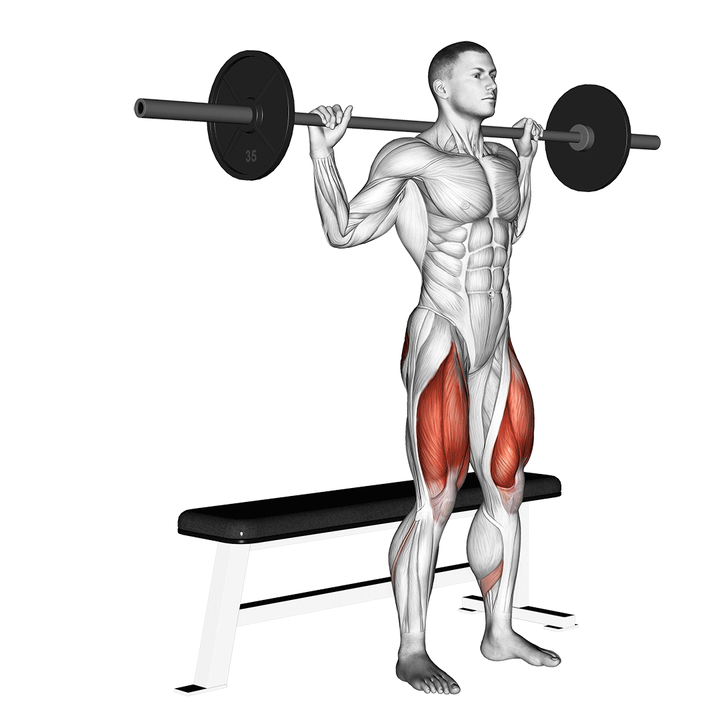
Barbell Bench Squat
Quads · Barbell · Intermediate compound
Sources
- American College of Sports Medicine. Progression models in resistance training for healthy adults. Med Sci Sports Exerc. 2009;41(3):687-708.
- Schoenfeld BJ, Grgic J, Ogborn D, Krieger JW. Strength and hypertrophy adaptations between low- vs. high-load resistance training. J Strength Cond Res. 2017;31(12):3508-3523.
- Schoenfeld BJ, Pope ZK, Benik FM, et al. Longer interset rest periods enhance muscle strength and hypertrophy in resistance-trained men. J Strength Cond Res. 2016;30(7):1805-1812.
- Grgic J, Schoenfeld BJ, Orazem J, Sabol F. Effects of resistance training performed to repetition failure or non-failure on muscular strength and hypertrophy: a systematic review and meta-analysis. J Sport Health Sci. 2022;11(2):202-211.
Step-by-step instructions and demonstration media are from the ExerciseDB exercise dataset; cues, mistakes, programming and FAQs are written by FitStack.
This guide is general fitness information, not medical advice. Stop if an exercise causes pain and speak to a doctor or physiotherapist about injuries or health conditions before starting a new programme.