Exercise guide · Intermediate · Balance
Balance Board: How to Do It & Muscles Worked
The balance board exercise involves standing on a balance board with one foot, engaging the core and lower body muscles to maintain stability and balance. This exercise primarily targets the quads, while also engaging the calves, hamstrings, and glutes as secondary muscles.
- Primary muscles
- Quads
- Secondary muscles
- Calves , Glutes , Hamstrings
- Equipment
- Body Weight
- Level · type
- Intermediate · Balance
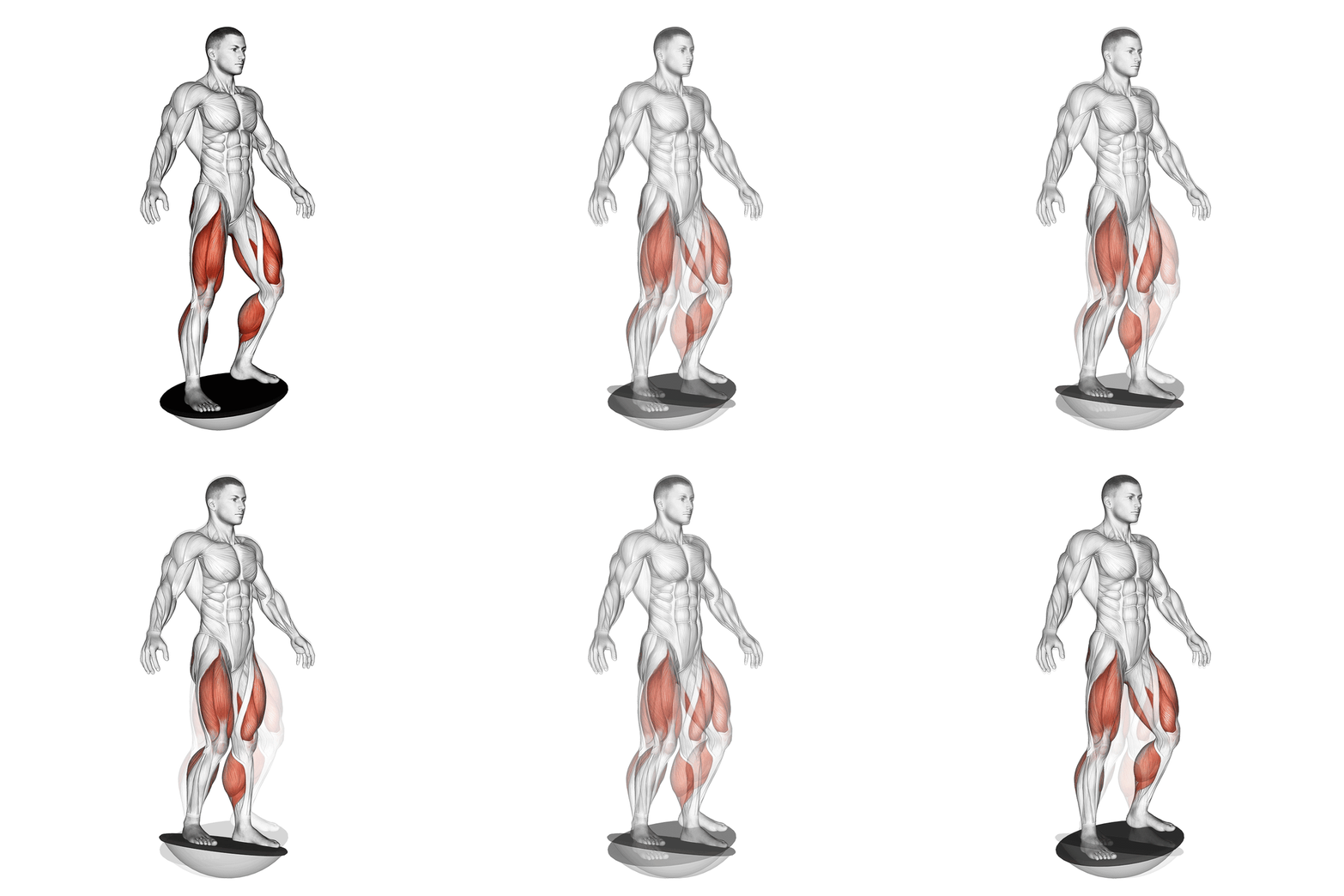
How to do the balance board
- Step 1: Place the balance board on a flat surface.
- Step 2: Step onto the balance board with one foot, ensuring it is centered.
- Step 3: Slowly shift your weight onto the foot on the balance board, keeping your core engaged.
- Step 4: Maintain your balance and stability as you hold the position for a desired amount of time.
- Step 5: Repeat the exercise with the other foot.
Balance Board alternatives
More exercises that train the quads as their main target:
-
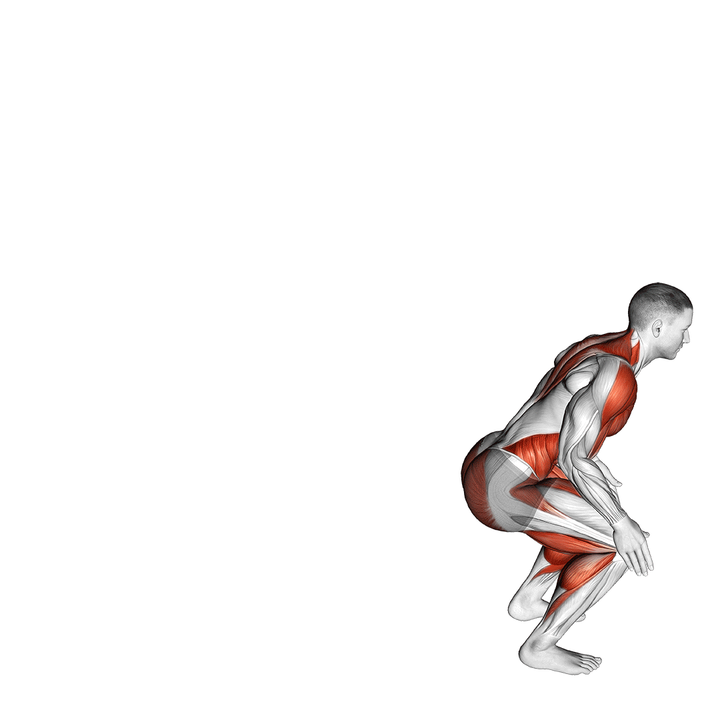
Backward Jump
Quads · Body Weight · Intermediate compound -
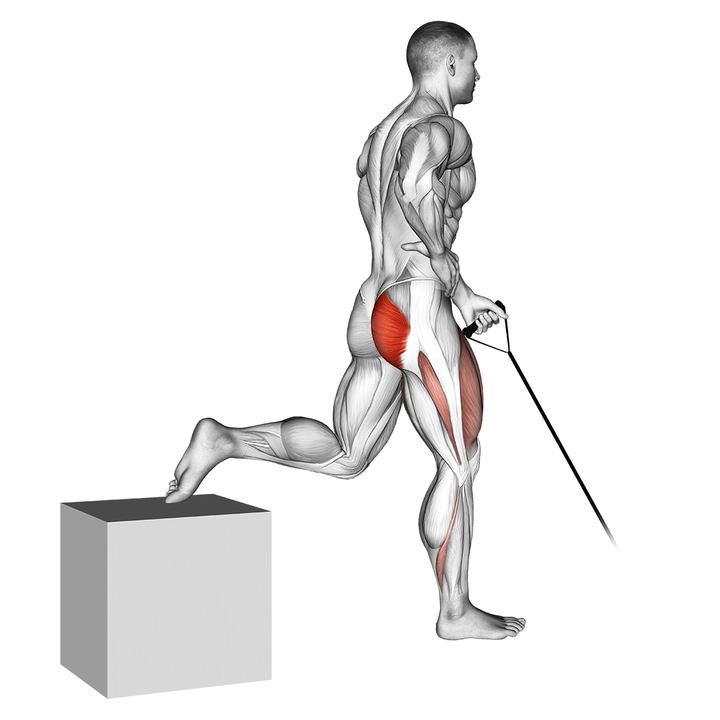
Band One Arm Single Leg Split Squat
Quads · Band · Intermediate compound -
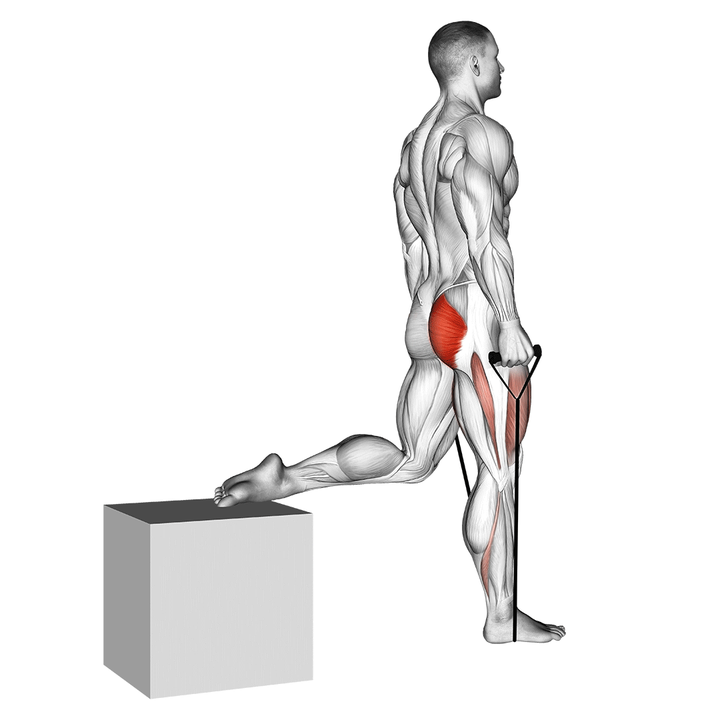
Band Single Leg Split Squat
Quads · Band · Intermediate compound -
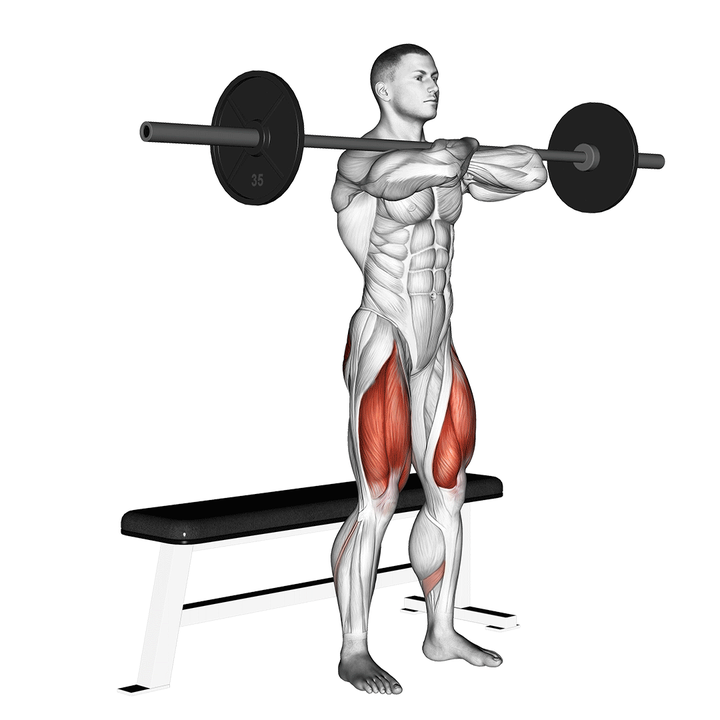
Barbell Bench Front Squat
Quads · Barbell · Intermediate compound -
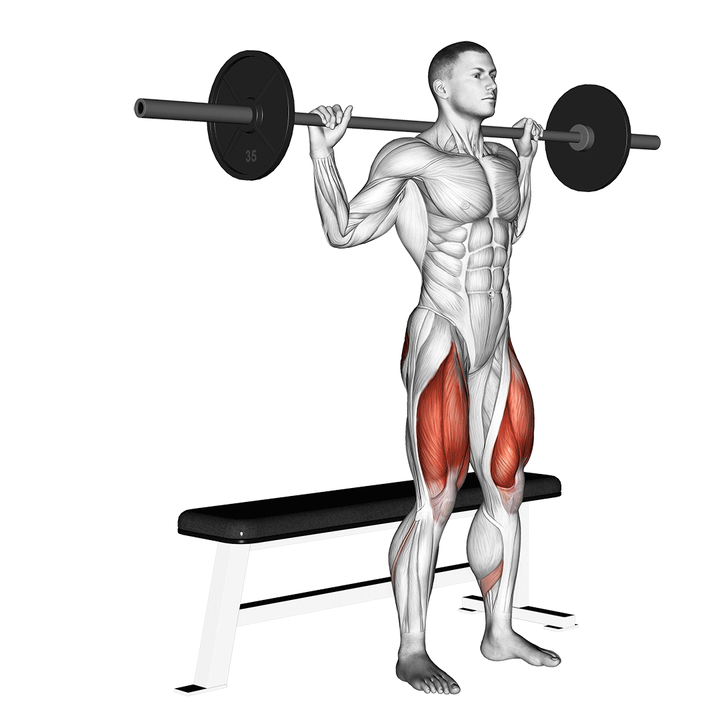
Barbell Bench Squat
Quads · Barbell · Intermediate compound -
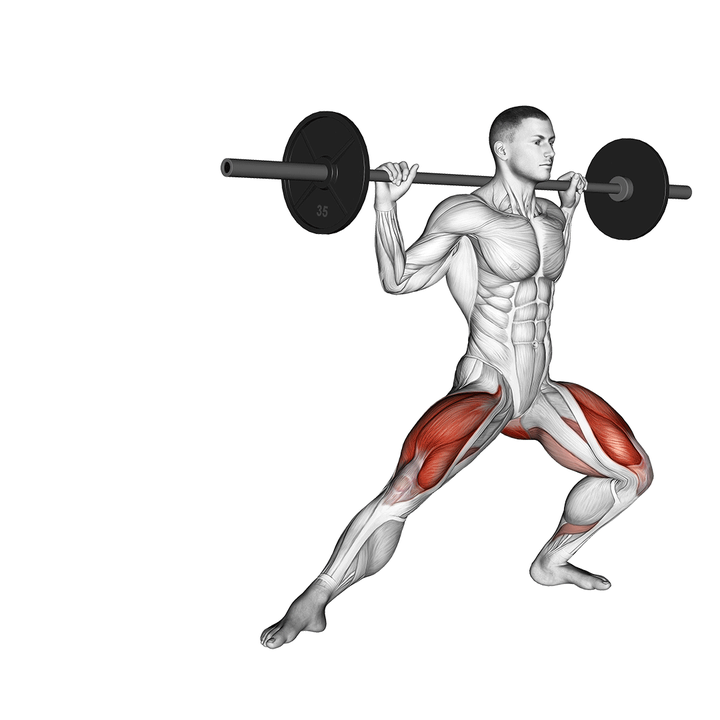
Barbell Side Split Squat
Quads · Barbell · Intermediate compound -
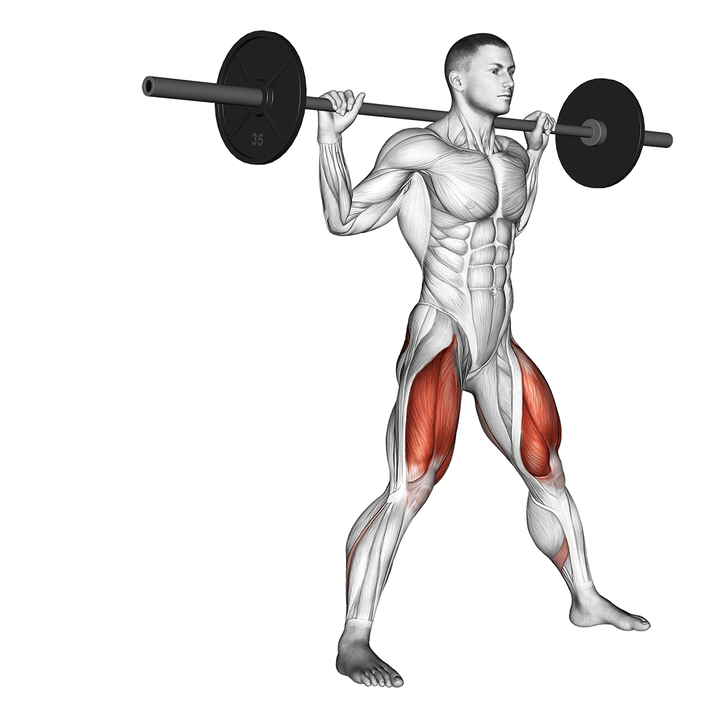
Barbell Side Split Squat
Quads · Barbell · Intermediate compound -
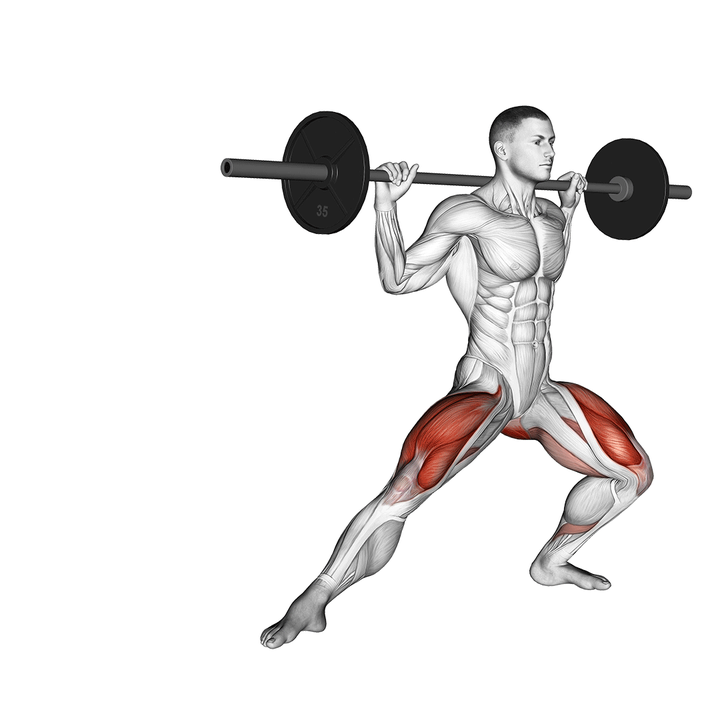
Barbell Side Split Squat Rotated
Quads · Barbell · Intermediate compound
More quads exercises
-
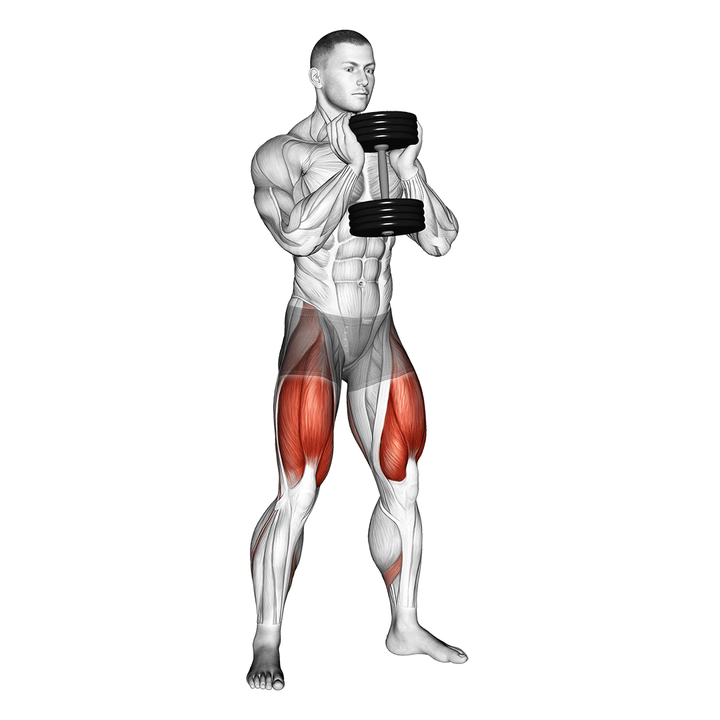
Dumbbell Goblet Squat
Quads · Dumbbell · Beginner compound -
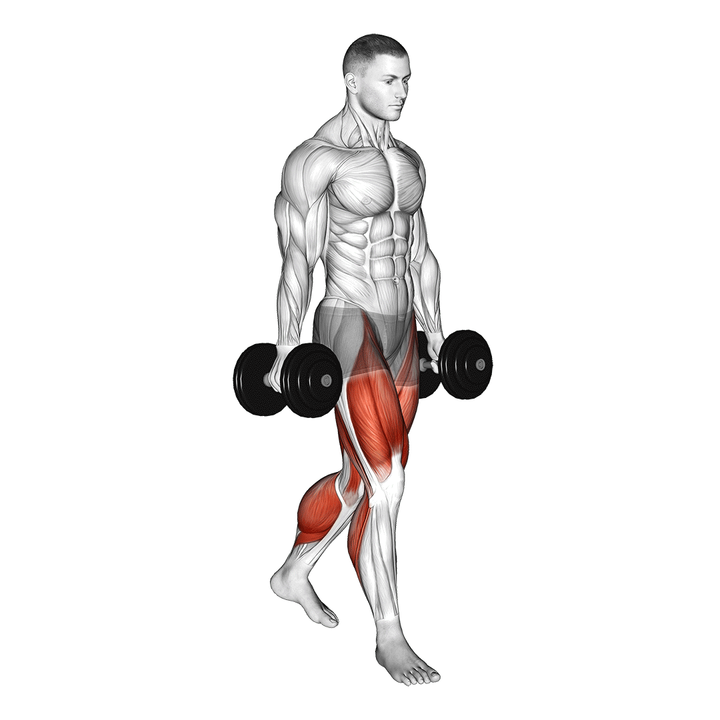
Farmer's Walk
Quads · Dumbbell · Beginner compound -
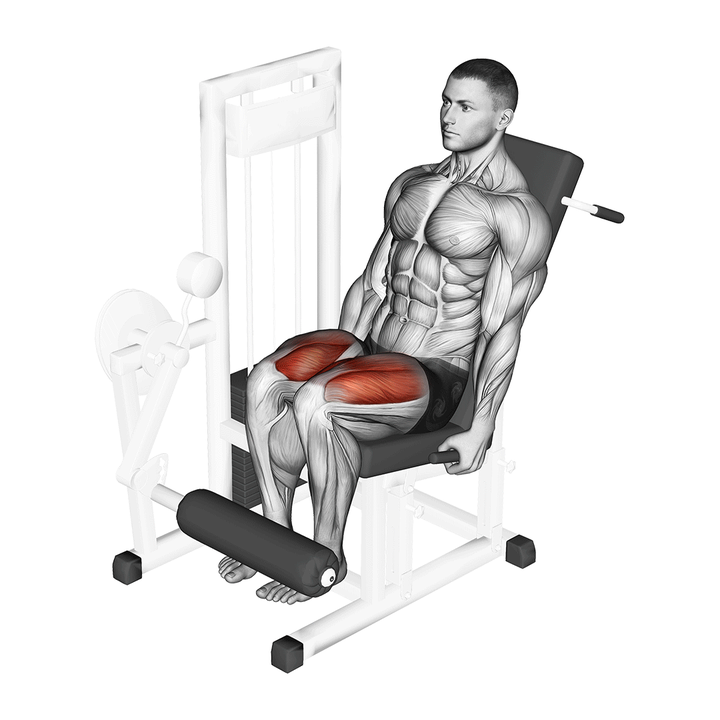
Leg Extension
Quads · Leverage Machine · Beginner compound -
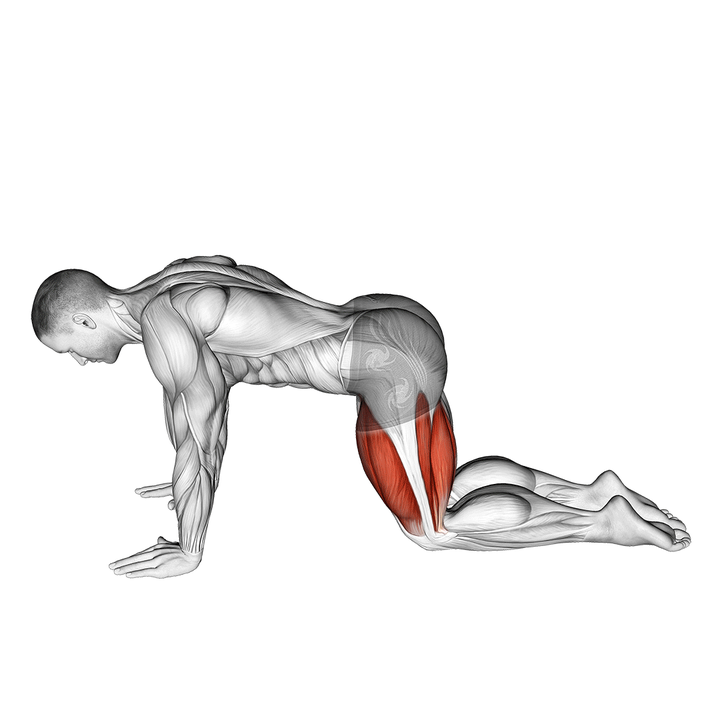
All Fours Squad Stretch
Quads · Body Weight · Beginner stretch -
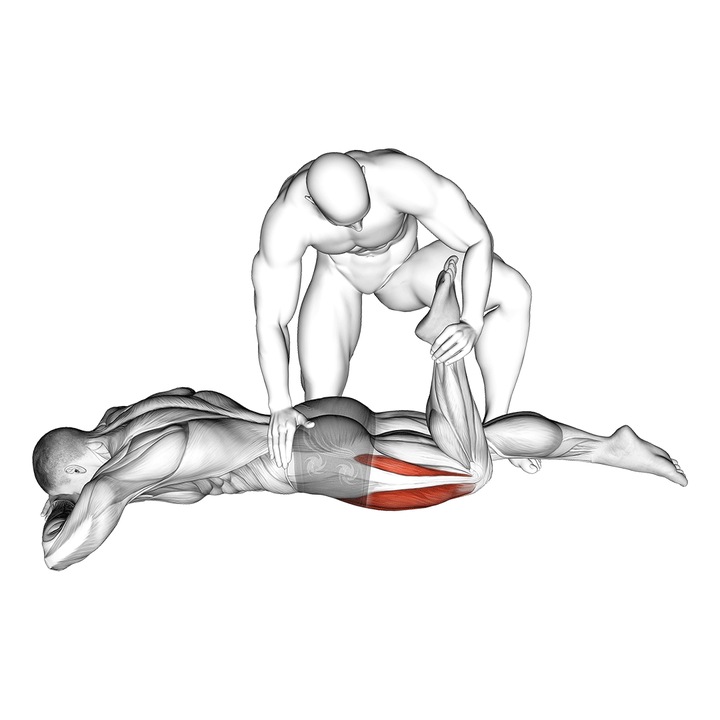
Assisted Prone Lying Quads Stretch
Quads · Assisted · Beginner stretch -
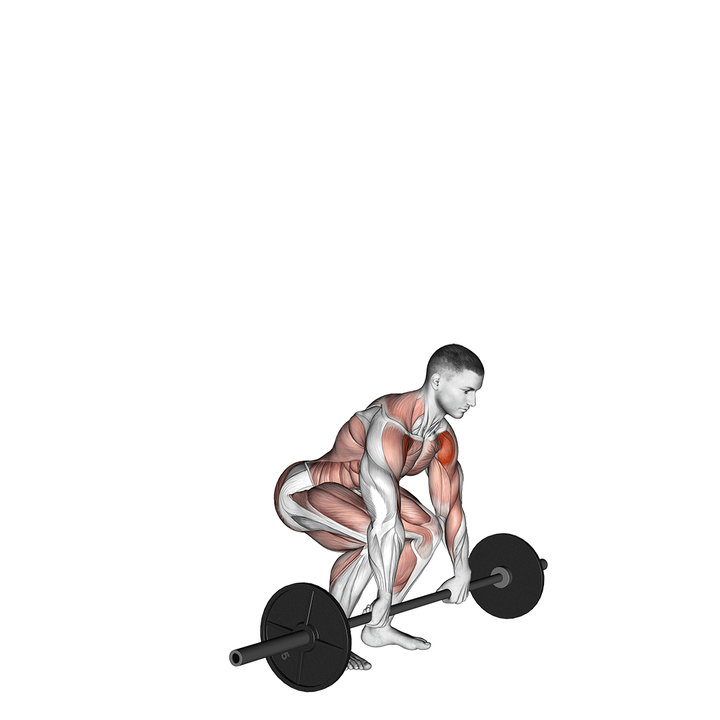
Barbell Clean and Press
Quads · Barbell · Advanced compound
Step-by-step instructions and demonstration media are from the ExerciseDB exercise dataset.
This guide is general fitness information, not medical advice. Stop if an exercise causes pain and speak to a doctor or physiotherapist about injuries or health conditions before starting a new programme.