Exercise guide · Beginner · Stretch
Seated Lower Back Stretch: How to Do It & Muscles Worked
A gentle stretch performed while seated to target the lower back and lats, also engaging the glutes and hamstrings. This exercise is suitable for improving flexibility and relieving tension in the lower back area.
- Primary muscles
- Lats
- Secondary muscles
- Glutes , Hamstrings
- Equipment
- Body Weight
- Level · type
- Beginner · Stretch
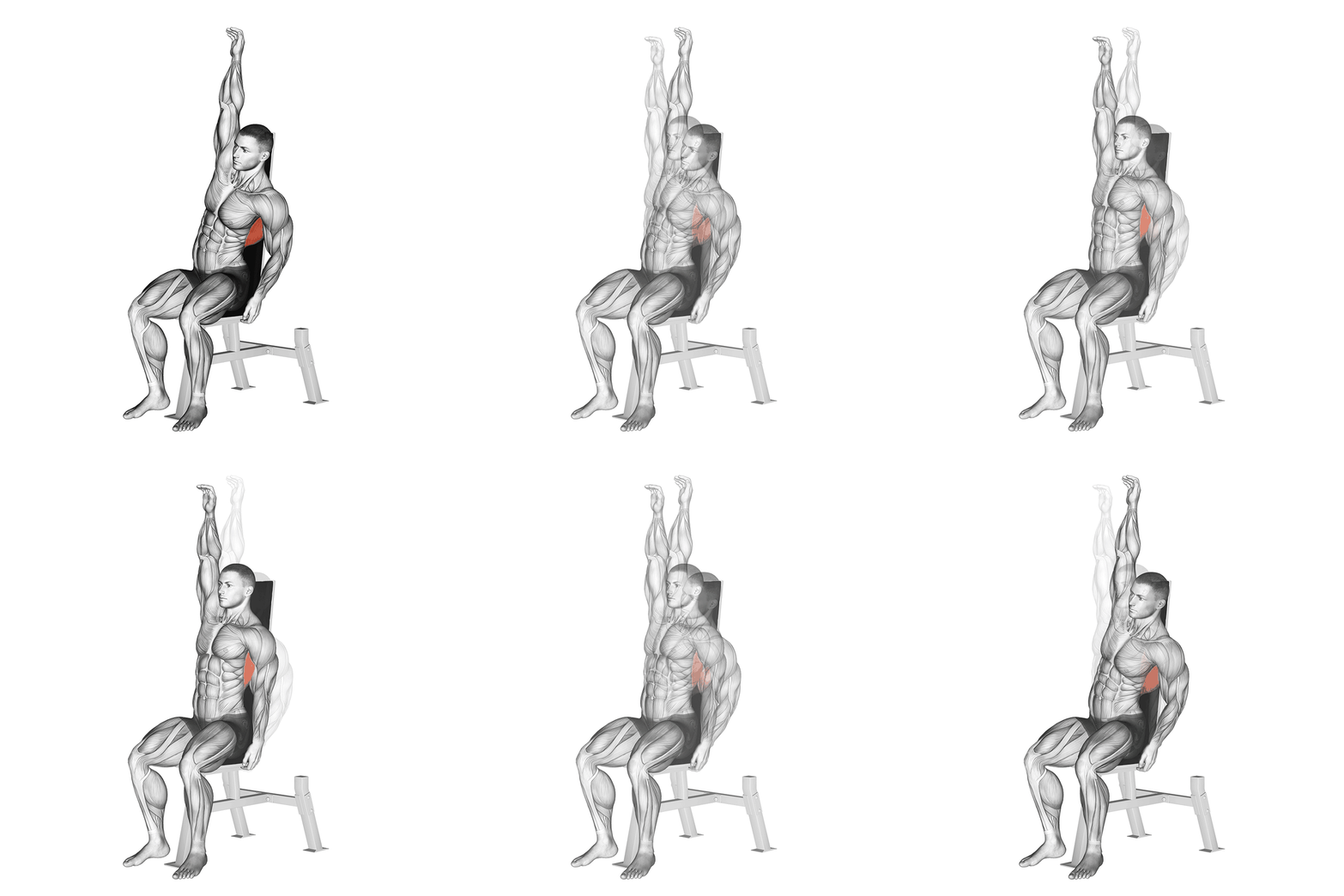
How to do the seated lower back stretch
- Step 1: Sit on the edge of a chair with your feet flat on the ground.
- Step 2: Place your hands on your thighs or on the sides of the chair for support.
- Step 3: Slowly lean forward from your hips, keeping your back straight.
- Step 4: Feel the stretch in your lower back and hold for 20-30 seconds.
- Step 5: Slowly return to the starting position and repeat for the desired number of repetitions.
Seated Lower Back Stretch alternatives
More exercises that train the lats as their main target:
-
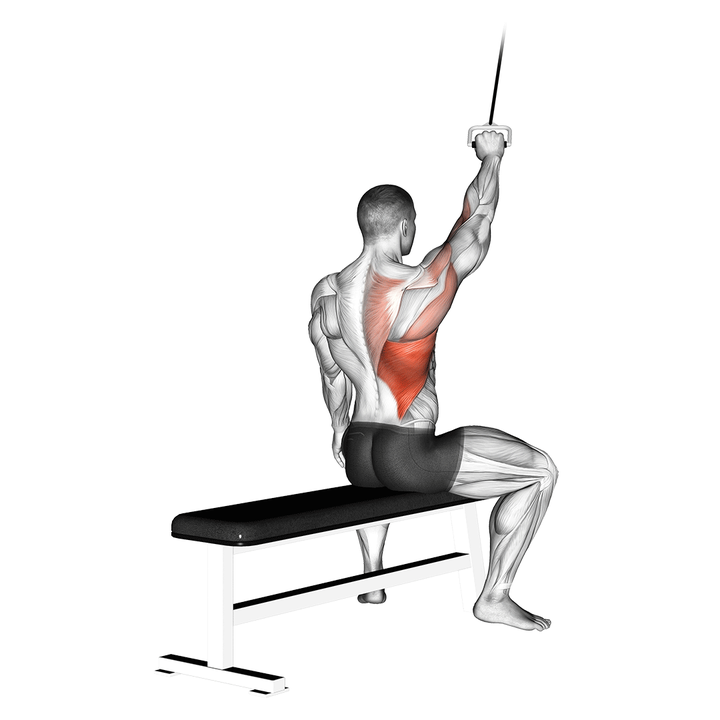
Alternate Lateral Pulldown
Lats · Cable · Beginner compound -
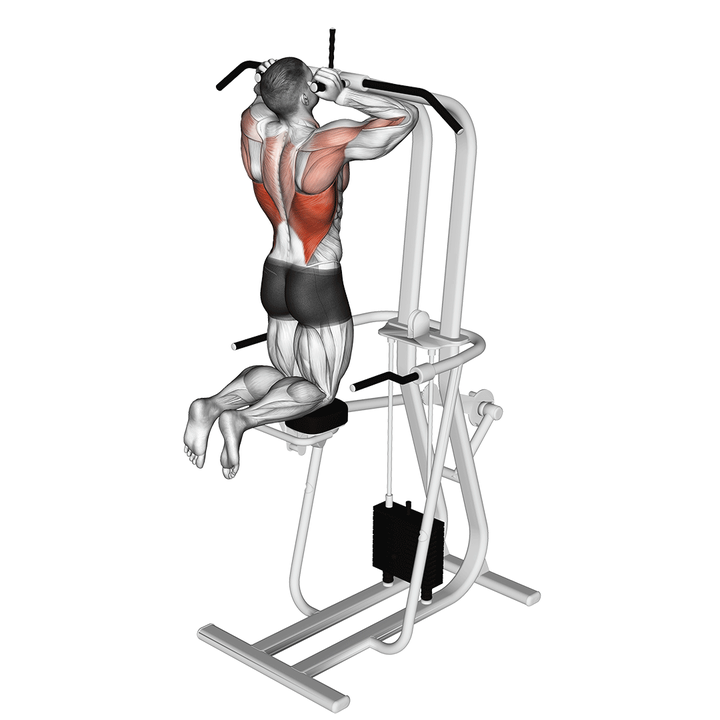
Assisted Parallel Close Grip Pull-Up
Lats · Leverage Machine · Beginner compound -
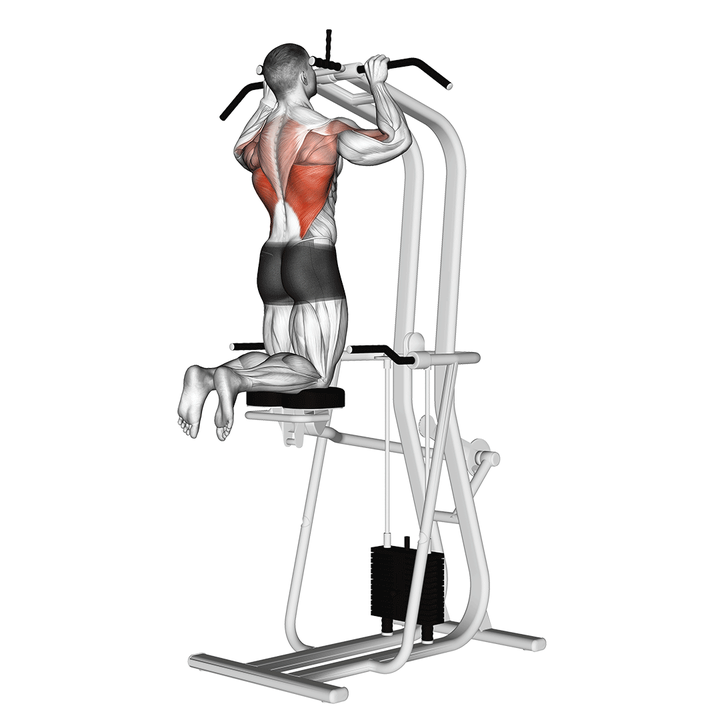
Assisted Pull-Up
Lats · Leverage Machine · Beginner compound -
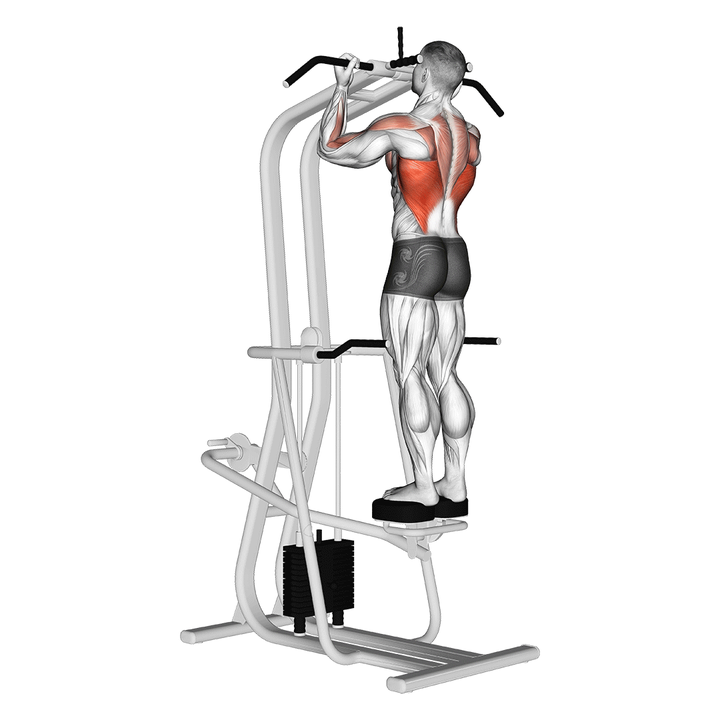
Assisted Standing Chin-Up
Lats · Leverage Machine · Beginner compound -
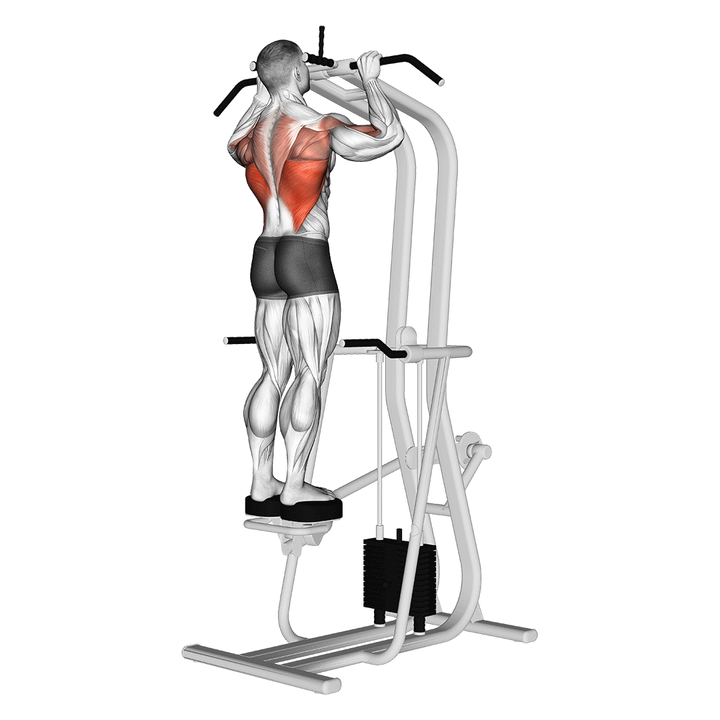
Assisted Standing Pull-Up
Lats · Leverage Machine · Beginner compound -
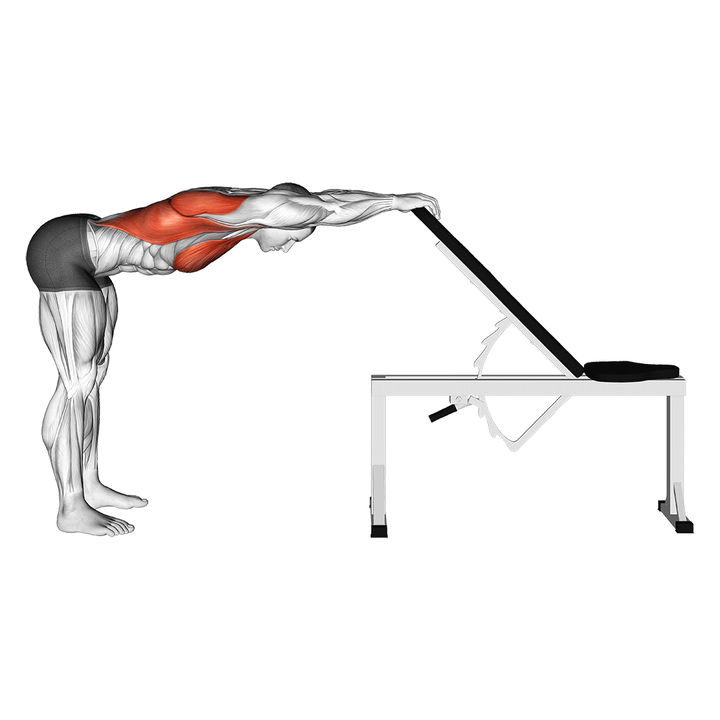
Back Pec Stretch
Lats · Body Weight · Beginner stretch -
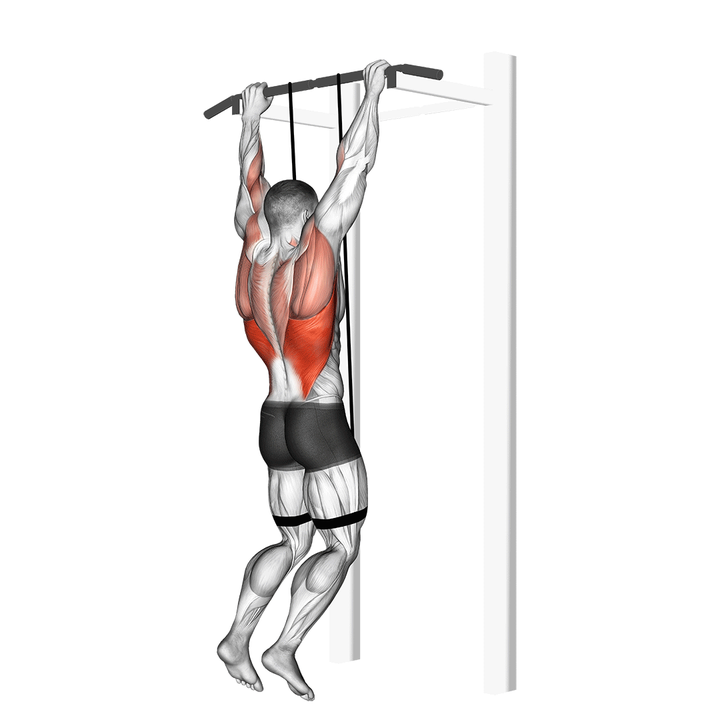
Band Assisted Pull-Up
Lats · Band · Beginner compound -
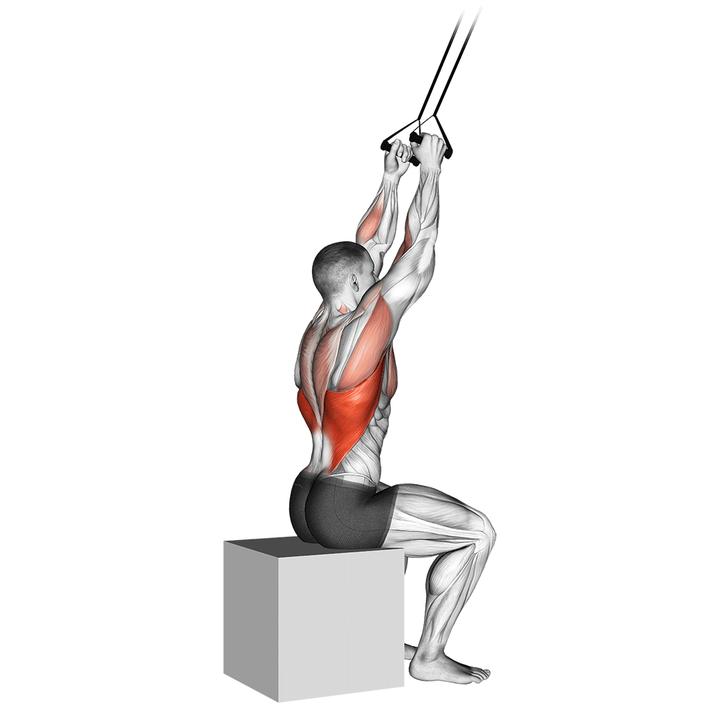
Band Close-Grip Pulldown
Lats · Band · Beginner compound
More lats exercises
-
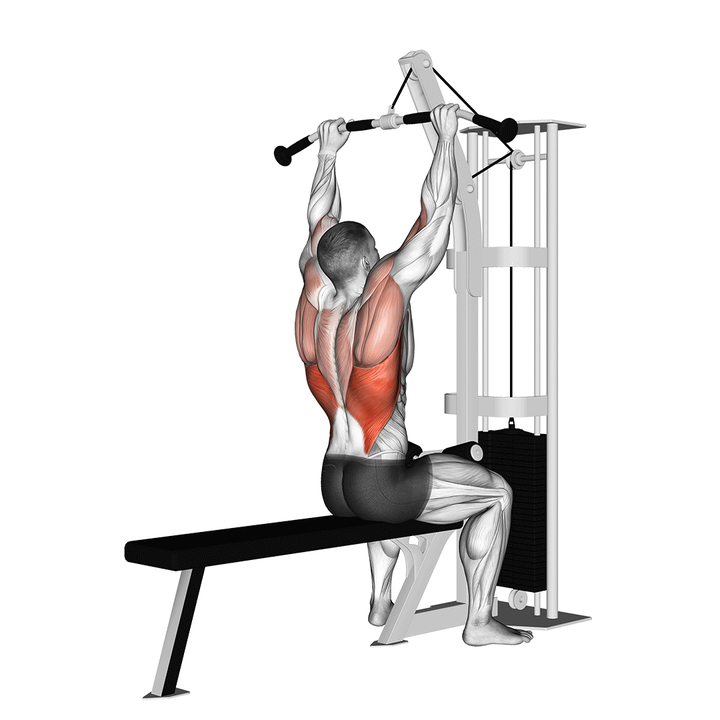
Lat Pulldown
Lats · Cable · Beginner compound -
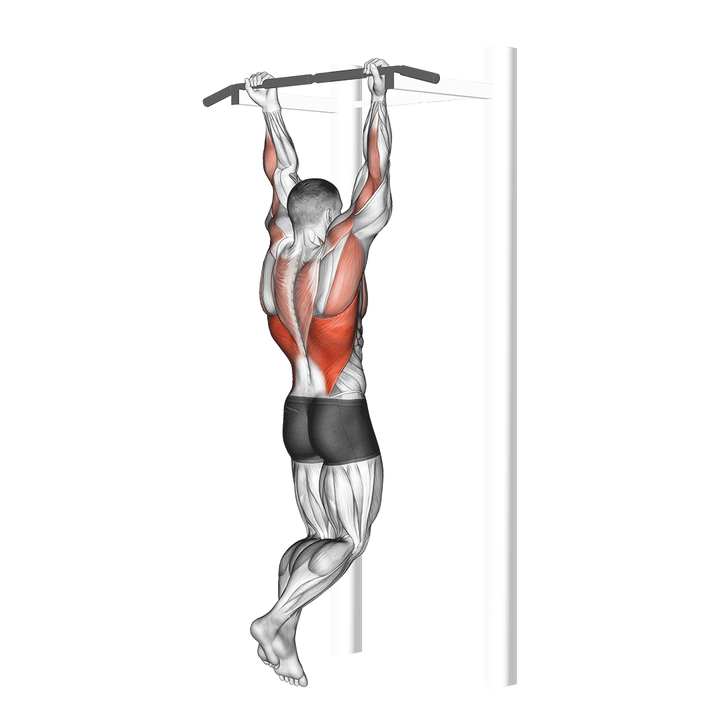
Chin-Up
Lats · Body Weight · Intermediate compound -
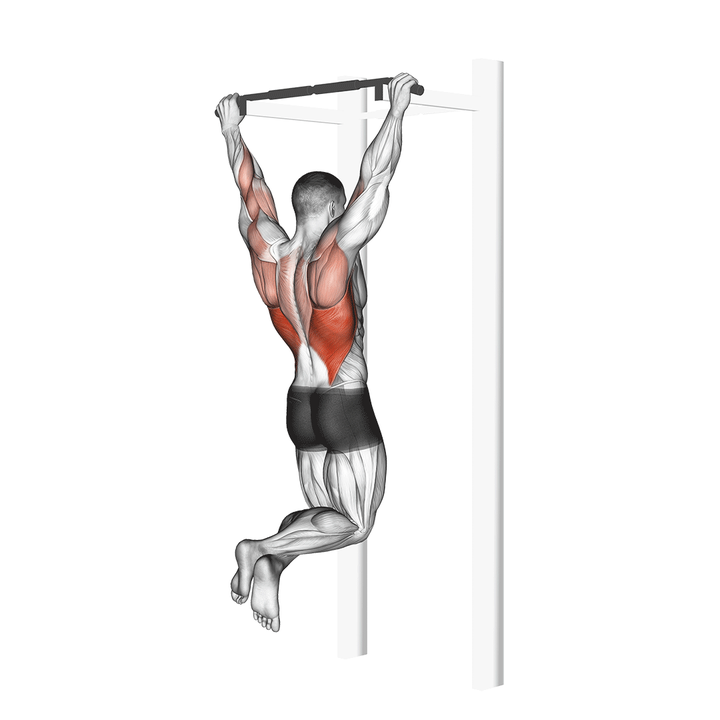
Pull-Up
Lats · Body Weight · Advanced compound -
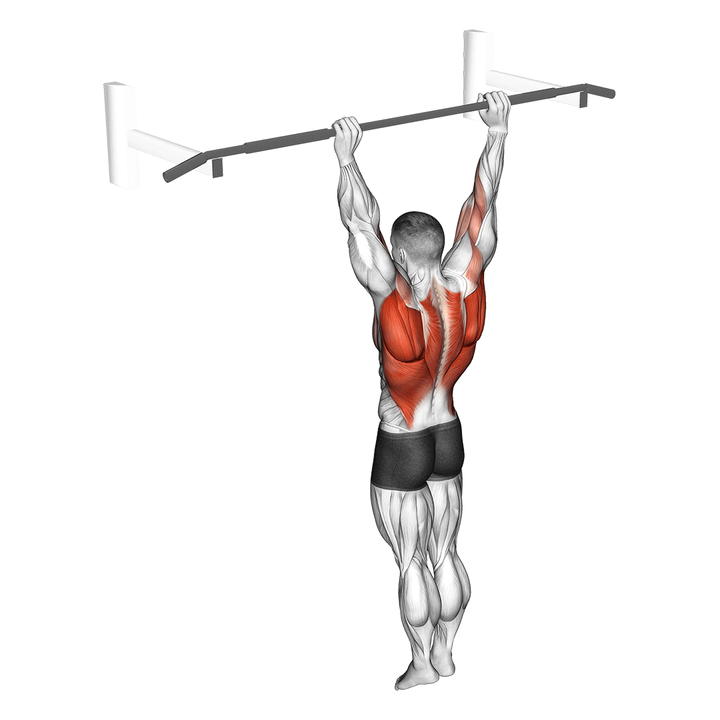
Archer Pull Up
Lats · Body Weight · Advanced compound -
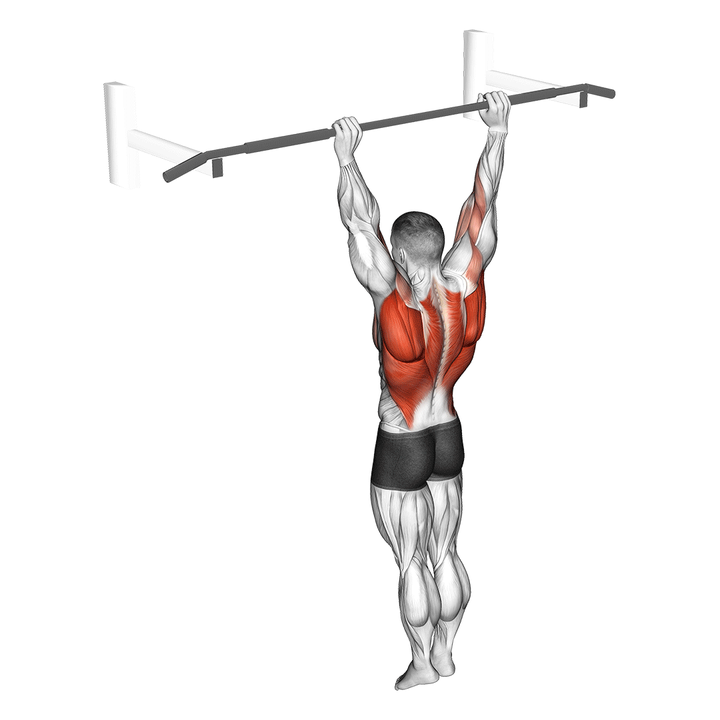
Archer Pull Up - Complex Variation
Lats · Body Weight · Advanced compound -
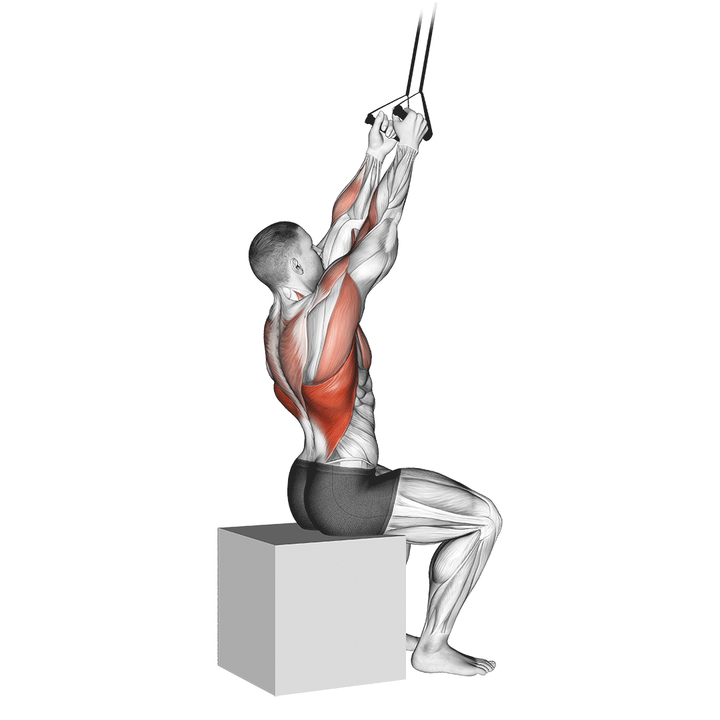
Band Fixed Back Close Grip Pulldown
Lats · Band · Beginner compound
Step-by-step instructions and demonstration media are from the ExerciseDB exercise dataset.
This guide is general fitness information, not medical advice. Stop if an exercise causes pain and speak to a doctor or physiotherapist about injuries or health conditions before starting a new programme.