Exercise guide · Advanced · Compound
Pull-Up: How to Do It & Muscles Worked
The pull-up hangs from a bar with an overhand grip and pulls your chin over it. It is the best bodyweight exercise for the lats and upper back, and the biceps and forearms work hard too.
- Primary muscles
- Lats
- Equipment
- Body Weight
- Level · type
- Advanced · Compound
Written by the FitStack training team. Last reviewed .
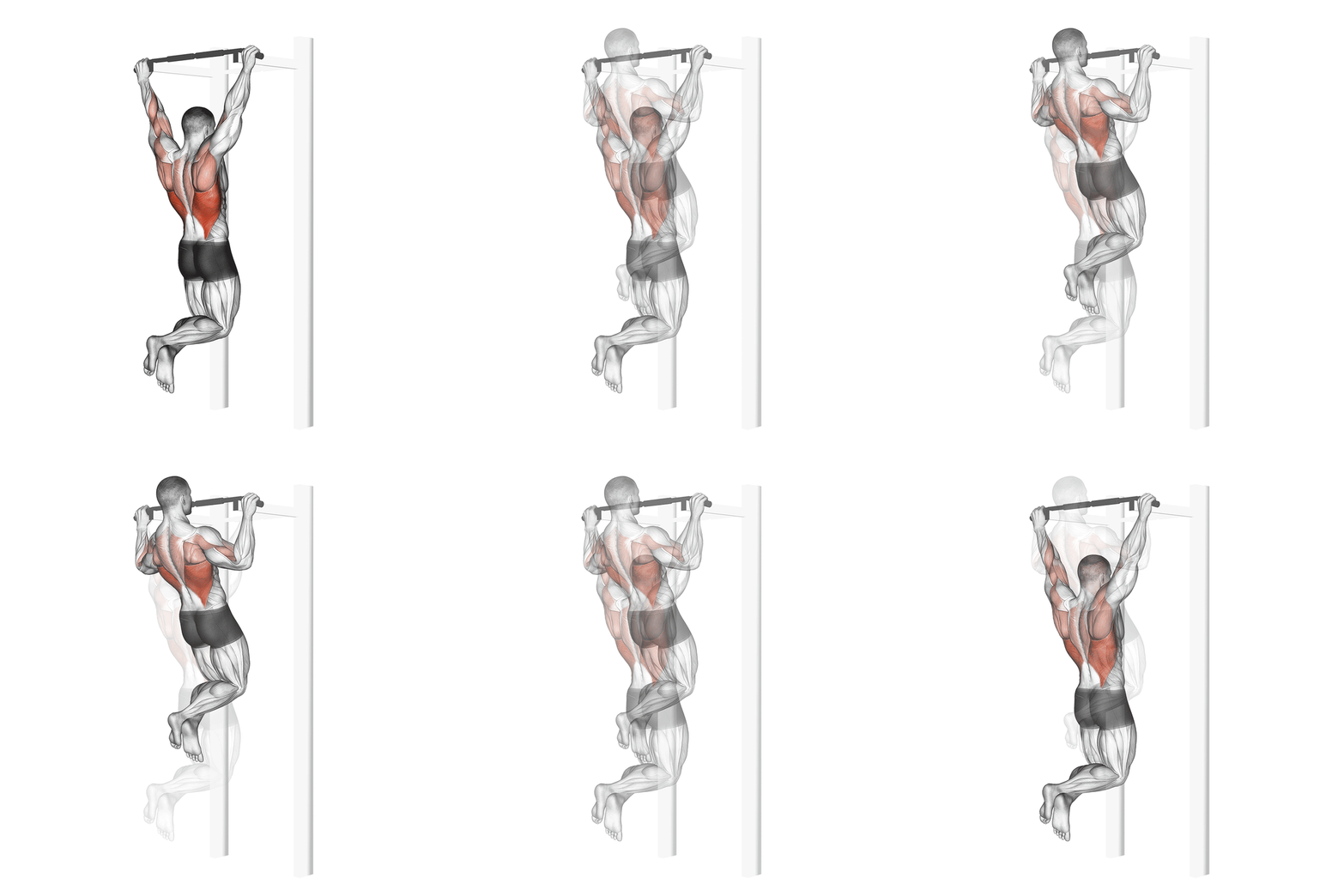
How to do the pull-up
- Step 1: Hang from a pull-up bar with your palms facing away from you and your arms fully extended.
- Step 2: Engage your core and squeeze your shoulder blades together.
- Step 3: Pull your body up towards the bar by bending your elbows and bringing your chest towards the bar.
- Step 4: Pause at the top of the movement, then slowly lower your body back down to the starting position.
- Step 5: Repeat for the desired number of repetitions.
Form cues
- Hang with hands slightly wider than your shoulders, palms facing away, arms straight.
- Start by pulling your shoulder blades down, then drive your elbows toward your hips.
- Pull until your chin clears the bar, keeping your legs still.
- Lower all the way to straight arms under control.
Common pull-up mistakes
-
Kipping or swinging to get over the bar.
Fix: Squeeze your glutes, keep your legs together slightly in front and pull strictly.
-
Half reps from a bent-arm hang.
Fix: Return to a full dead hang between reps.
-
Craning the neck to reach the bar.
Fix: Lead with the chest; the chin clears because the body rises.
Sets, reps and programming
If you can do 5 or more, train 3 or 4 sets of as many good reps as you can, leaving one in reserve, and add weight once you reach 10 to 12. If you cannot do one yet, use band-assisted pull-ups, slow negatives or the lat pulldown.
| Goal | Sets | Reps | Rest | Effort |
|---|---|---|---|---|
| Strength | 3–5 | 3–6 | 3–5 min | 1–3 reps in reserve |
| Muscle growth | 3–4 | 6–12 | 2–3 min | 1–2 reps in reserve |
| Muscular endurance | 2–3 | 12–20 | 1–2 min | 1–3 reps in reserve |
Ranges follow the ACSM position stand on progression in resistance training. Muscle grows across a wide range of loads when sets end close to failure (Schoenfeld et al., 2017), longer rests between heavy sets support strength and size (Schoenfeld et al., 2016), and stopping a rep or two short of failure works about as well as training to failure (Grgic et al., 2022). Estimate your working weights with the strength calculators.
Variations and progressions
- Band-assisted pull-up — Easier: a band takes some bodyweight.
- Chin-up — Palms toward you; more biceps.
- Weighted pull-up — Harder: add a belt or vest.
Pull-Up alternatives
- Lat pulldown — Same movement on a machine; any load.
- Inverted row — Easier bodyweight pull.
More exercises that train the lats as their main target:
-
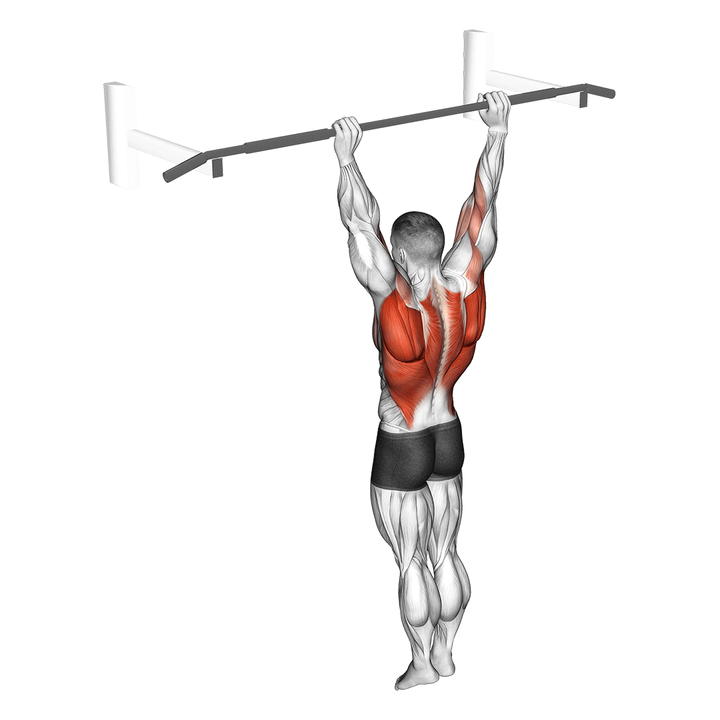
Archer Pull Up
Lats · Body Weight · Advanced compound -
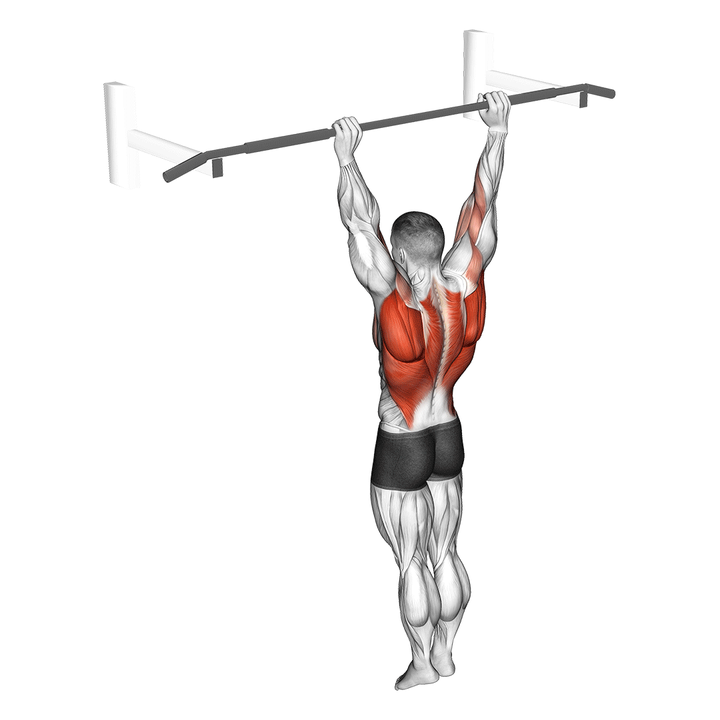
Archer Pull Up - Complex Variation
Lats · Body Weight · Advanced compound -
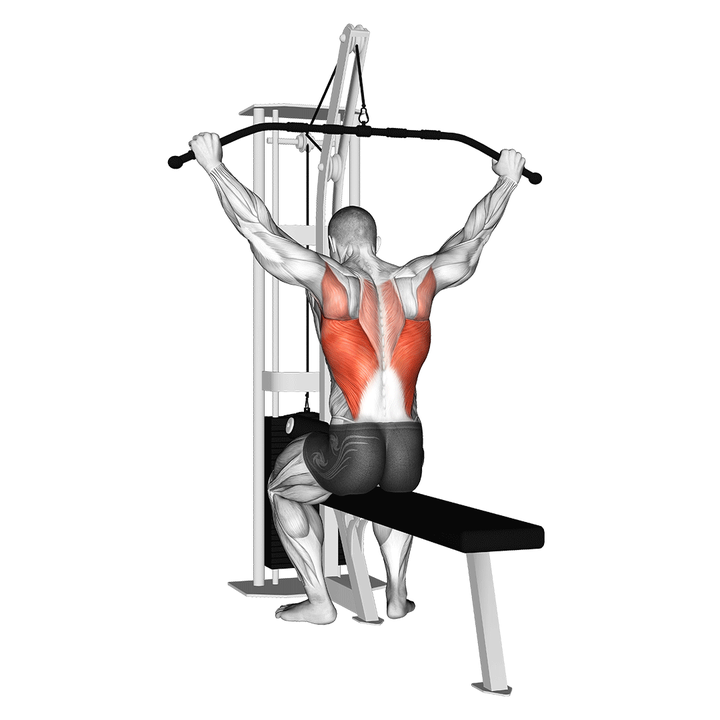
Cable Wide Grip Rear Pulldown Behind Neck
Lats · Cable · Advanced compound -
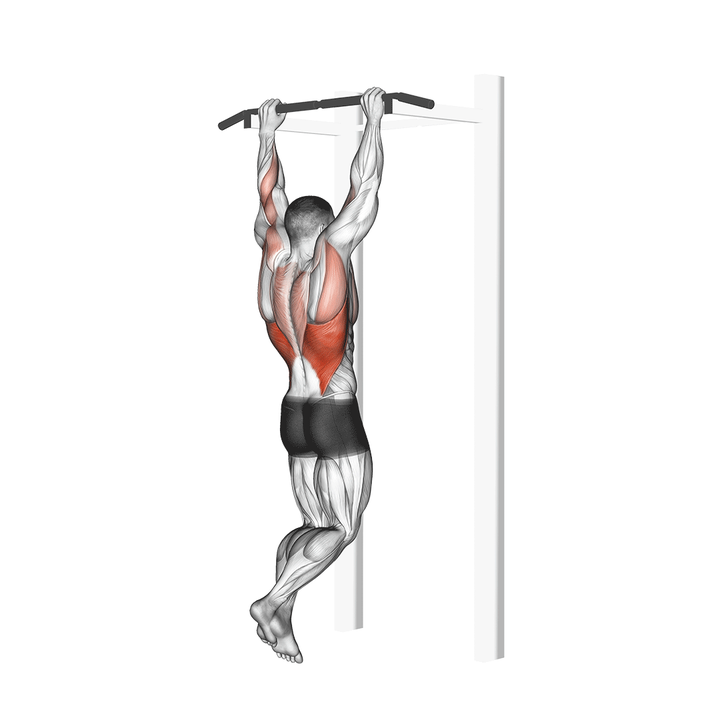
Gironda Sternum Chin
Lats · Body Weight · Advanced compound -
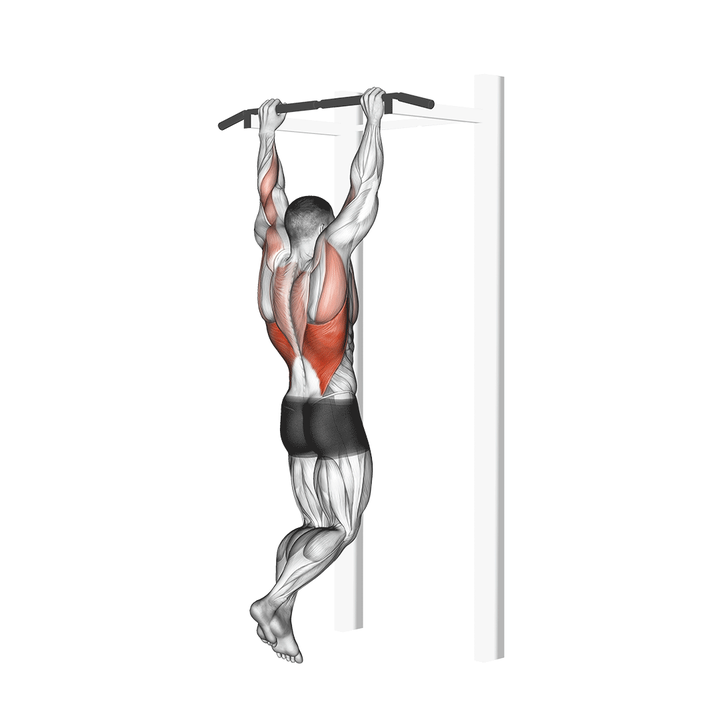
Gironda Sternum Chin - Elite Variation
Lats · Body Weight · Advanced compound -
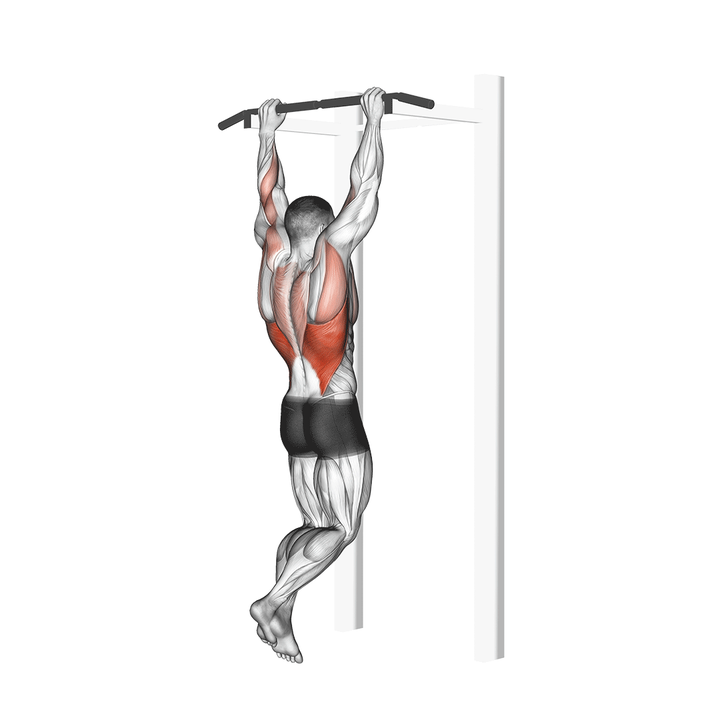
Gironda Sternum Chin - Twisted Variation
Lats · Body Weight · Advanced compound -
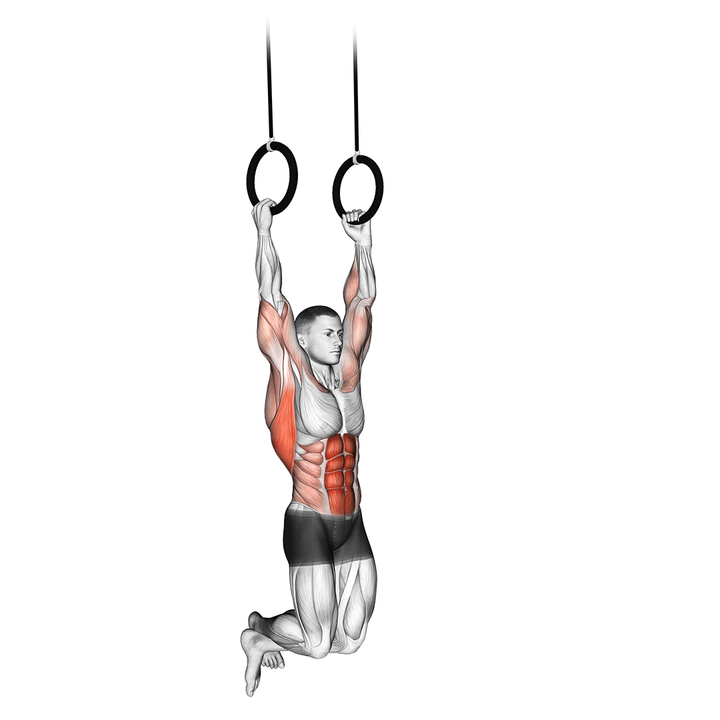
Kipping Muscle Up
Lats · Body Weight · Advanced compound -
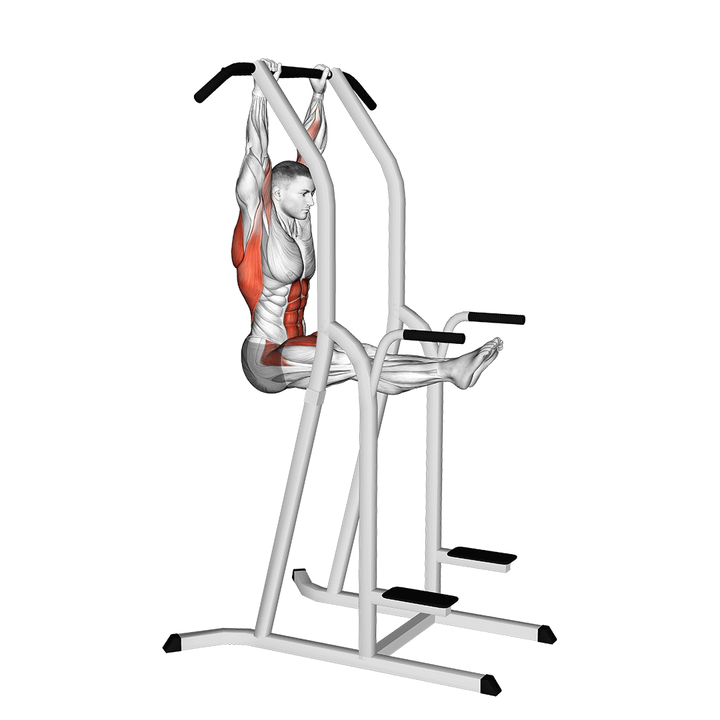
L-Pull-Up
Lats · Body Weight · Advanced compound
Pull-Up FAQs
Pull-up vs chin-up: what is the difference?
A pull-up uses an overhand grip; a chin-up uses an underhand grip, which brings in more biceps and is usually a little easier. Both train the lats well.
How do I get my first pull-up?
Practise three times a week with slow negatives (jump to the top and take 3 to 5 seconds to lower), band-assisted reps and lat pulldowns. Losing body fat also makes the first rep come sooner.
More lats exercises
-
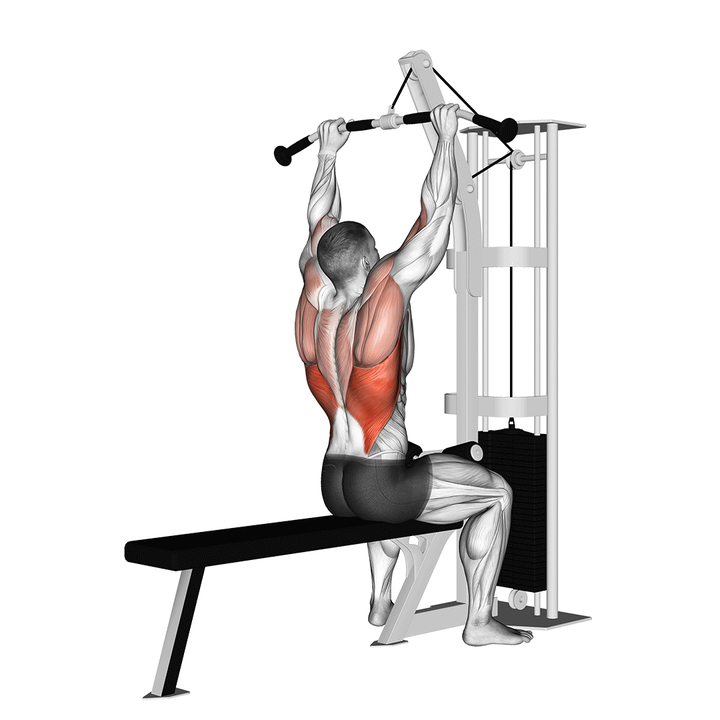
Lat Pulldown
Lats · Cable · Beginner compound -
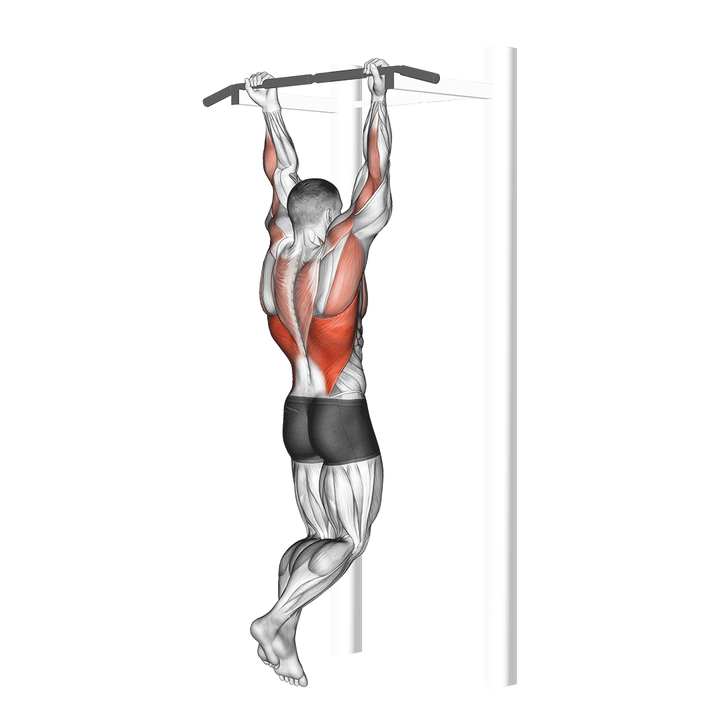
Chin-Up
Lats · Body Weight · Intermediate compound -
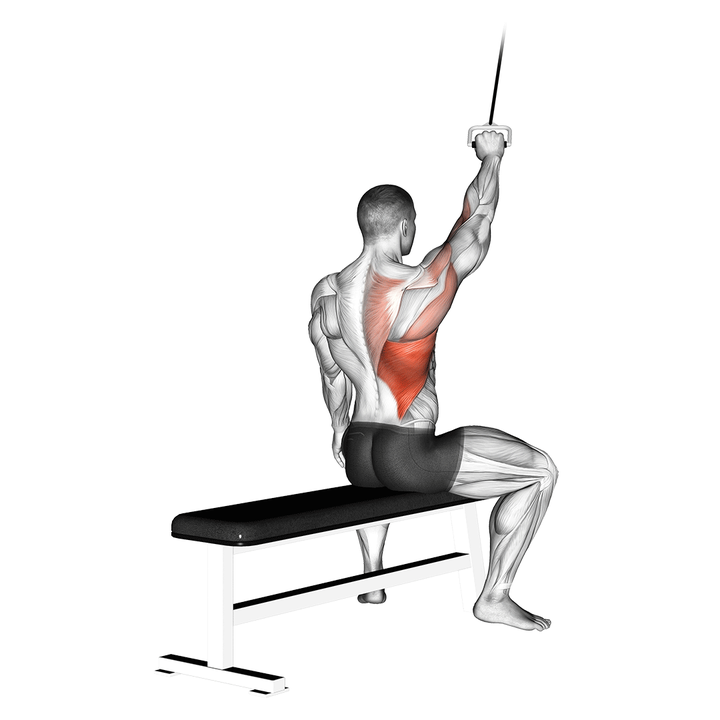
Alternate Lateral Pulldown
Lats · Cable · Beginner compound -
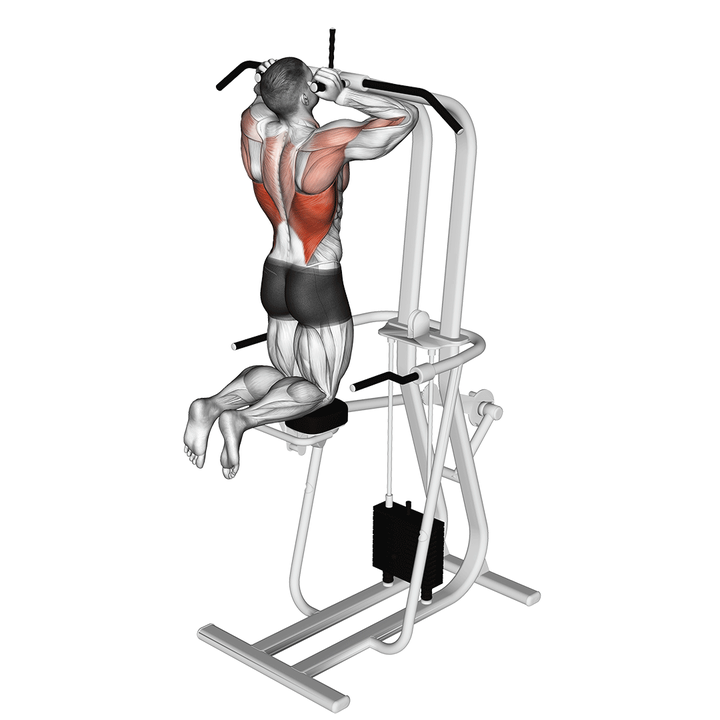
Assisted Parallel Close Grip Pull-Up
Lats · Leverage Machine · Beginner compound -
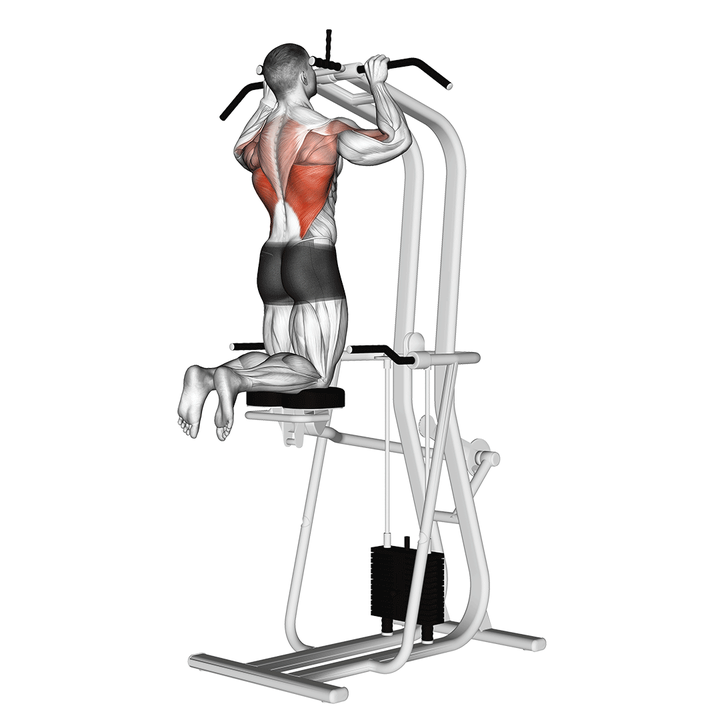
Assisted Pull-Up
Lats · Leverage Machine · Beginner compound -
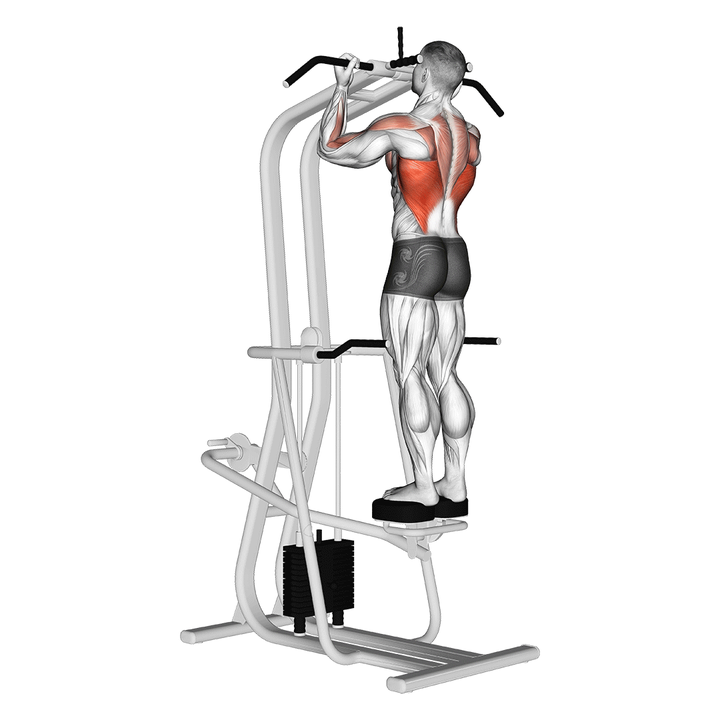
Assisted Standing Chin-Up
Lats · Leverage Machine · Beginner compound
Sources
- American College of Sports Medicine. Progression models in resistance training for healthy adults. Med Sci Sports Exerc. 2009;41(3):687-708.
- Schoenfeld BJ, Grgic J, Ogborn D, Krieger JW. Strength and hypertrophy adaptations between low- vs. high-load resistance training. J Strength Cond Res. 2017;31(12):3508-3523.
- Schoenfeld BJ, Pope ZK, Benik FM, et al. Longer interset rest periods enhance muscle strength and hypertrophy in resistance-trained men. J Strength Cond Res. 2016;30(7):1805-1812.
- Grgic J, Schoenfeld BJ, Orazem J, Sabol F. Effects of resistance training performed to repetition failure or non-failure on muscular strength and hypertrophy: a systematic review and meta-analysis. J Sport Health Sci. 2022;11(2):202-211.
Step-by-step instructions and demonstration media are from the ExerciseDB exercise dataset; cues, mistakes, programming and FAQs are written by FitStack.
This guide is general fitness information, not medical advice. Stop if an exercise causes pain and speak to a doctor or physiotherapist about injuries or health conditions before starting a new programme.