Exercise guide · Beginner · Compound
Lying Leg Curl: How to Do It & Muscles Worked
The lying leg curl bends the knee against a machine pad while you lie face down, isolating the hamstrings. It trains the knee-flexing role of the hamstrings that hip hinges like the Romanian deadlift do not fully cover.
- Primary muscles
- Hamstrings
- Secondary muscles
- Calves
- Equipment
- Leverage Machine
- Level · type
- Beginner · Compound
Written by the FitStack training team. Last reviewed .
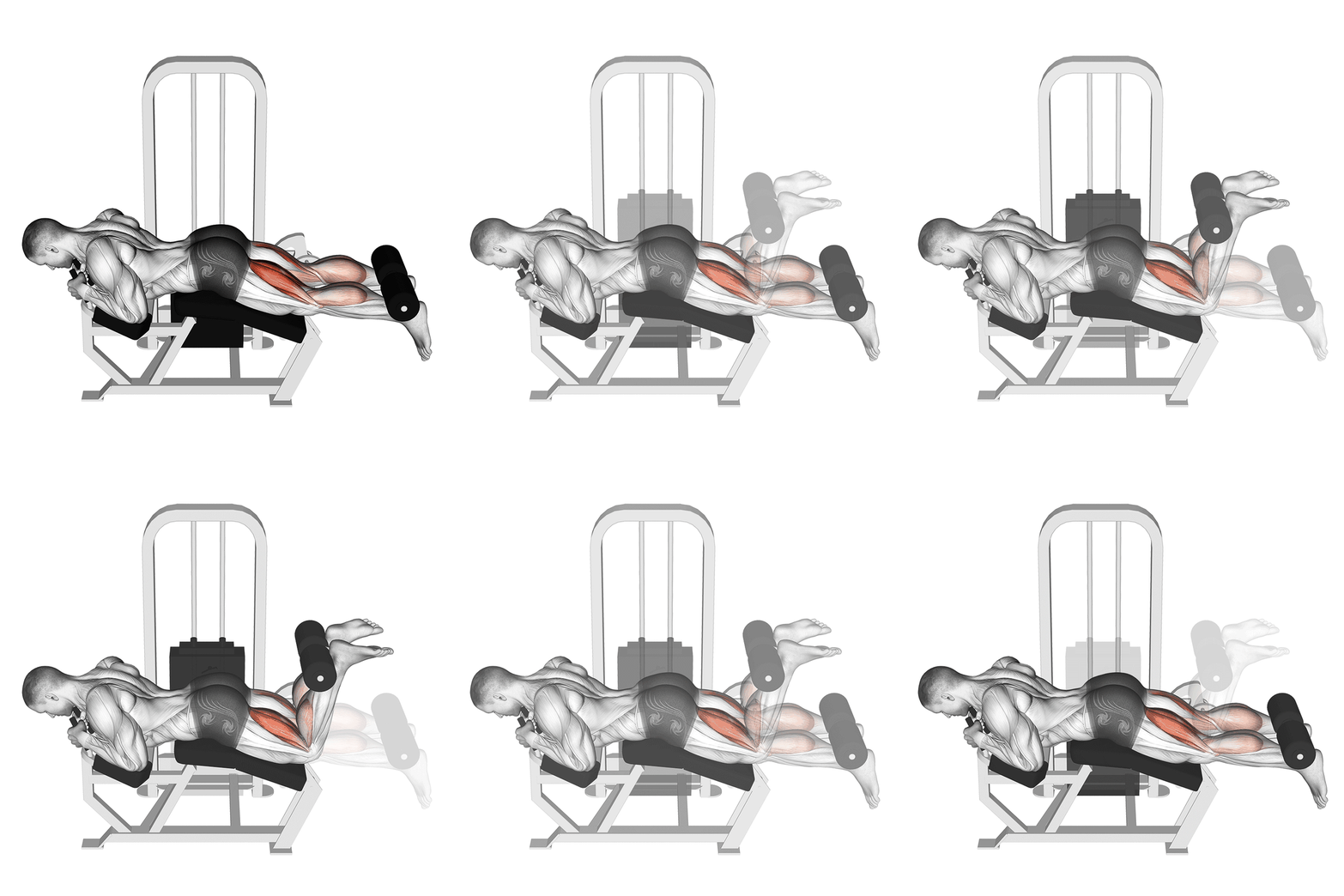
How to do the lying leg curl
- Step 1: Adjust the machine to fit your body and select the desired weight.
- Step 2: Lie face down on the machine with your legs straight and your heels against the padded lever.
- Step 3: Grasp the handles or the sides of the machine for stability.
- Step 4: Keeping your upper body stationary, exhale and curl your legs up as far as possible without lifting your hips off the pad.
- Step 5: Hold the contracted position for a brief pause as you squeeze your hamstrings.
- Step 6: Inhale and slowly lower the lever back to the starting position.
- Step 7: Repeat for the desired number of repetitions.
Form cues
- Lie face down with your knees just off the edge of the bench and the pad on your lower calves, above the heels.
- Press your hips into the bench so they do not rise.
- Curl the pad toward your glutes, pause, then lower slowly to a full stretch.
Common lying leg curl mistakes
-
Hips lifting off the pad to swing the weight up.
Fix: Reduce the weight and keep the hips pressed down.
-
Cutting the lowering phase short.
Fix: Lower all the way until the legs are almost straight; the stretched position is where much of the growth comes from.
Sets, reps and programming
Do 2 to 4 sets of 8 to 15 reps, ideally on a different day from or after your hinge. If your gym has a seated leg curl, use it too: training the hamstrings at longer lengths in the seated version produced more growth in a 2021 study by Maeo et al.
| Goal | Sets | Reps | Rest | Effort |
|---|---|---|---|---|
| Strength | 3–5 | 3–6 | 3–5 min | 1–3 reps in reserve |
| Muscle growth | 3–4 | 6–12 | 2–3 min | 1–2 reps in reserve |
| Muscular endurance | 2–3 | 12–20 | 1–2 min | 1–3 reps in reserve |
Ranges follow the ACSM position stand on progression in resistance training. Muscle grows across a wide range of loads when sets end close to failure (Schoenfeld et al., 2017), longer rests between heavy sets support strength and size (Schoenfeld et al., 2016), and stopping a rep or two short of failure works about as well as training to failure (Grgic et al., 2022). Estimate your working weights with the strength calculators.
Variations and progressions
- Seated leg curl — Hamstrings in a more stretched position.
- Standing single-leg curl — One leg at a time.
Lying Leg Curl alternatives
- Romanian deadlift — Hamstrings at the hip.
- Inverse leg curl — Bodyweight option without a machine.
More exercises that train the hamstrings as their main target:
-
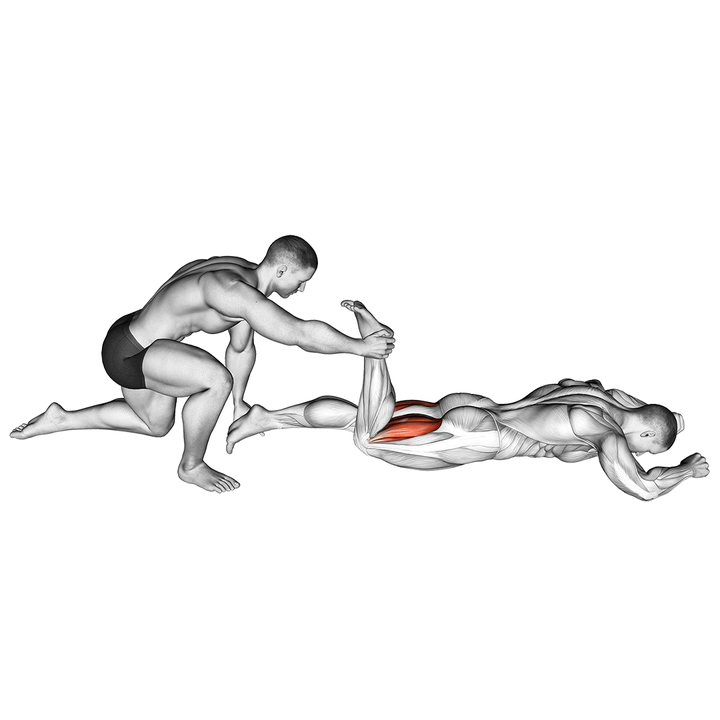
Assisted Prone Hamstring
Hamstrings · Assisted · Beginner compound -
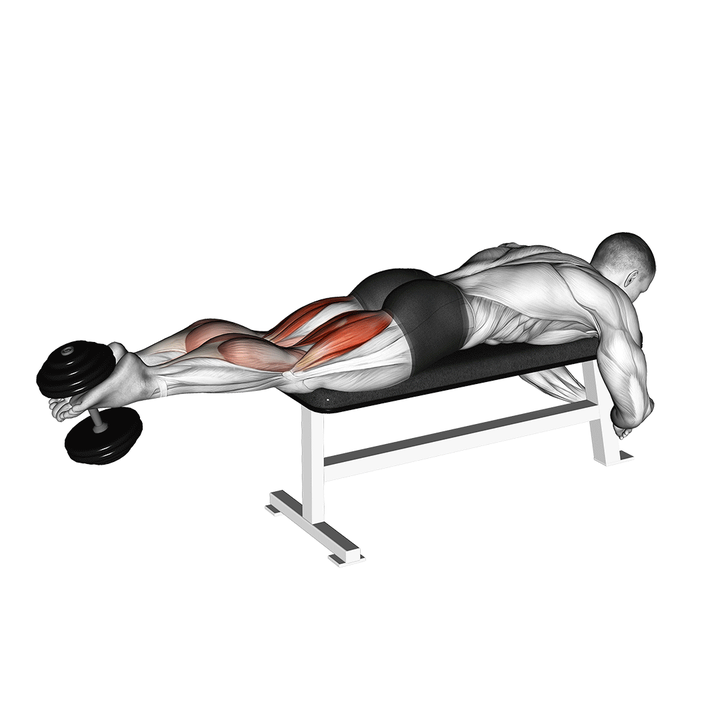
Dumbbell Lying Femoral
Hamstrings · Dumbbell · Beginner compound -
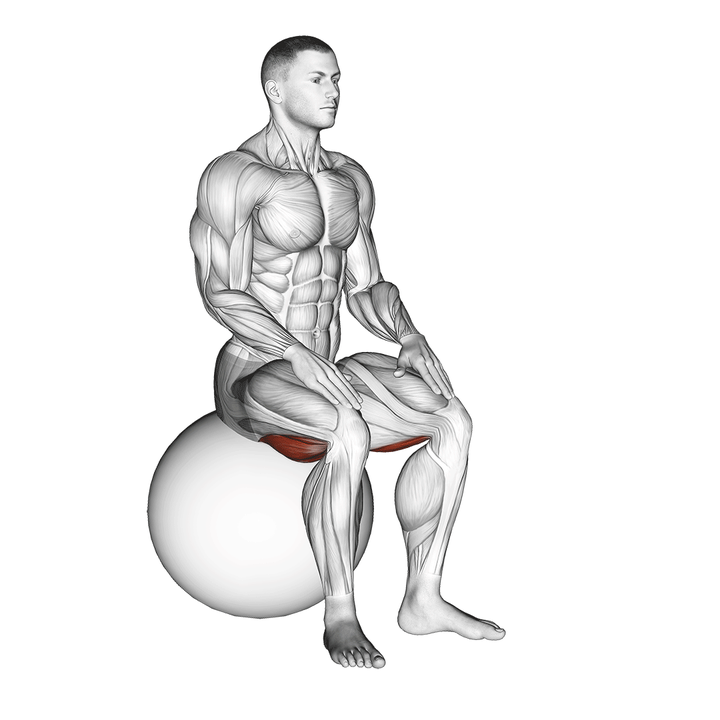
Exercise Ball Seated Hamstring Stretch
Hamstrings · Stability Ball · Beginner stretch -
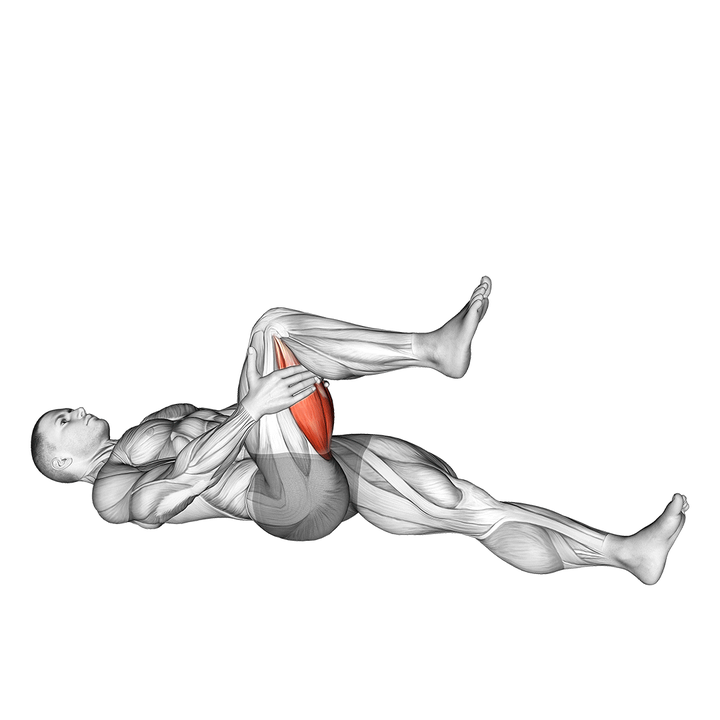
Hamstring Stretch
Hamstrings · Body Weight · Beginner stretch -
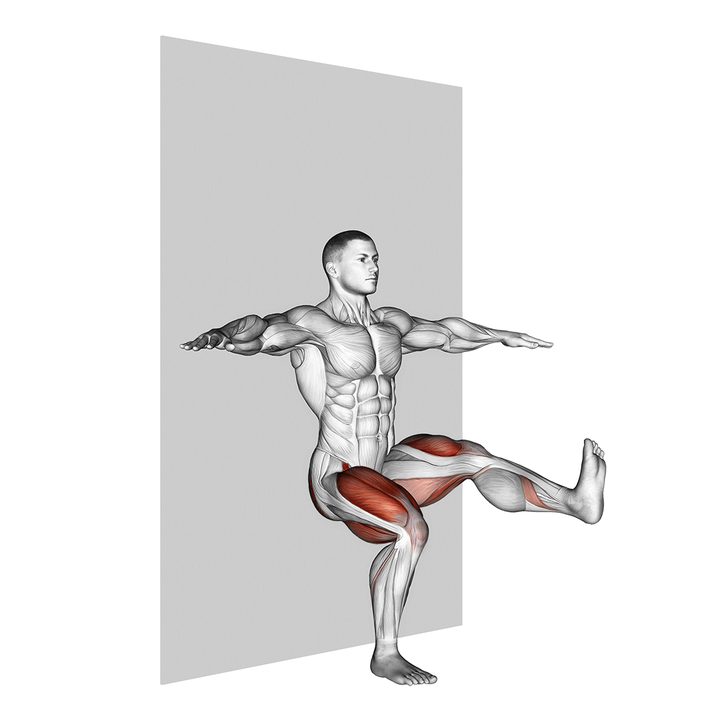
Kick Out Sit
Hamstrings · Body Weight · Beginner compound -
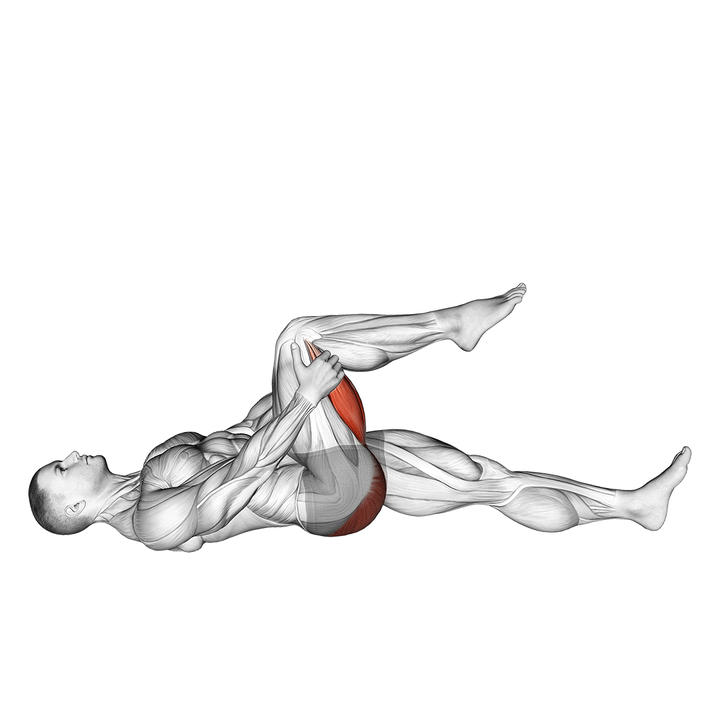
Leg Up Hamstring Stretch
Hamstrings · Body Weight · Beginner stretch -
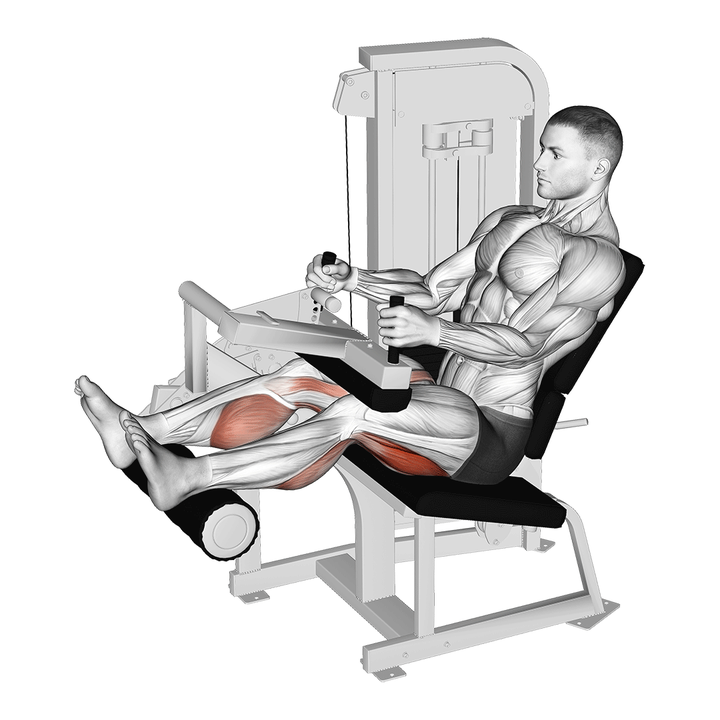
Lever Seated Leg Curl
Hamstrings · Leverage Machine · Beginner compound -
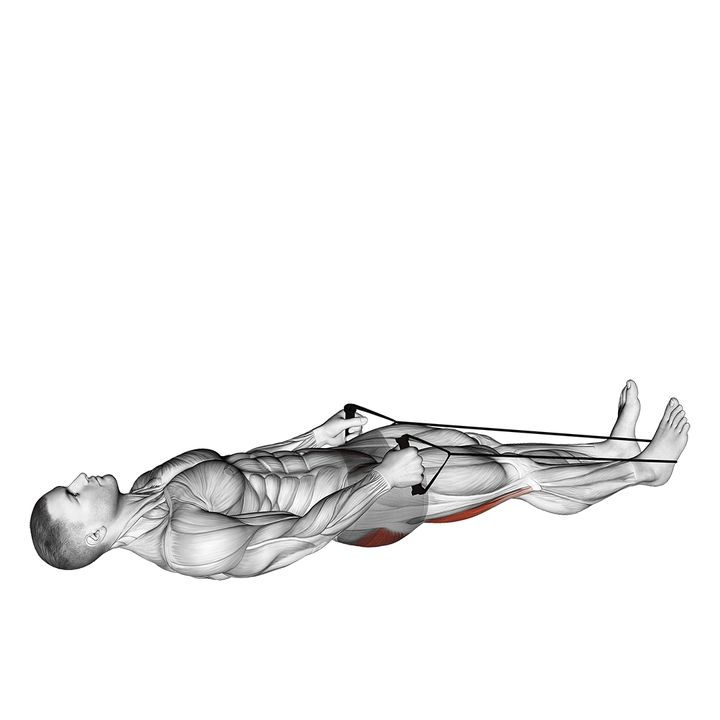
Reclining Big Toe Pose with Rope
Hamstrings · Rope · Beginner stretch
Lying Leg Curl FAQs
Lying or seated leg curl: which is better?
Both work. Maeo et al. (2021) found the seated leg curl, which stretches the hamstrings more, produced more hamstring growth than the lying version over 12 weeks.
Do leg curls work the glutes?
Very little. Leg curls bend the knee, which is a hamstring and calf job. Train the glutes with hip extension exercises such as bridges and RDLs.
More hamstrings exercises
-
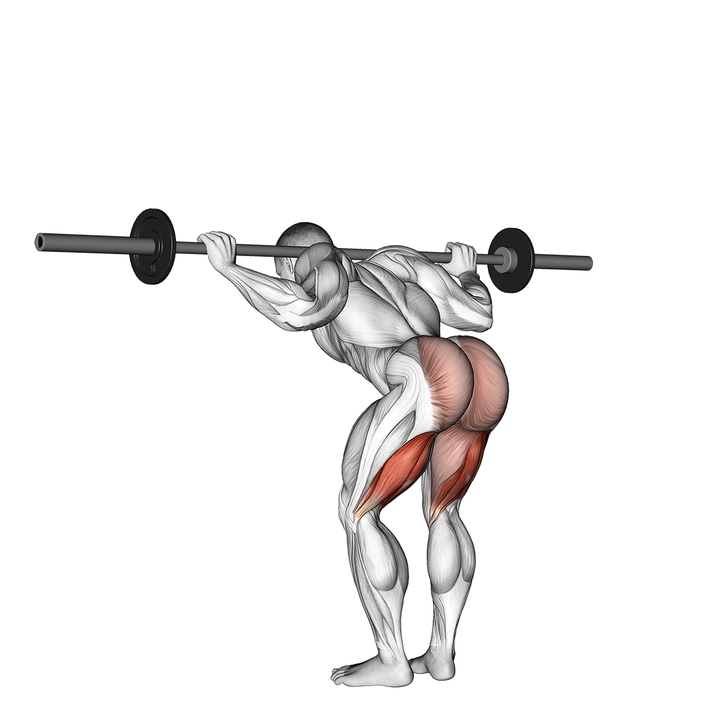
Barbell Good Morning
Hamstrings · Barbell · Intermediate compound -
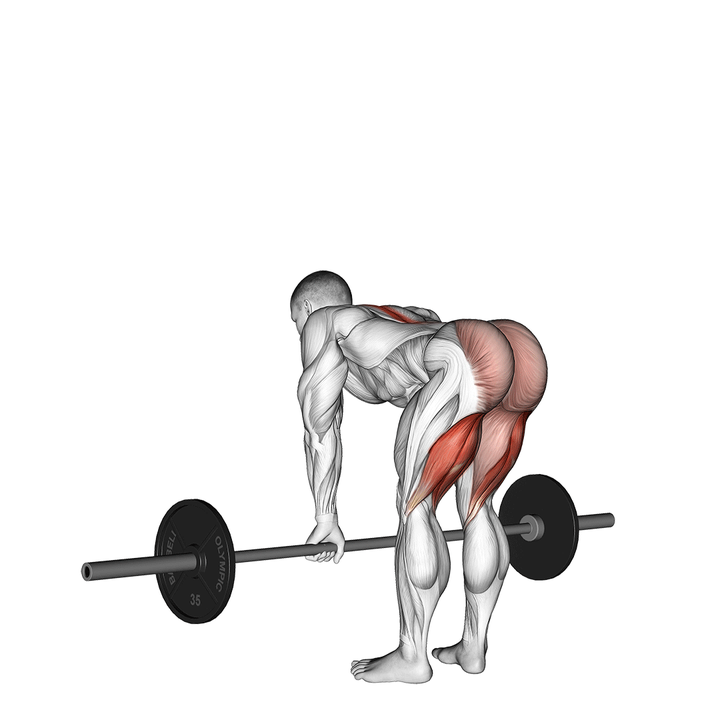
Barbell Straight Leg Deadlift
Hamstrings · Barbell · Intermediate compound -
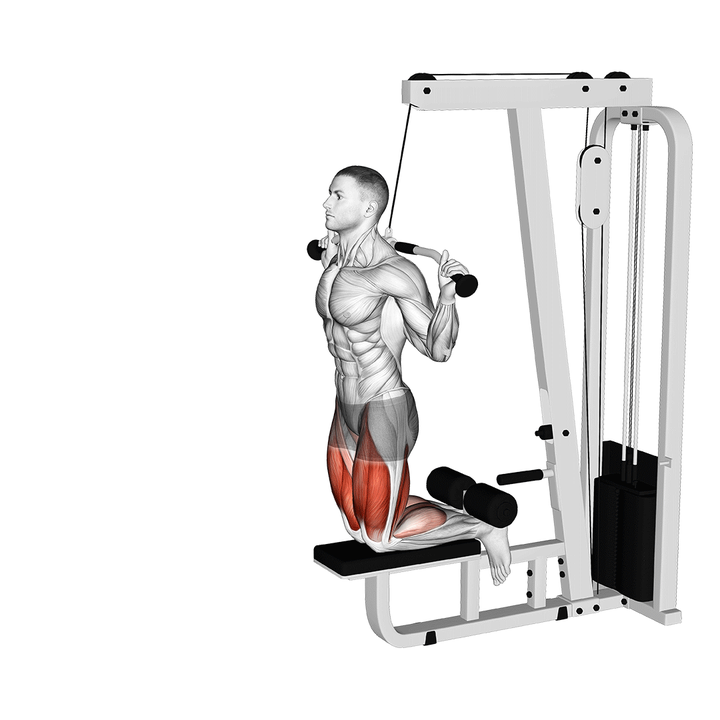
Cable Assisted Inverse Leg Curl
Hamstrings · Cable · Intermediate compound -
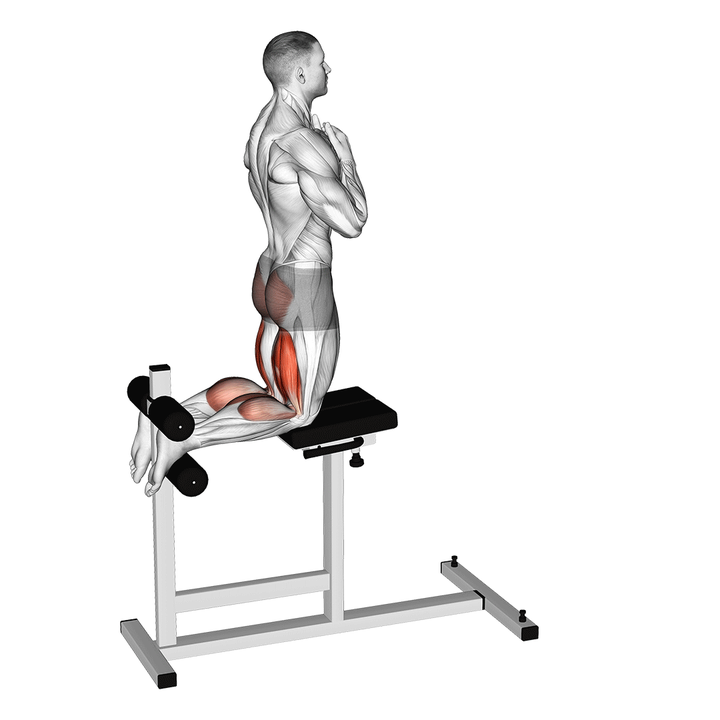
Glute-Ham Raise
Hamstrings · Body Weight · Advanced compound -
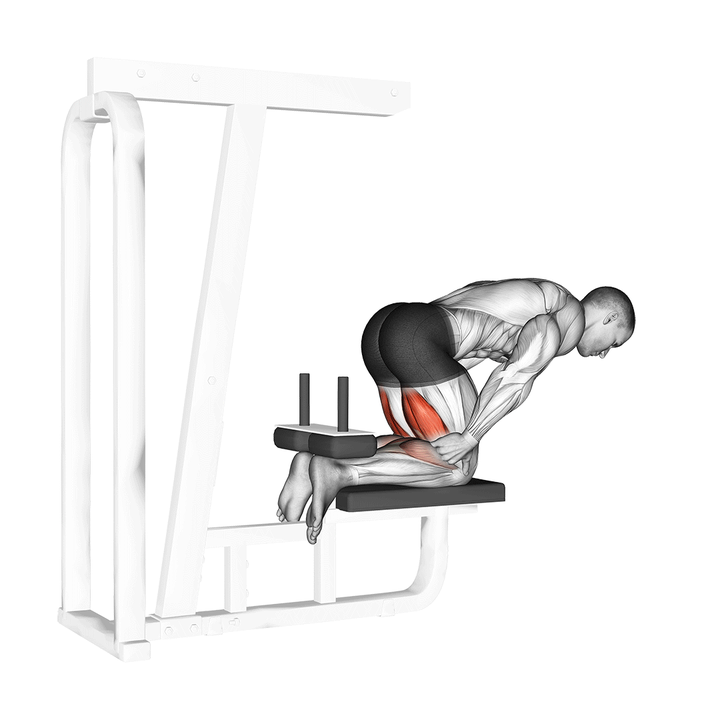
Inverse Leg Curl (Bench Support)
Hamstrings · Body Weight · Intermediate compound -
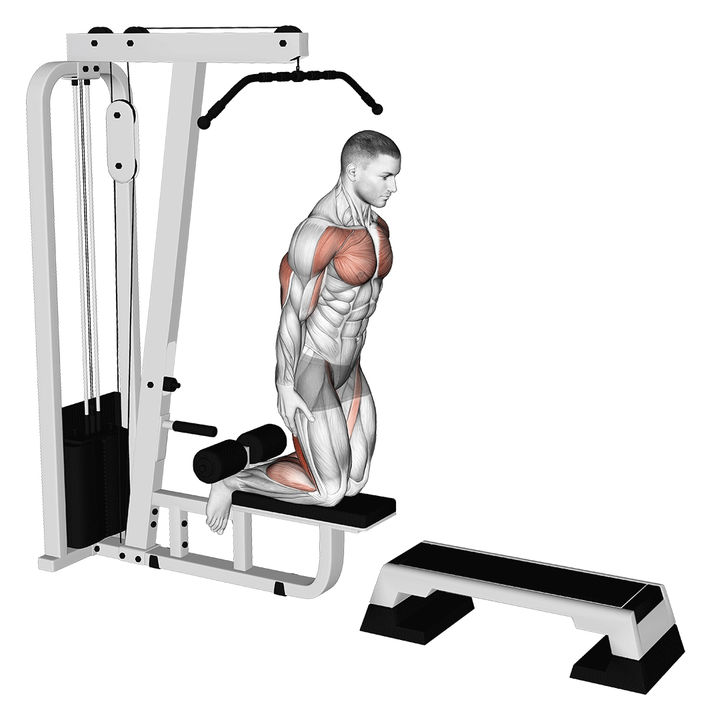
Inverse Leg Curl (On Pull-Up Cable Machine)
Hamstrings · Body Weight · Advanced compound
Sources
- American College of Sports Medicine. Progression models in resistance training for healthy adults. Med Sci Sports Exerc. 2009;41(3):687-708.
- Schoenfeld BJ, Grgic J, Ogborn D, Krieger JW. Strength and hypertrophy adaptations between low- vs. high-load resistance training. J Strength Cond Res. 2017;31(12):3508-3523.
- Schoenfeld BJ, Pope ZK, Benik FM, et al. Longer interset rest periods enhance muscle strength and hypertrophy in resistance-trained men. J Strength Cond Res. 2016;30(7):1805-1812.
- Grgic J, Schoenfeld BJ, Orazem J, Sabol F. Effects of resistance training performed to repetition failure or non-failure on muscular strength and hypertrophy: a systematic review and meta-analysis. J Sport Health Sci. 2022;11(2):202-211.
Step-by-step instructions and demonstration media are from the ExerciseDB exercise dataset; cues, mistakes, programming and FAQs are written by FitStack.
This guide is general fitness information, not medical advice. Stop if an exercise causes pain and speak to a doctor or physiotherapist about injuries or health conditions before starting a new programme.