Exercise guide · Beginner · Stretch
Leg Up Hamstring Stretch: How to Do It & Muscles Worked
The leg up hamstring stretch is a flexibility exercise targeting the hamstrings and glutes. It involves lying on your back, bringing one knee toward your chest, and then straightening the leg to stretch the hamstring.
- Primary muscles
- Hamstrings
- Secondary muscles
- Glutes
- Equipment
- Body Weight
- Level · type
- Beginner · Stretch
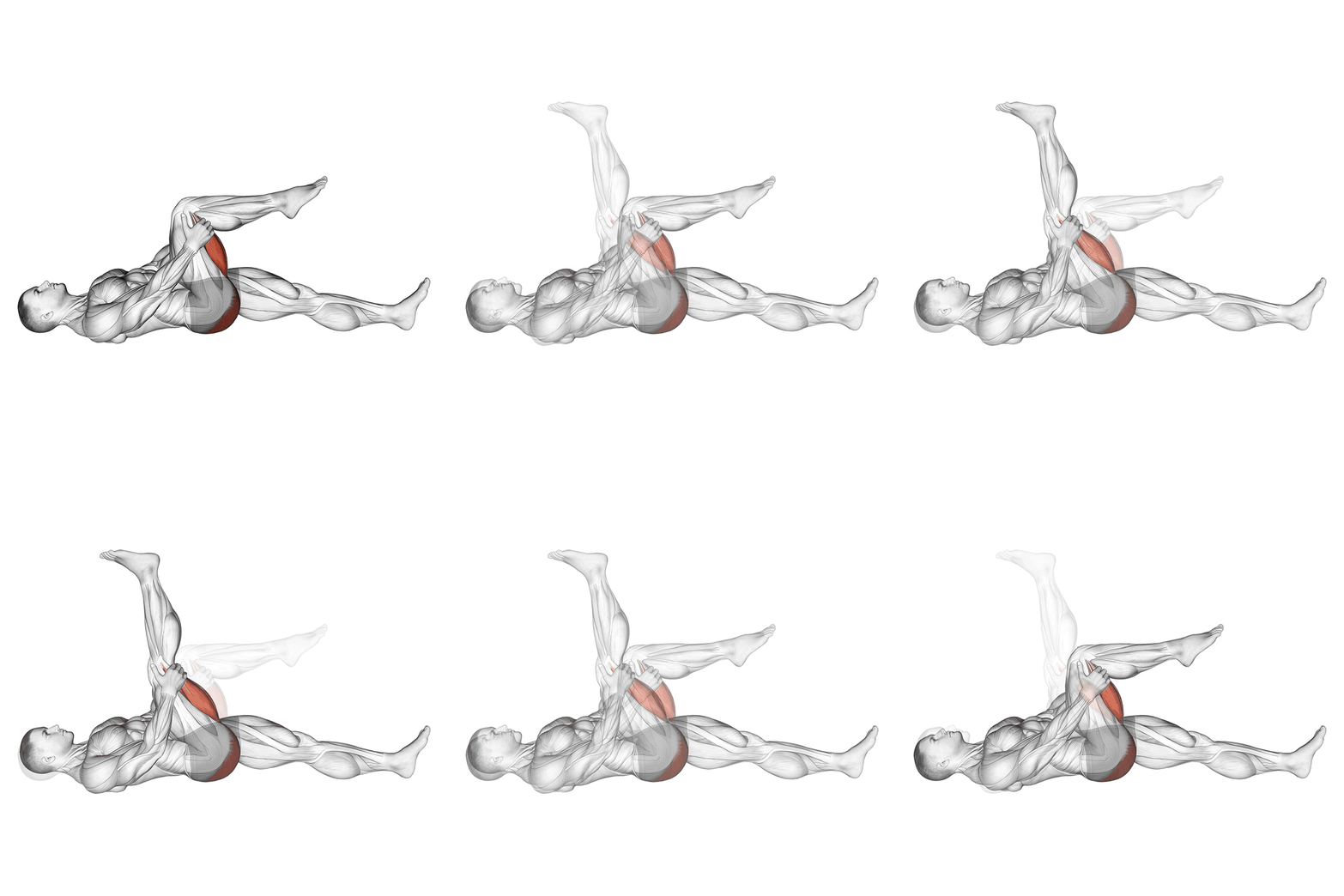
How to do the leg up hamstring stretch
- Step 1: Lie flat on your back with your legs extended.
- Step 2: Bend one knee and bring it towards your chest, holding onto your thigh or shin.
- Step 3: Straighten your leg as much as possible while keeping it elevated.
- Step 4: Hold the stretch for 20-30 seconds.
- Step 5: Repeat with the other leg.
Leg Up Hamstring Stretch alternatives
More exercises that train the hamstrings as their main target:
-
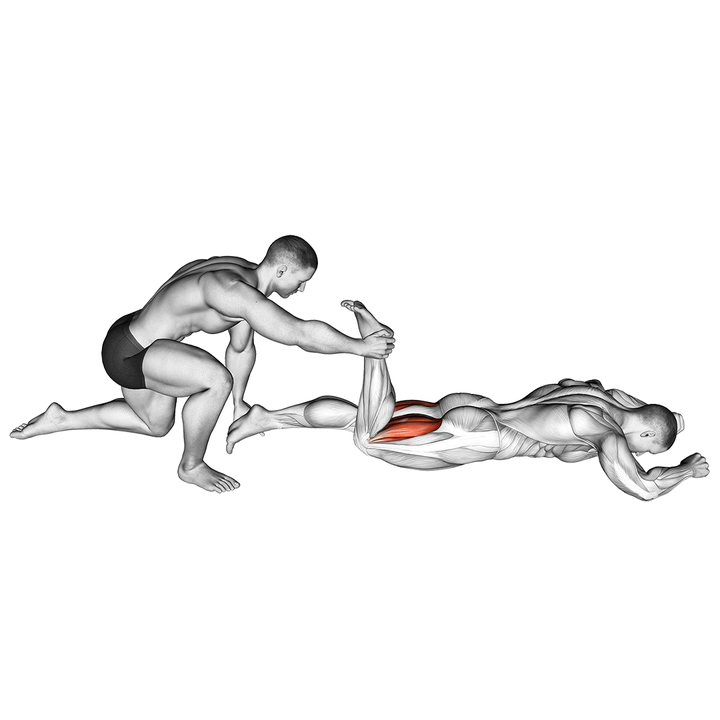
Assisted Prone Hamstring
Hamstrings · Assisted · Beginner compound -
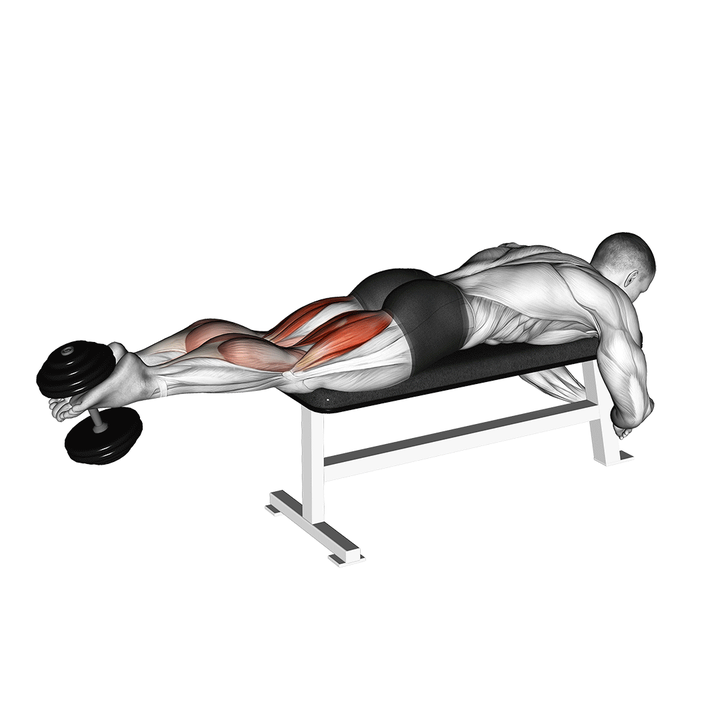
Dumbbell Lying Femoral
Hamstrings · Dumbbell · Beginner compound -
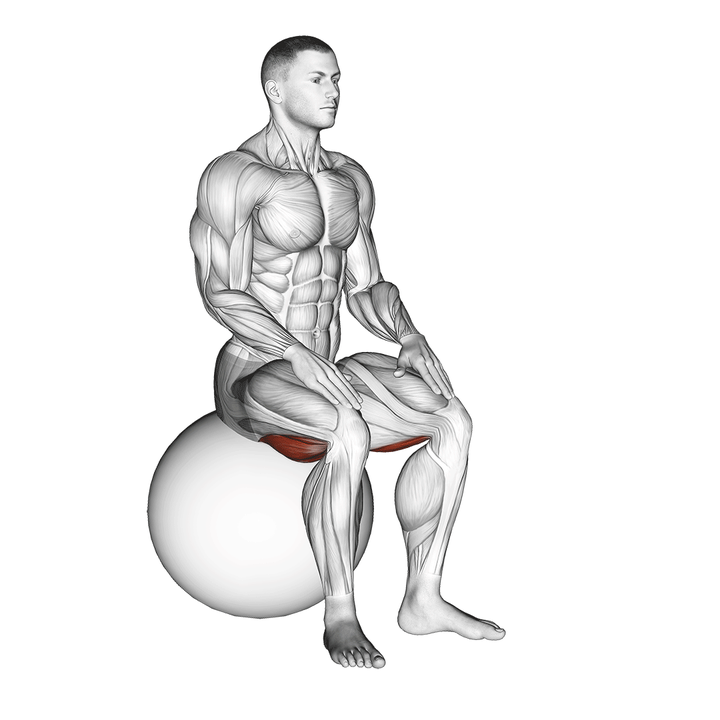
Exercise Ball Seated Hamstring Stretch
Hamstrings · Stability Ball · Beginner stretch -
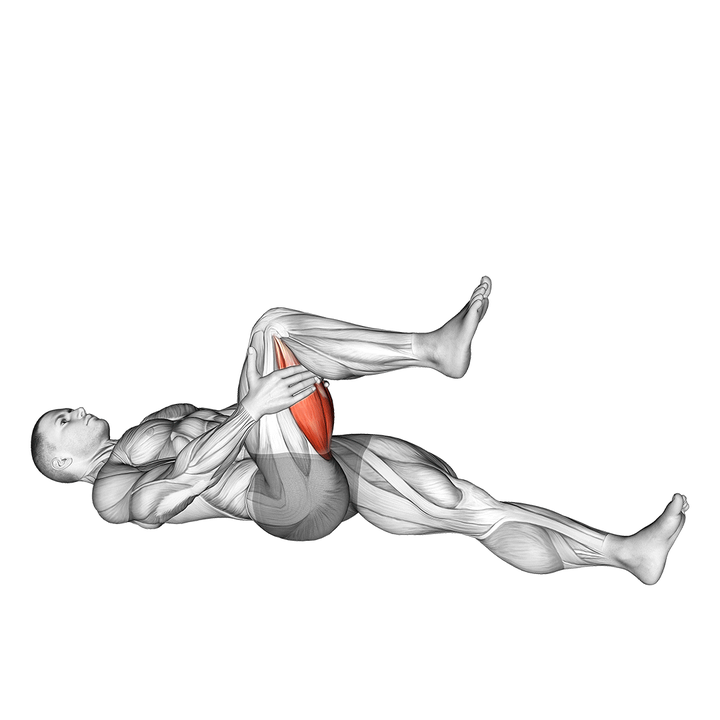
Hamstring Stretch
Hamstrings · Body Weight · Beginner stretch -
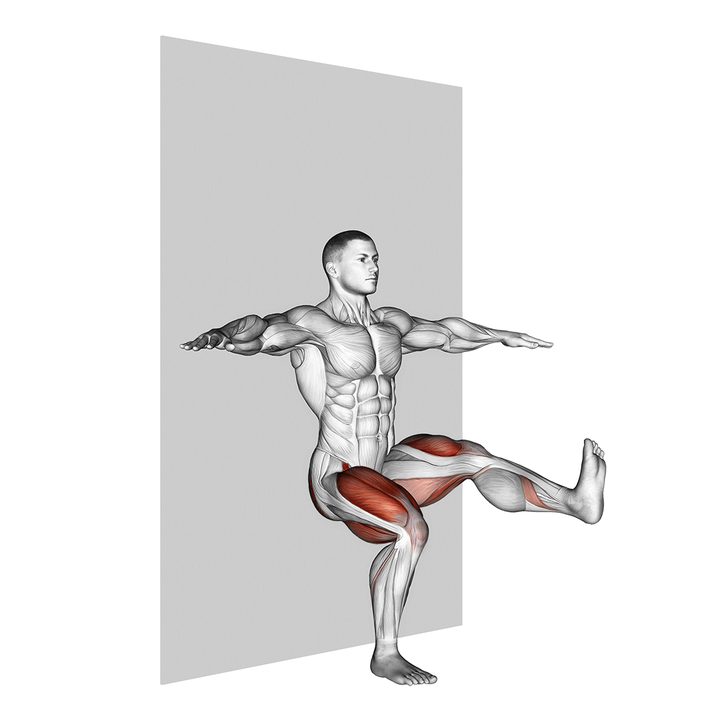
Kick Out Sit
Hamstrings · Body Weight · Beginner compound -
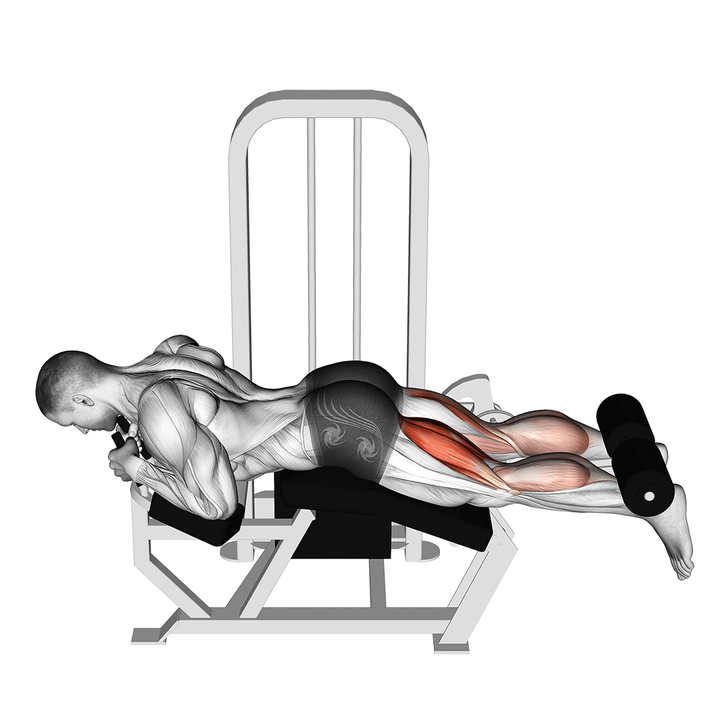
Lying Leg Curl
Hamstrings · Leverage Machine · Beginner compound -
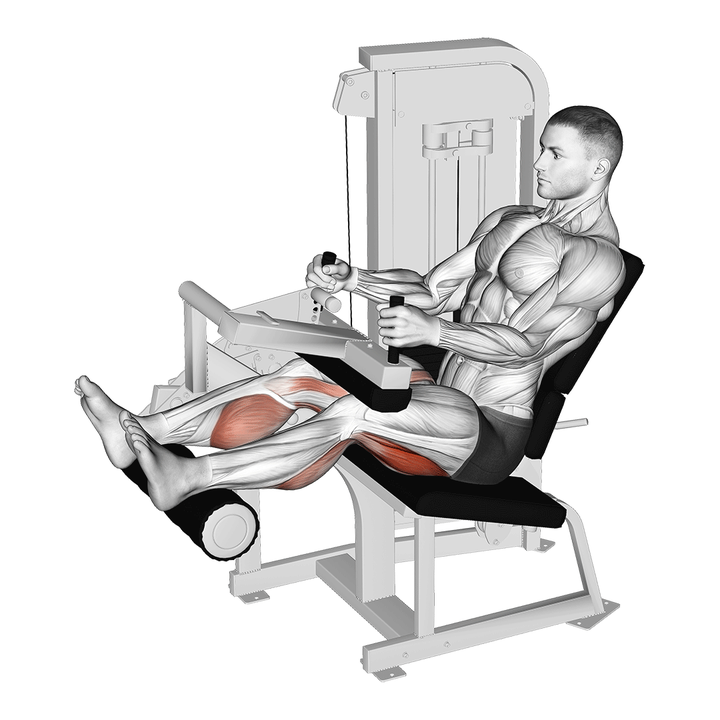
Lever Seated Leg Curl
Hamstrings · Leverage Machine · Beginner compound -
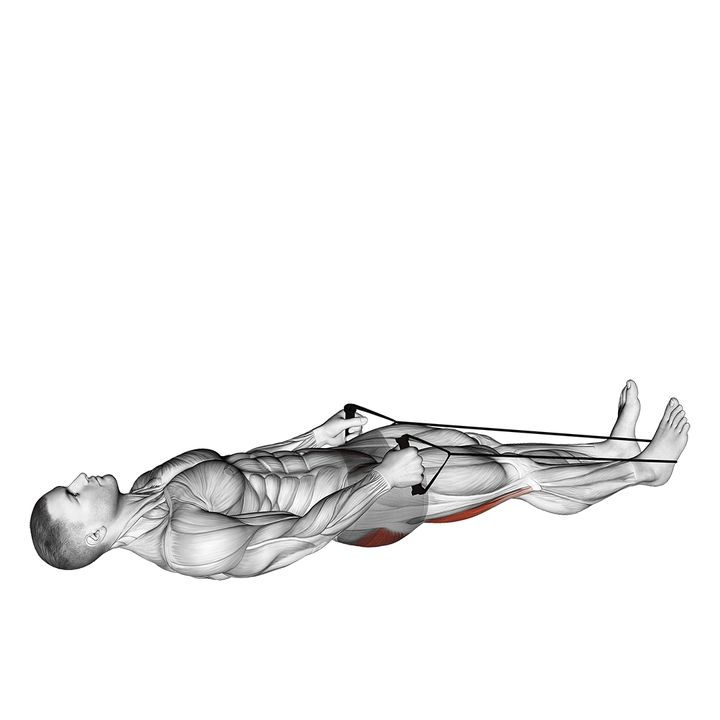
Reclining Big Toe Pose with Rope
Hamstrings · Rope · Beginner stretch
More hamstrings exercises
-
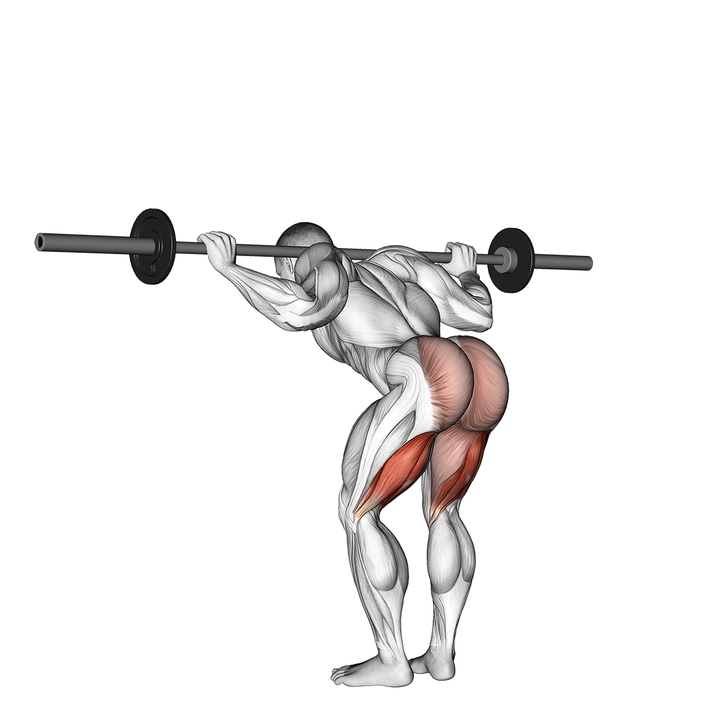
Barbell Good Morning
Hamstrings · Barbell · Intermediate compound -
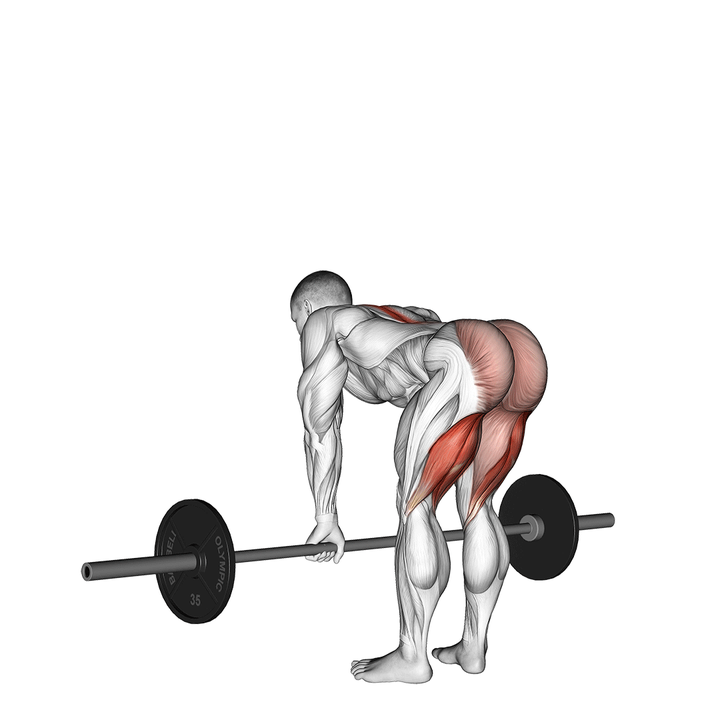
Barbell Straight Leg Deadlift
Hamstrings · Barbell · Intermediate compound -
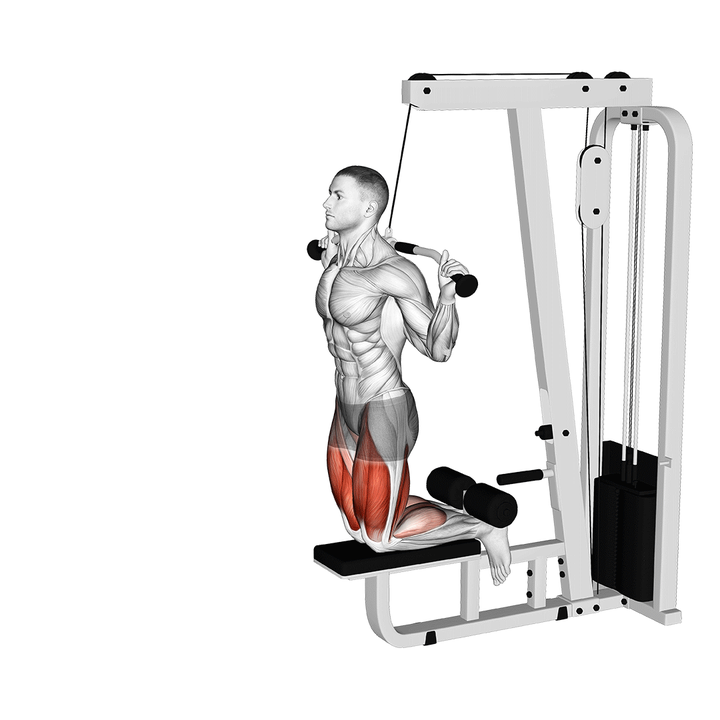
Cable Assisted Inverse Leg Curl
Hamstrings · Cable · Intermediate compound -
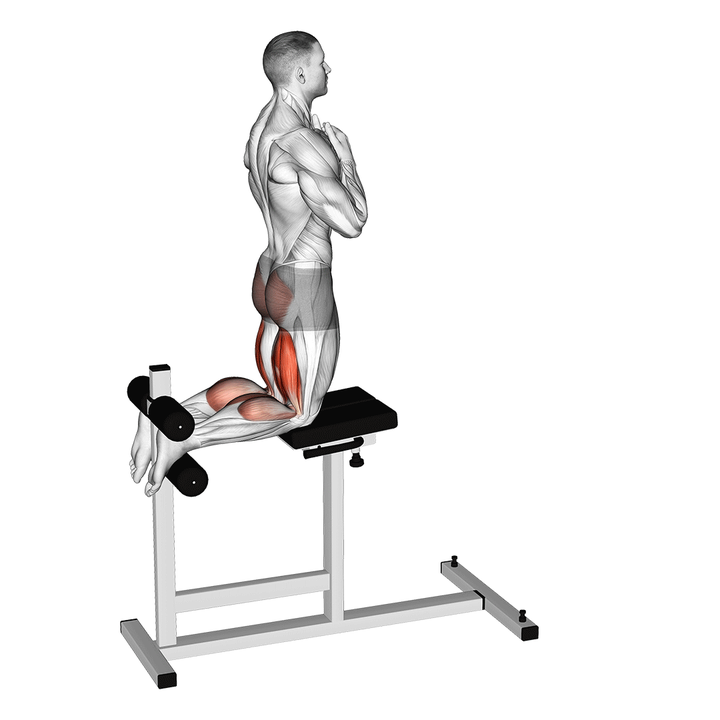
Glute-Ham Raise
Hamstrings · Body Weight · Advanced compound -
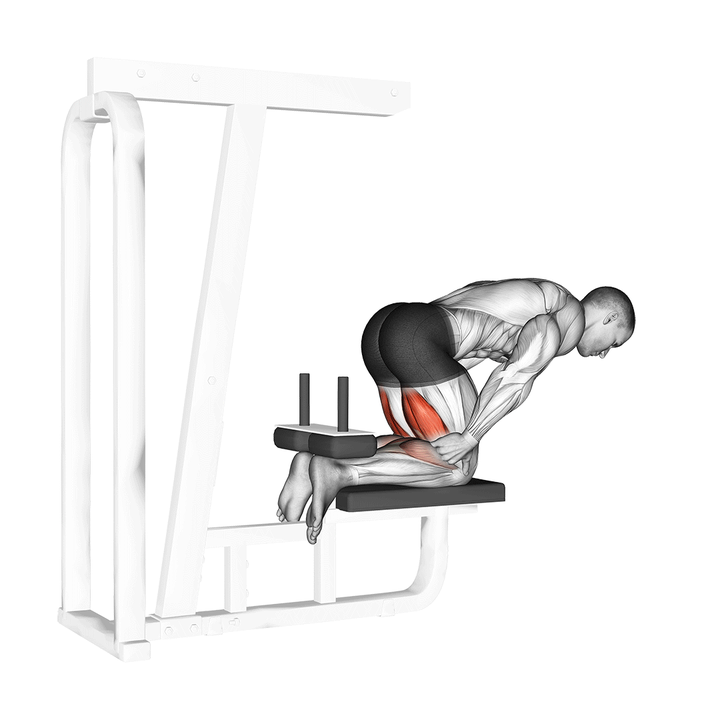
Inverse Leg Curl (Bench Support)
Hamstrings · Body Weight · Intermediate compound -
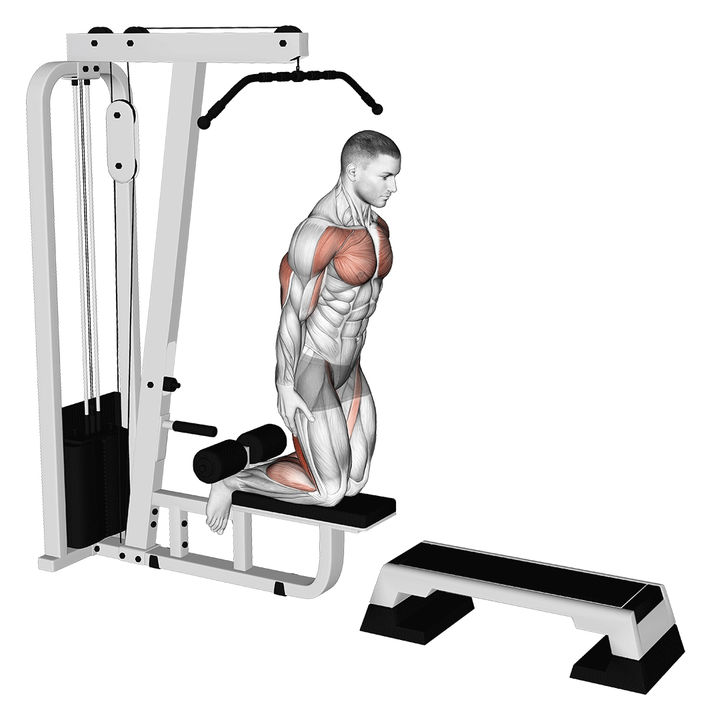
Inverse Leg Curl (On Pull-Up Cable Machine)
Hamstrings · Body Weight · Advanced compound
Step-by-step instructions and demonstration media are from the ExerciseDB exercise dataset.
This guide is general fitness information, not medical advice. Stop if an exercise causes pain and speak to a doctor or physiotherapist about injuries or health conditions before starting a new programme.