Exercise guide · Advanced · Balance
Handstand: How to Do It & Muscles Worked
The handstand is a bodyweight exercise that primarily targets the triceps, while also engaging the shoulders and core. It requires significant balance, strength, and coordination to perform safely and effectively.
- Primary muscles
- Triceps
- Equipment
- Body Weight
- Level · type
- Advanced · Balance
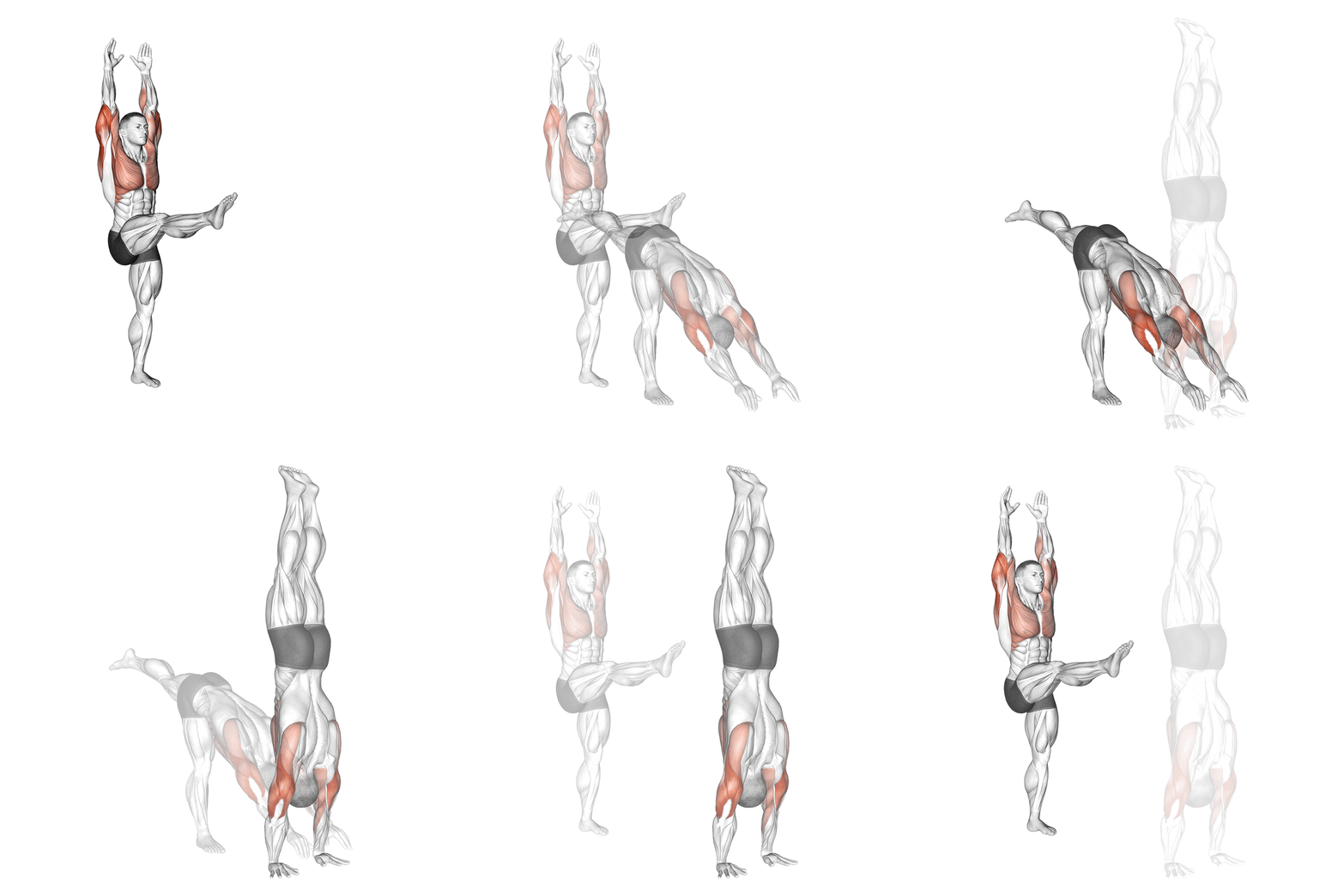
How to do the handstand
- Step 1: Find an open space with enough room to perform a handstand.
- Step 2: Place your hands on the ground shoulder-width apart, fingers pointing forward.
- Step 3: Kick your legs up towards the wall, using your core and shoulders to maintain balance.
- Step 4: Once in a handstand position, engage your triceps to support your body weight.
- Step 5: Hold the handstand for as long as you can maintain balance.
- Step 6: To come down, slowly lower your legs back to the ground.
- Step 7: Repeat for the desired number of repetitions.
Handstand alternatives
More exercises that train the triceps as their main target:
-
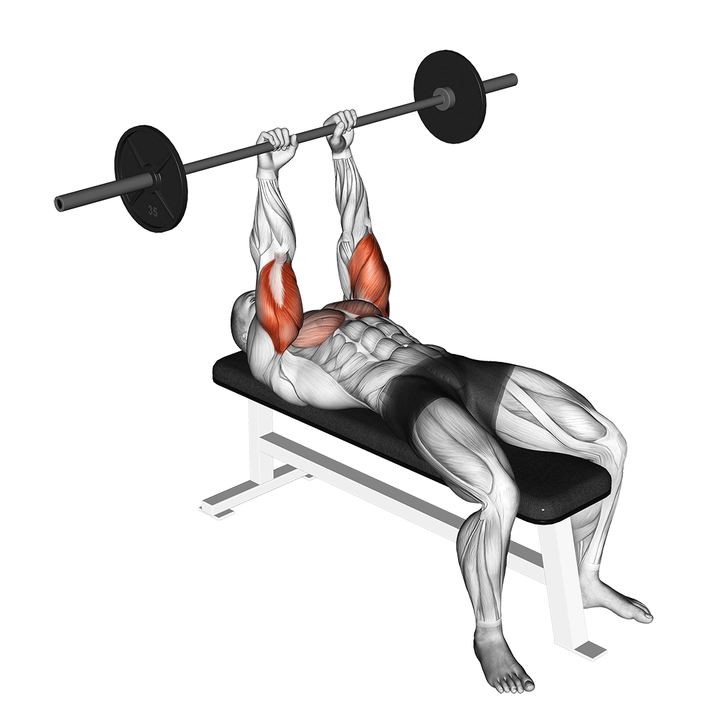
Barbell Jm Bench Press
Triceps · Barbell · Advanced compound -
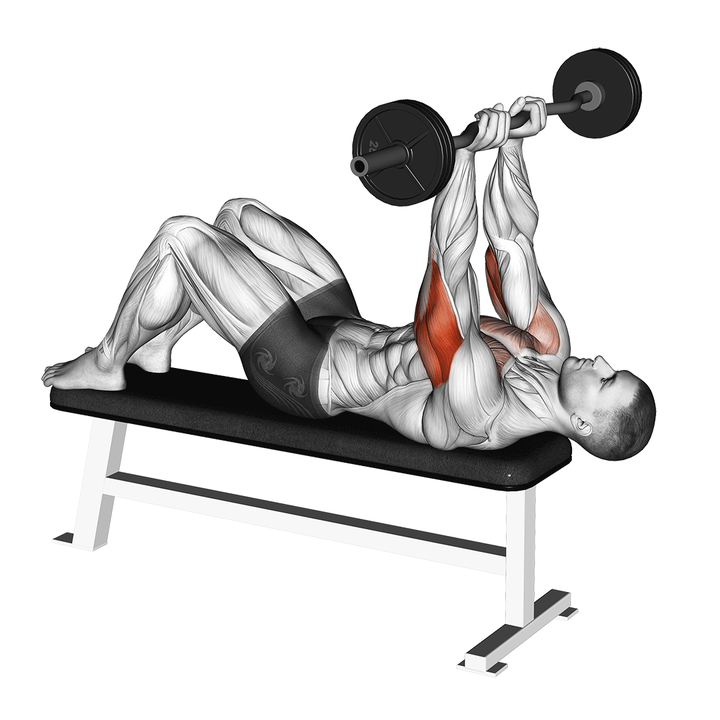
EZ Barbell Jm Bench Press
Triceps · Ez Barbell · Advanced compound -
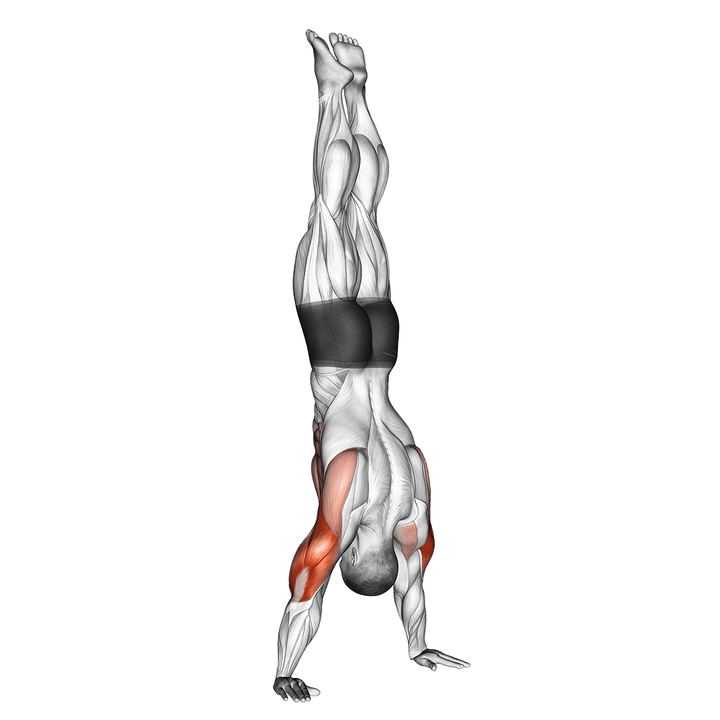
Handstand Push-Up
Triceps · Body Weight · Advanced compound -
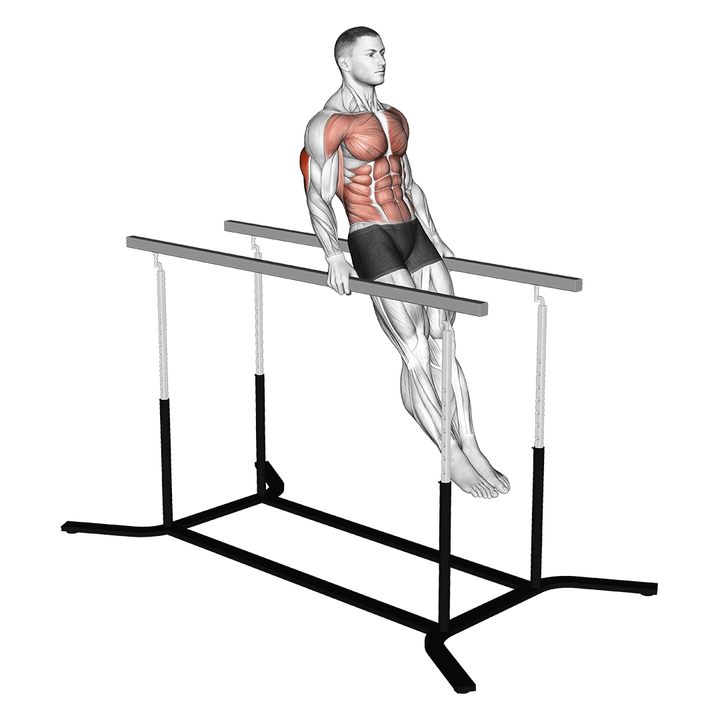
Impossible Dips
Triceps · Body Weight · Advanced compound -
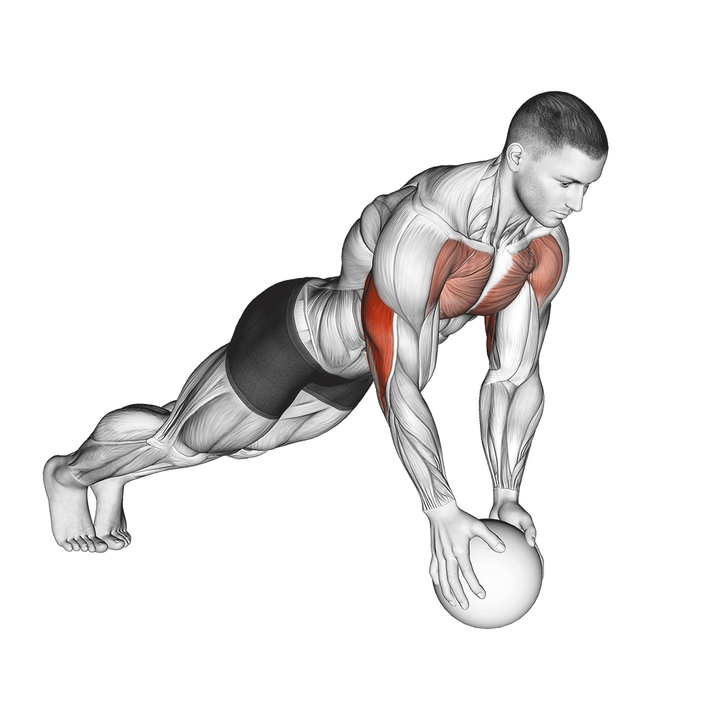
Medicine Ball Close Grip Push Up
Triceps · Medicine Ball · Advanced compound -
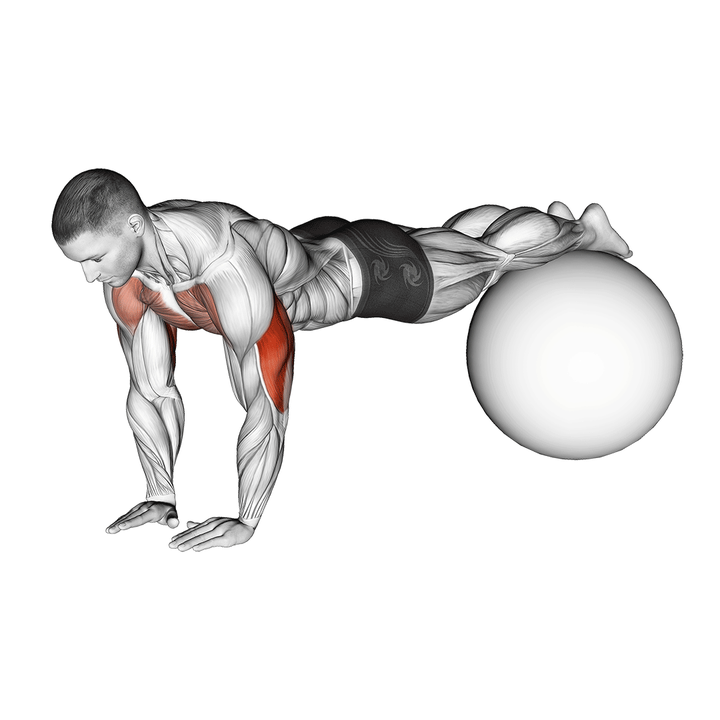
Narrow Push-Up on Exercise Ball
Triceps · Stability Ball · Advanced compound -
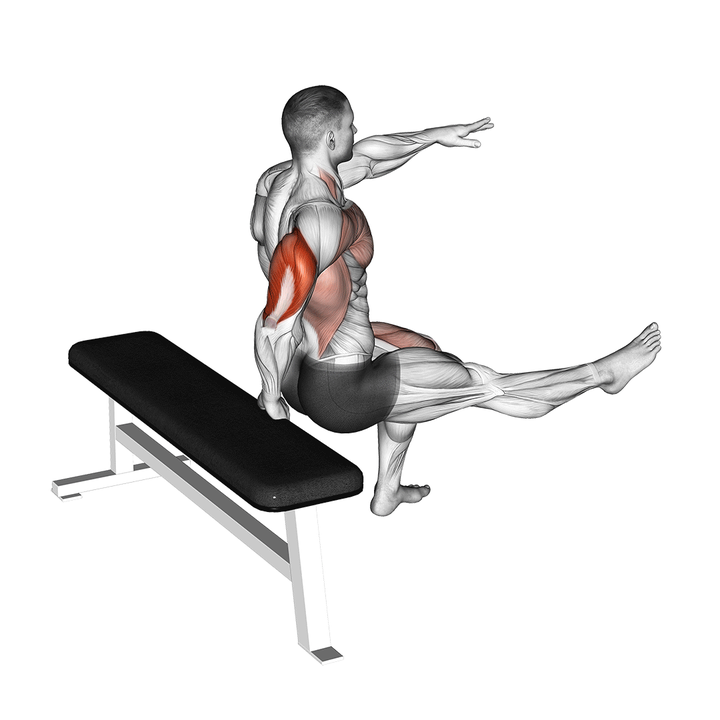
One Arm Dip
Triceps · Body Weight · Advanced compound -
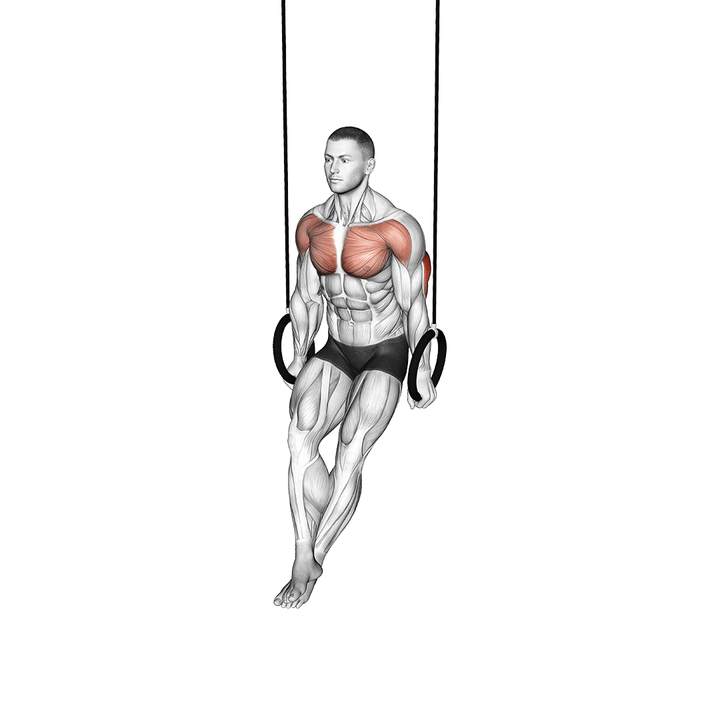
Ring Dips
Triceps · Body Weight · Advanced compound
More triceps exercises
-
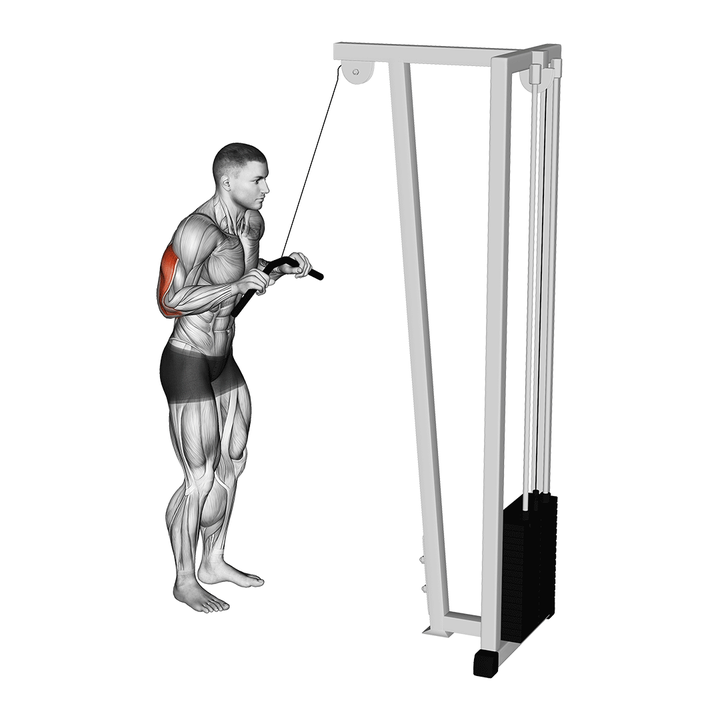
Cable Triceps Pushdown
Triceps · Cable · Beginner compound -
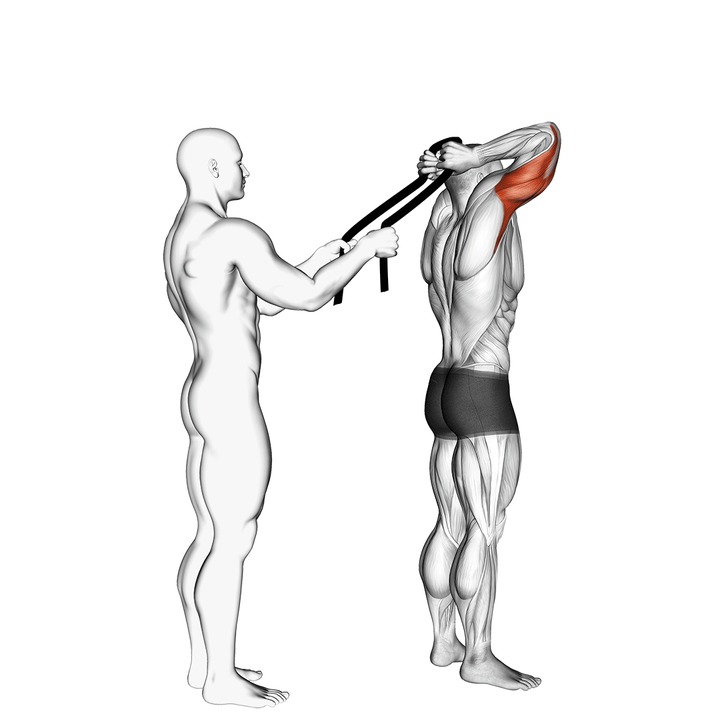
Assisted Standing Triceps Extension (With Towel)
Triceps · Assisted · Beginner compound -
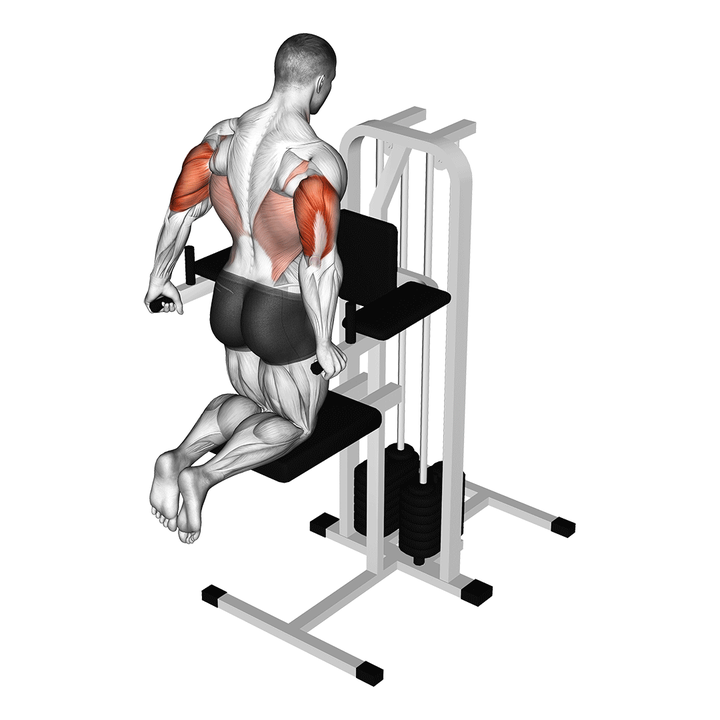
Assisted Triceps Dip (Kneeling)
Triceps · Leverage Machine · Beginner compound -
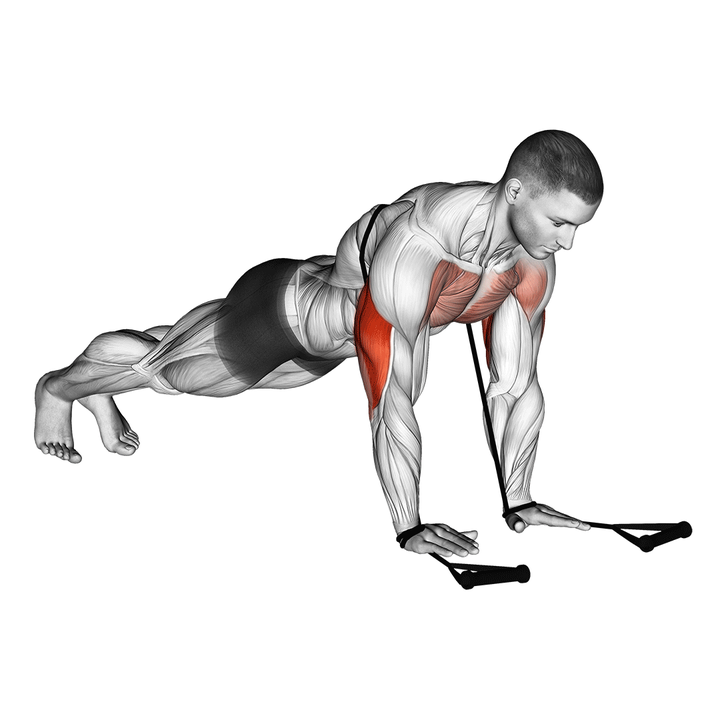
Band Close-Grip Push-Up
Triceps · Band · Intermediate compound -
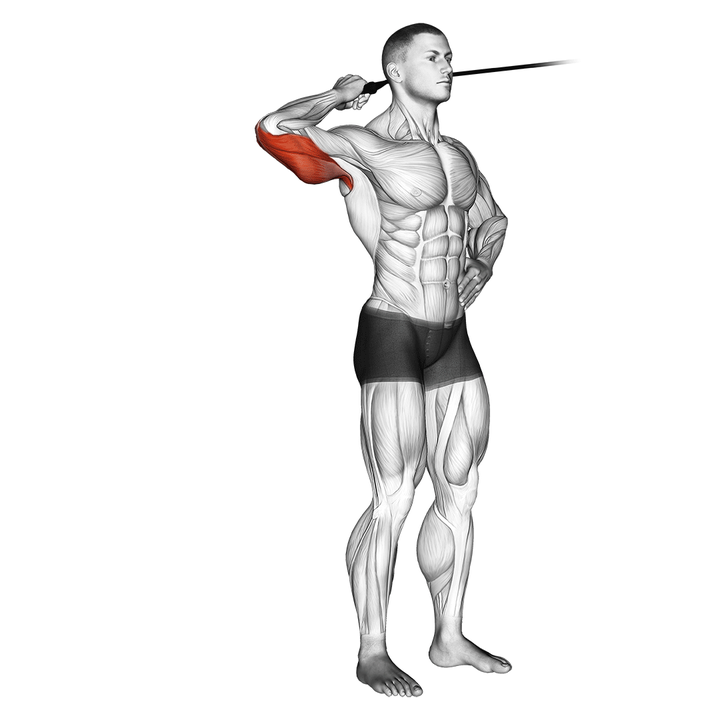
Band Side Triceps Extension
Triceps · Band · Beginner compound -
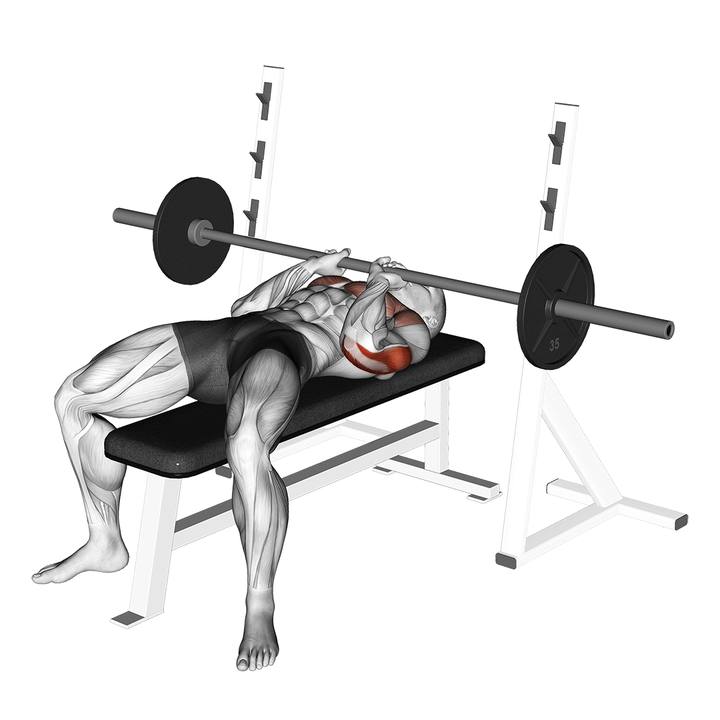
Barbell Close-Grip Bench Press
Triceps · Barbell · Intermediate compound
Step-by-step instructions and demonstration media are from the ExerciseDB exercise dataset.
This guide is general fitness information, not medical advice. Stop if an exercise causes pain and speak to a doctor or physiotherapist about injuries or health conditions before starting a new programme.