Exercise guide · Intermediate · Compound
Barbell Bent-Over Row: How to Do It & Muscles Worked
The barbell bent-over row pulls a bar to your torso while you hold a hip hinge. It builds the upper back, lats and rear delts, and the hinge position also trains the lower back to hold position under load.
- Primary muscles
- Traps
- Equipment
- Barbell
- Level · type
- Intermediate · Compound
Written by the FitStack training team. Last reviewed .
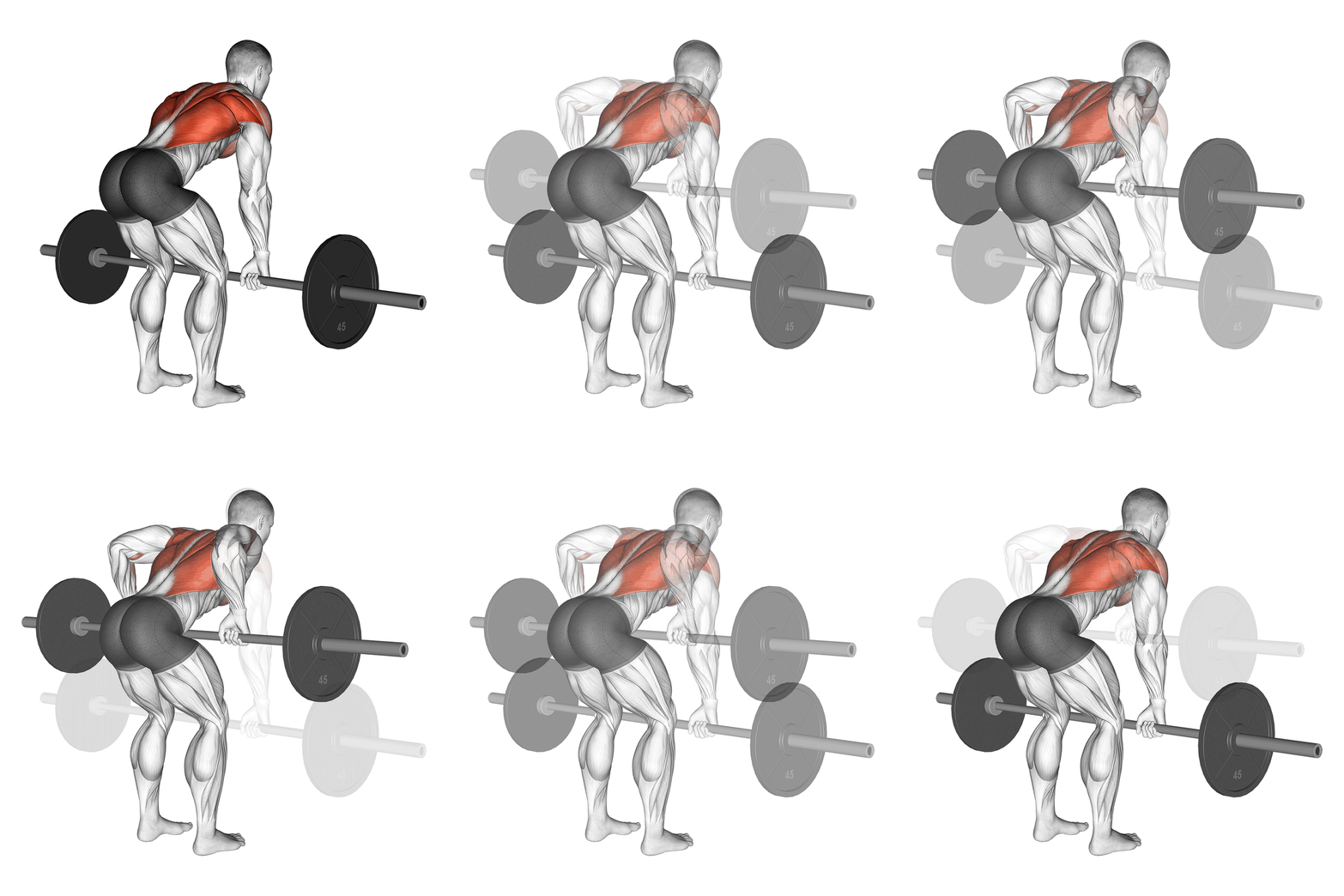
How to do the barbell bent-over row
- Step 1: Stand with your feet shoulder-width apart and knees slightly bent.
- Step 2: Bend forward at the hips while keeping your back straight and chest up.
- Step 3: Grasp the barbell with an overhand grip, hands slightly wider than shoulder-width apart.
- Step 4: Pull the barbell towards your lower chest by retracting your shoulder blades and squeezing your back muscles.
- Step 5: Pause for a moment at the top, then slowly lower the barbell back to the starting position.
- Step 6: Repeat for the desired number of repetitions.
Form cues
- Hinge forward until your torso is around 30 to 45 degrees above parallel, knees soft, bar hanging at arm length.
- Brace and keep your back flat.
- Row the bar to your lower ribs, driving the elbows back.
- Lower to straight arms without changing your torso angle.
Common barbell bent-over row mistakes
-
Standing up as you row, turning it into a shrug.
Fix: Keep the hinge angle fixed; lighten the weight if you cannot.
-
Rounding the lower back.
Fix: Brace before each rep and use a load you can hold the hinge with.
Sets, reps and programming
Use as the main horizontal pull: 3 or 4 sets of 6 to 12 reps. If your lower back is tired from deadlifts, use a chest-supported or cable row instead.
| Goal | Sets | Reps | Rest | Effort |
|---|---|---|---|---|
| Strength | 3–5 | 3–6 | 3–5 min | 1–3 reps in reserve |
| Muscle growth | 3–4 | 6–12 | 2–3 min | 1–2 reps in reserve |
| Muscular endurance | 2–3 | 12–20 | 1–2 min | 1–3 reps in reserve |
Ranges follow the ACSM position stand on progression in resistance training. Muscle grows across a wide range of loads when sets end close to failure (Schoenfeld et al., 2017), longer rests between heavy sets support strength and size (Schoenfeld et al., 2016), and stopping a rep or two short of failure works about as well as training to failure (Grgic et al., 2022). Estimate your working weights with the strength calculators.
Variations and progressions
- Pendlay row — Each rep starts from the floor; torso parallel.
- Dumbbell bent-over row — Each arm works on its own.
Barbell Bent-Over Row alternatives
- Seated cable row — Supported; no lower-back demand.
- T-bar row — Machine option.
- Inverted row — Bodyweight option.
More exercises that train the traps as their main target:
-
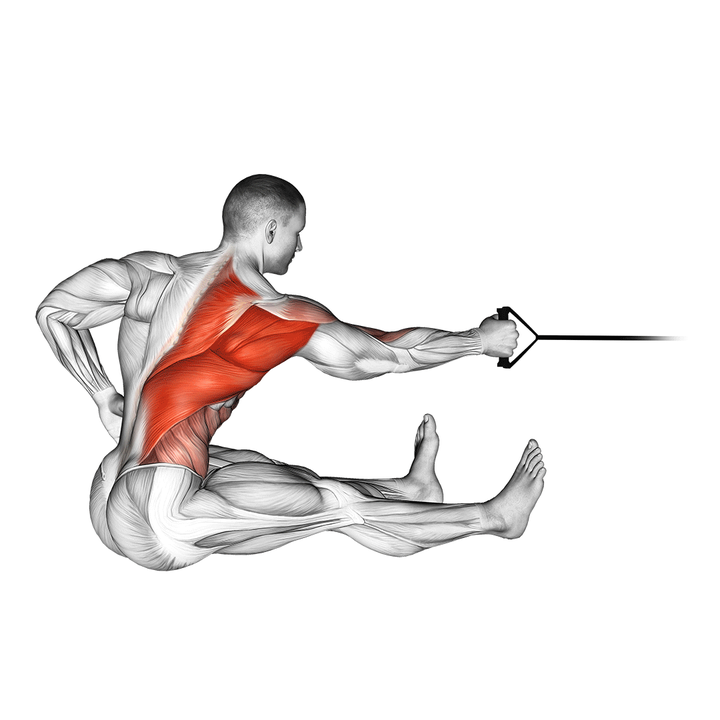
Band One Arm Twisting Seated Row
Traps · Band · Intermediate compound -
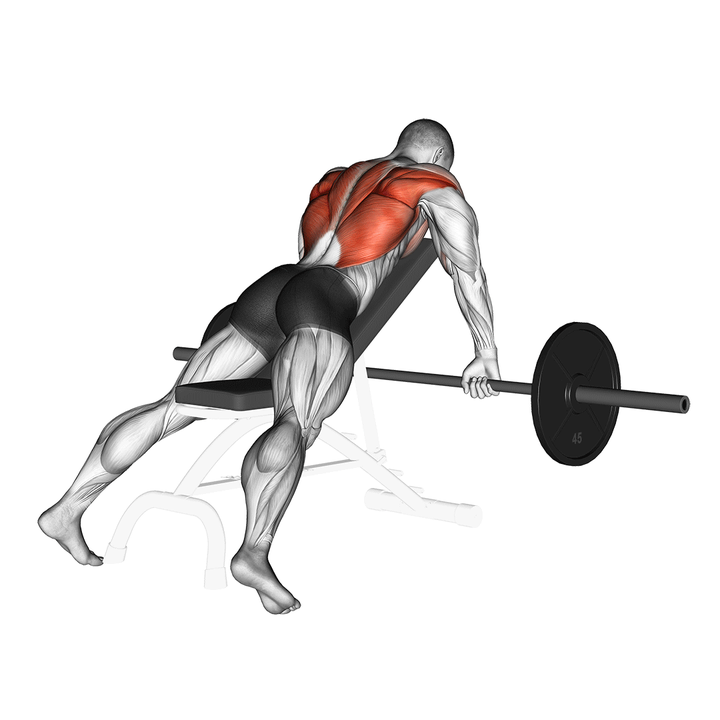
Barbell Incline Row
Traps · Barbell · Intermediate compound -
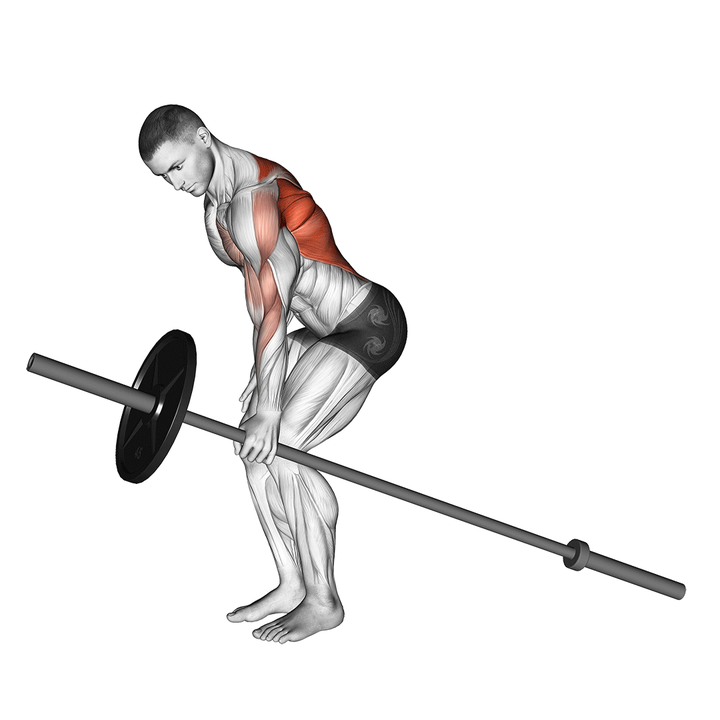
Barbell One Arm Bent over Row
Traps · Barbell · Intermediate compound -
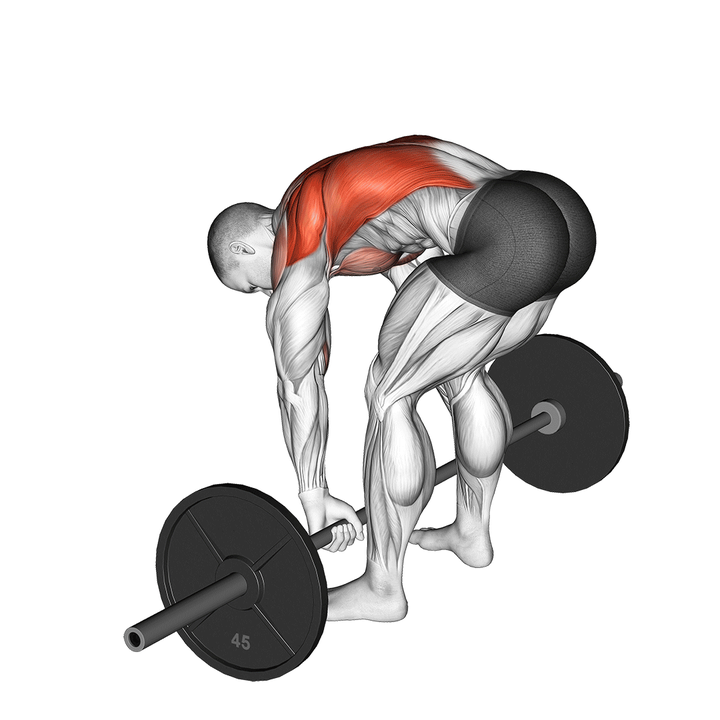
Barbell Pendlay Row
Traps · Barbell · Intermediate compound -
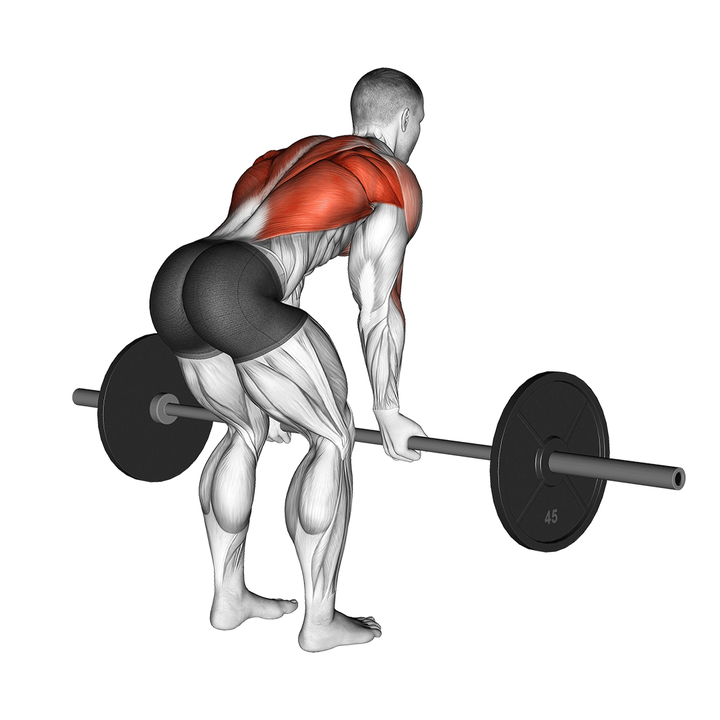
Barbell Reverse Grip Bent over Row
Traps · Barbell · Intermediate compound -
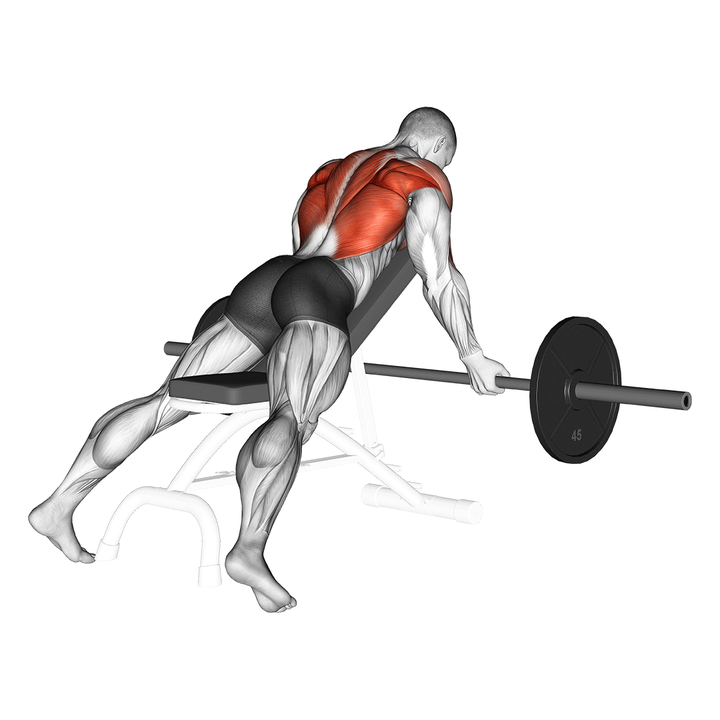
Barbell Reverse Grip Incline Bench Row
Traps · Barbell · Intermediate compound -
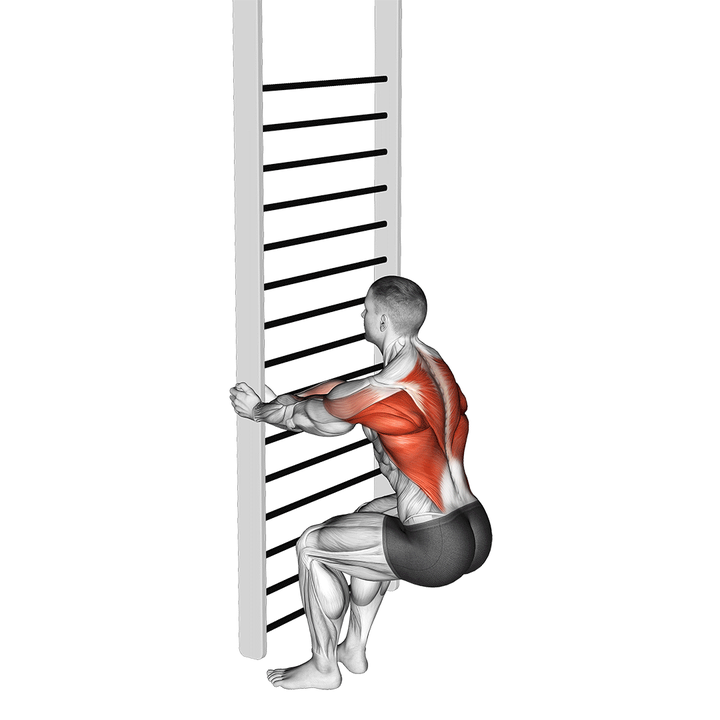
Bodyweight Squatting Row
Traps · Body Weight · Intermediate compound -
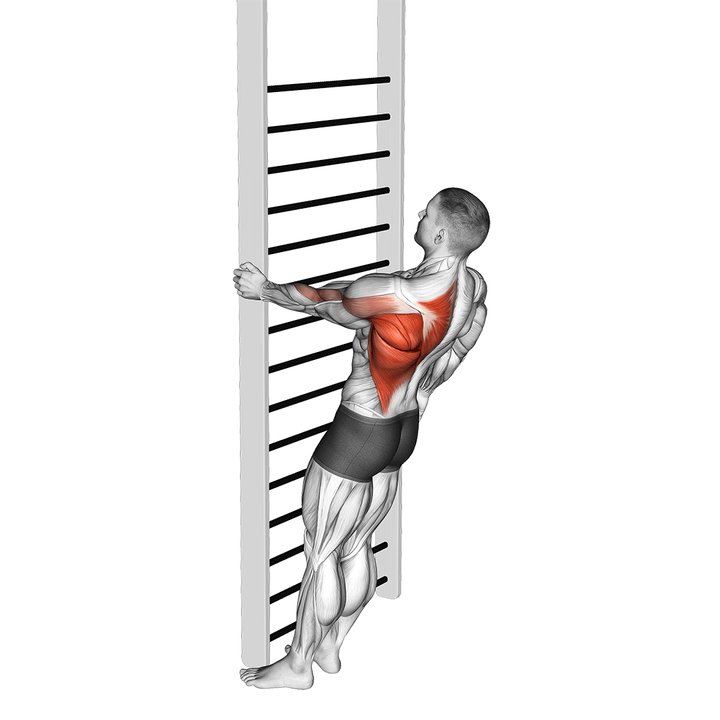
Bodyweight Standing Close-Grip One Arm Row
Traps · Body Weight · Intermediate compound
Barbell Bent-Over Row FAQs
Overhand or underhand grip for barbell rows?
An overhand grip with elbows a little wider biases the upper back and rear delts; an underhand grip keeps the elbows tighter and uses more lats and biceps.
More traps exercises
-
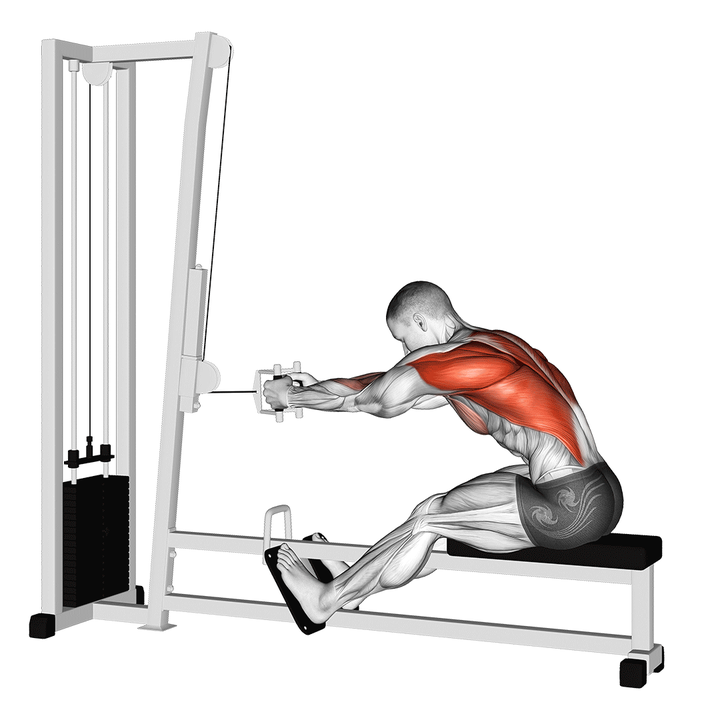
Seated Cable Row
Traps · Cable · Beginner compound -
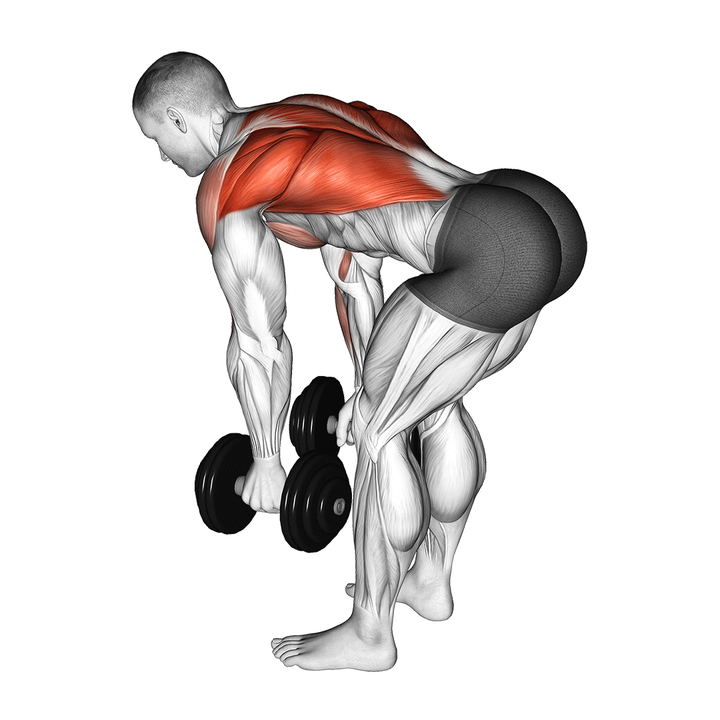
Dumbbell Bent-Over Row
Traps · Dumbbell · Intermediate compound -
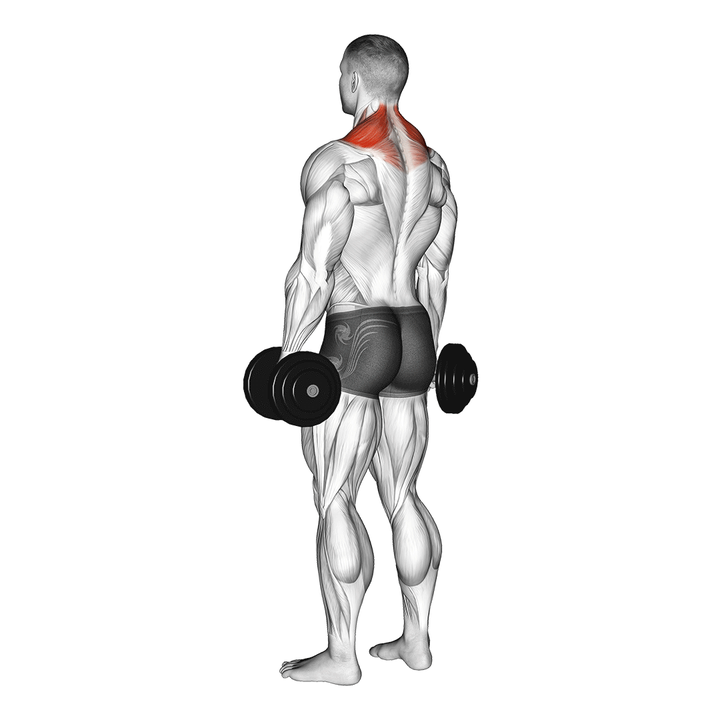
Dumbbell Shrug
Traps · Dumbbell · Beginner compound -
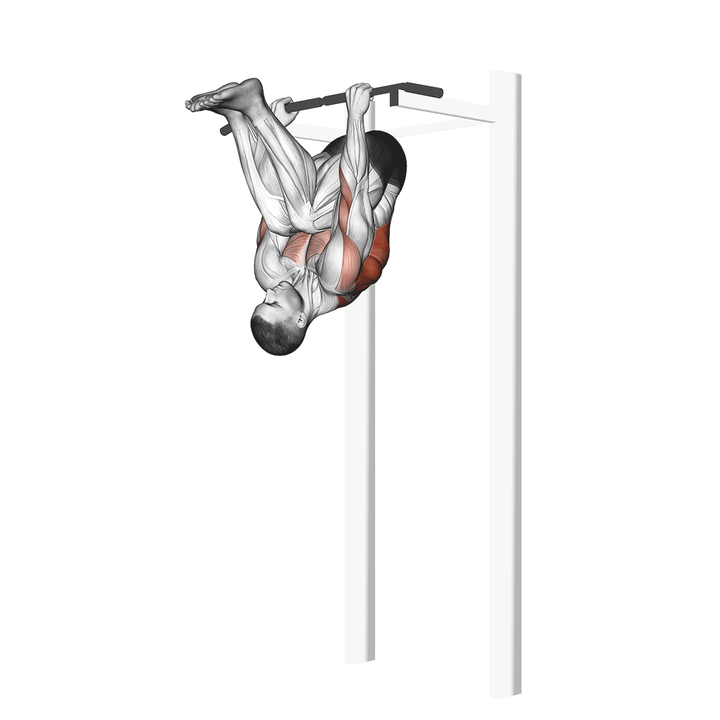
Inverted Row
Traps · Body Weight · Beginner compound -
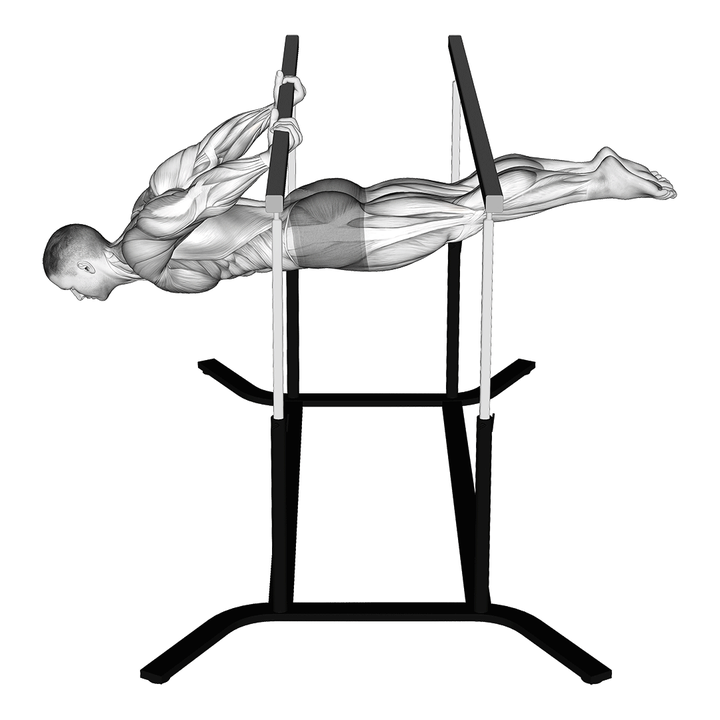
Back Lever
Traps · Body Weight · Advanced compound -
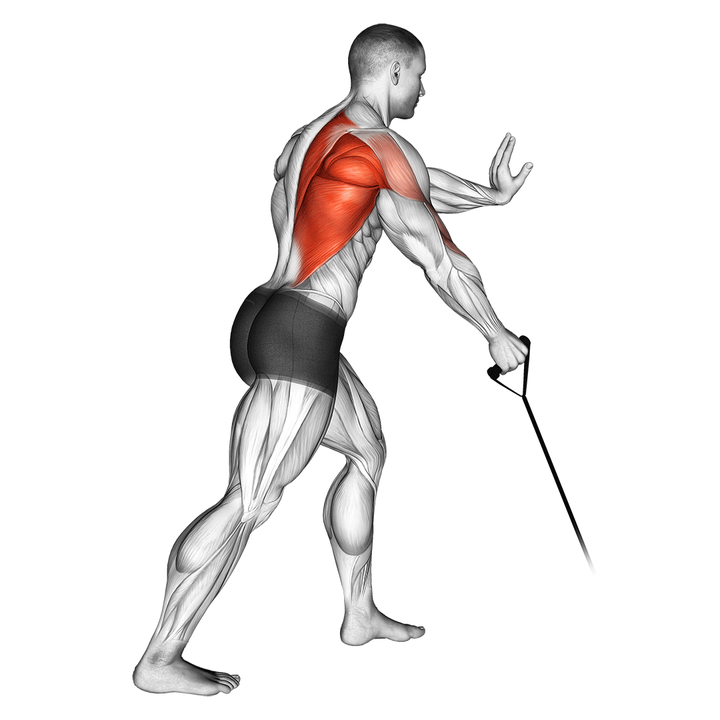
Band One Arm Standing Low Row
Traps · Band · Beginner compound
Sources
- American College of Sports Medicine. Progression models in resistance training for healthy adults. Med Sci Sports Exerc. 2009;41(3):687-708.
- Schoenfeld BJ, Grgic J, Ogborn D, Krieger JW. Strength and hypertrophy adaptations between low- vs. high-load resistance training. J Strength Cond Res. 2017;31(12):3508-3523.
- Schoenfeld BJ, Pope ZK, Benik FM, et al. Longer interset rest periods enhance muscle strength and hypertrophy in resistance-trained men. J Strength Cond Res. 2016;30(7):1805-1812.
- Grgic J, Schoenfeld BJ, Orazem J, Sabol F. Effects of resistance training performed to repetition failure or non-failure on muscular strength and hypertrophy: a systematic review and meta-analysis. J Sport Health Sci. 2022;11(2):202-211.
Step-by-step instructions and demonstration media are from the ExerciseDB exercise dataset; cues, mistakes, programming and FAQs are written by FitStack.
This guide is general fitness information, not medical advice. Stop if an exercise causes pain and speak to a doctor or physiotherapist about injuries or health conditions before starting a new programme.