Exercise guide · Intermediate · Compound
Vertical Cable Cross-over Reverse Fly: How to Do It & Muscles Worked
The cable cross-over reverse fly is an isolation exercise targeting the rear deltoids, with secondary emphasis on the rhomboids and trapezius. It is performed using a cable crossover machine and requires good posture, control, and coordination.
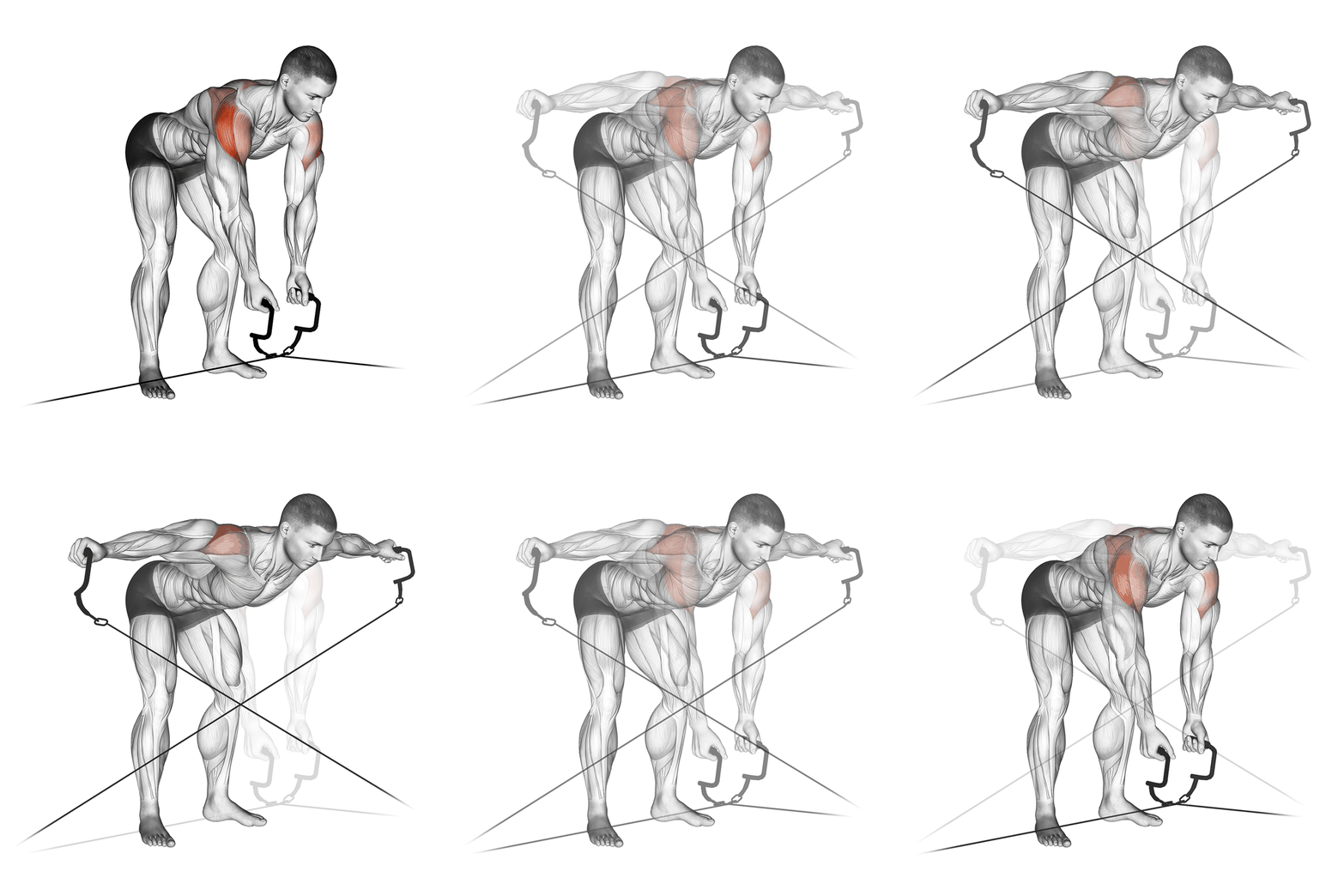
How to do the vertical cable cross-over reverse fly
- Step 1: Attach a D-handle to each low pulley cable and stand in the middle of the cable crossover machine.
- Step 2: Grasp the handles with a pronated grip (palms facing down) and take a step forward, positioning your feet shoulder-width apart. Focus on vertical movement.
- Step 3: Bend your knees slightly and lean forward at the waist, keeping your back straight and your abs engaged.
- Step 4: With your arms extended out to the sides and slightly bent at the elbows, exhale and squeeze your shoulder blades together as you pull the cables back and upward in a reverse fly motion.
- Step 5: Pause for a moment at the peak contraction, then inhale and slowly return to the starting position.
- Step 6: Repeat for the desired number of repetitions.
Sets, reps and programming
| Goal | Sets | Reps | Rest | Effort |
|---|---|---|---|---|
| Strength | 3–5 | 3–6 | 3–5 min | 1–3 reps in reserve |
| Muscle growth | 3–4 | 6–12 | 2–3 min | 1–2 reps in reserve |
| Muscular endurance | 2–3 | 12–20 | 1–2 min | 1–3 reps in reserve |
Ranges follow the ACSM position stand on progression in resistance training. Muscle grows across a wide range of loads when sets end close to failure (Schoenfeld et al., 2017), longer rests between heavy sets support strength and size (Schoenfeld et al., 2016), and stopping a rep or two short of failure works about as well as training to failure (Grgic et al., 2022). Estimate your working weights with the strength calculators.
Vertical Cable Cross-over Reverse Fly alternatives
More exercises that train the shoulders as their main target:
-
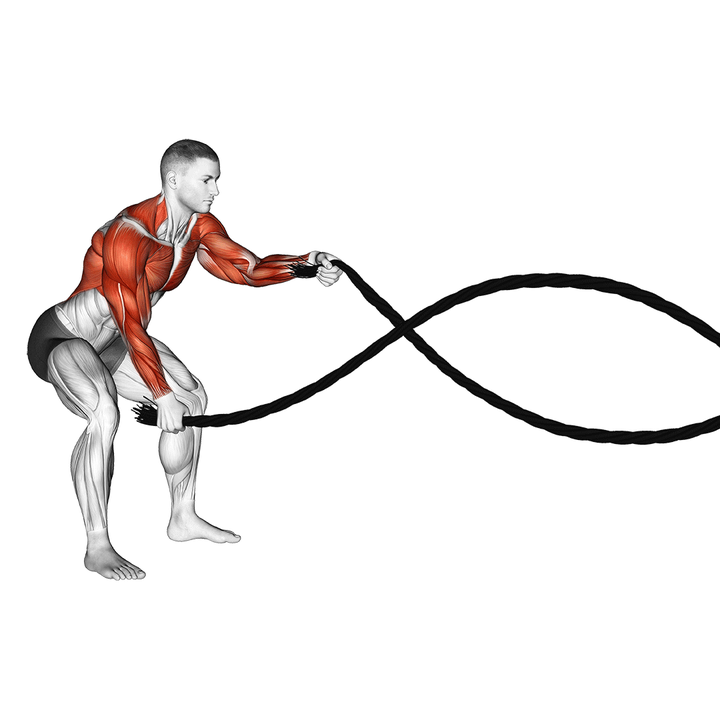
Advanced Style Battling Ropes
Shoulders · Rope · Intermediate cardio -
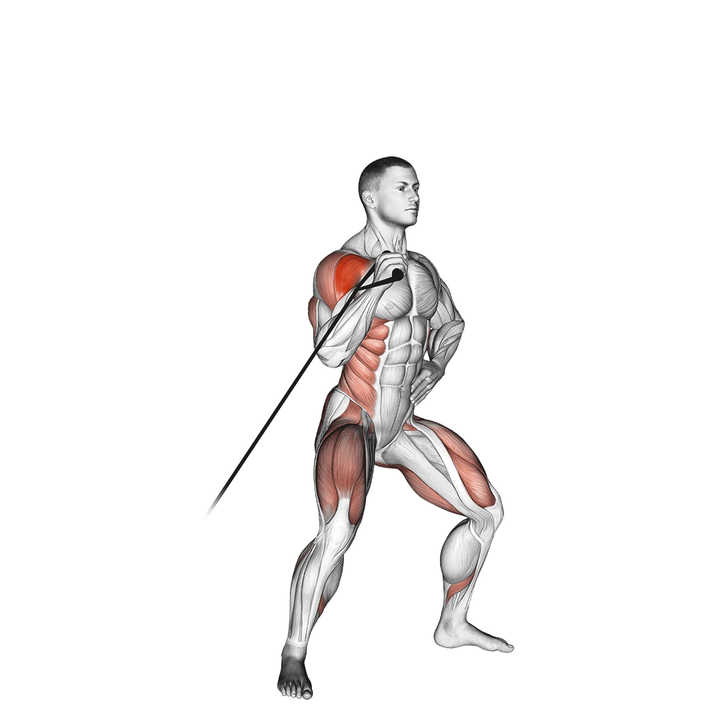
Band Twisting Overhead Press
Shoulders · Band · Intermediate compound -
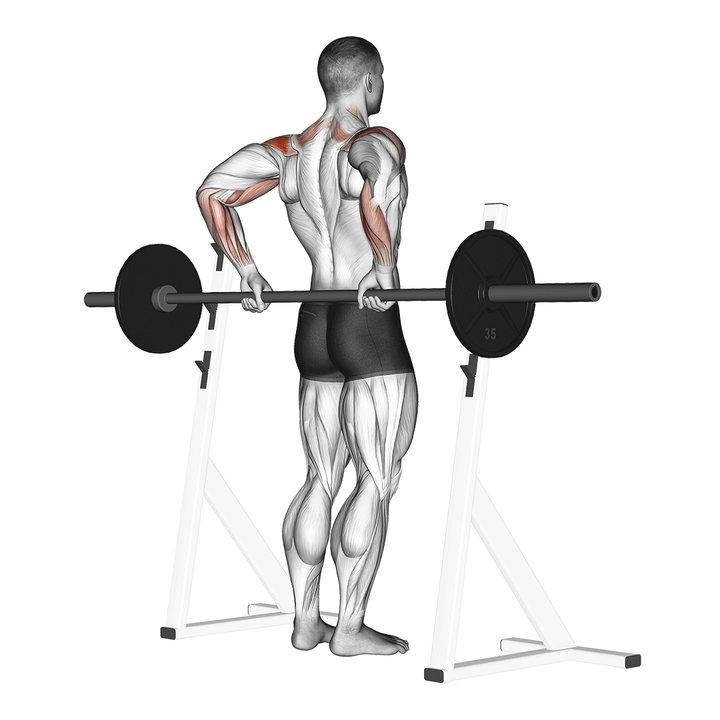
Barbell Rear Delt Raise
Shoulders · Barbell · Intermediate compound -
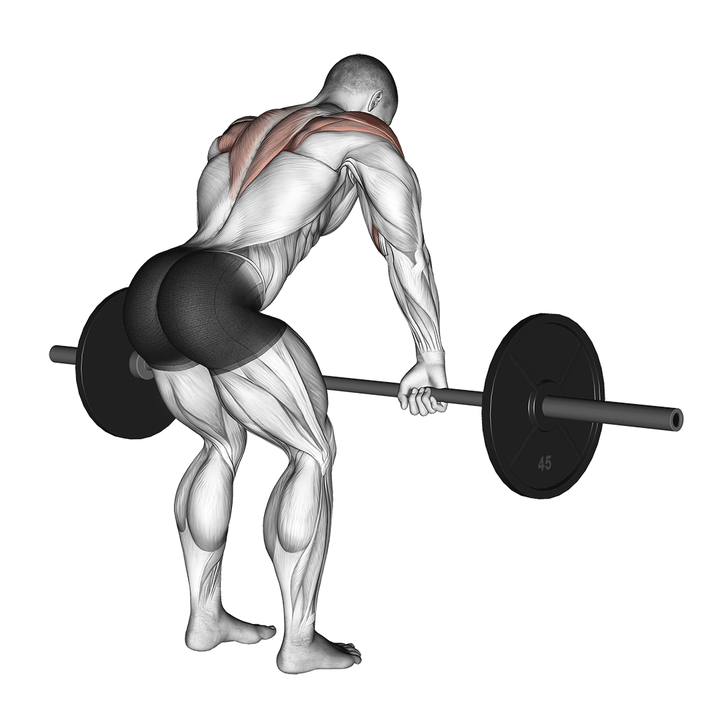
Barbell Rear Delt Row
Shoulders · Barbell · Intermediate compound -
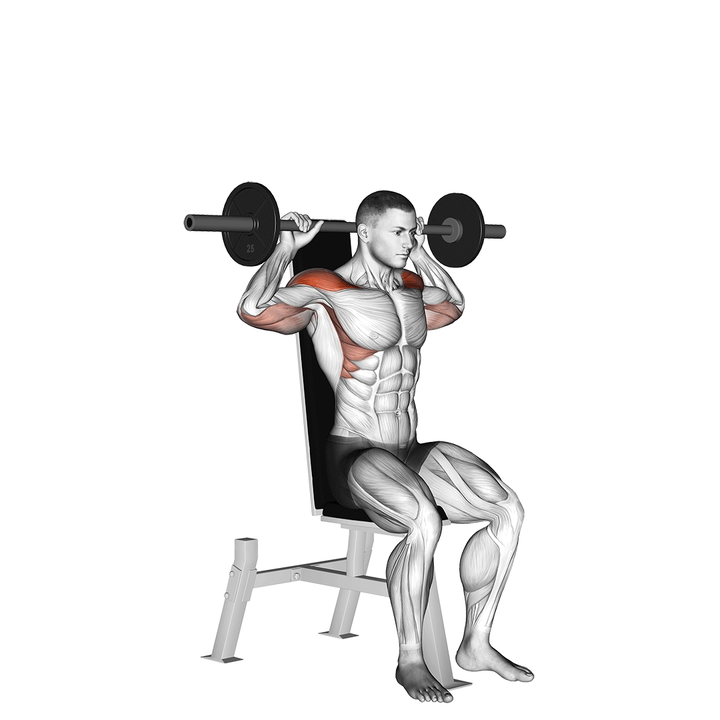
Barbell Seated Bradford Rocky Press
Shoulders · Barbell · Intermediate compound -
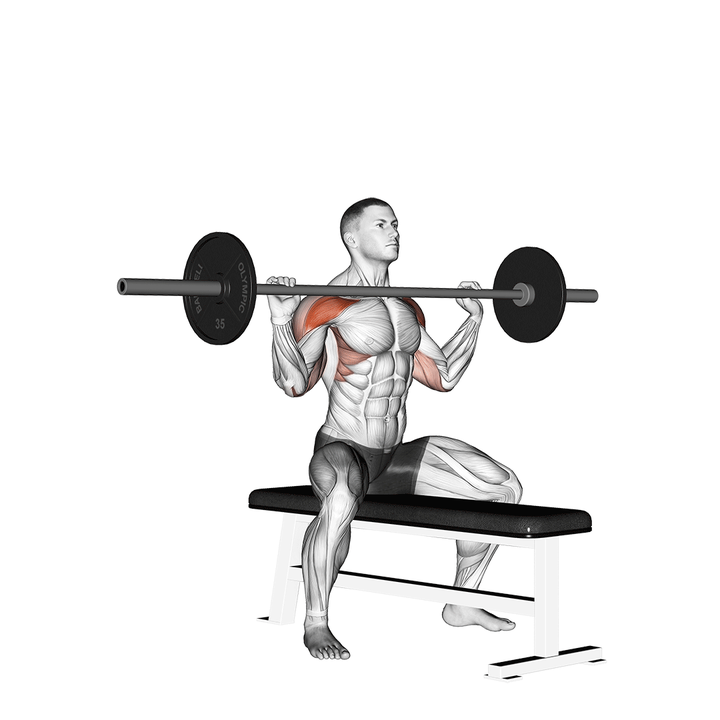
Barbell Seated Overhead Press
Shoulders · Barbell · Intermediate compound -
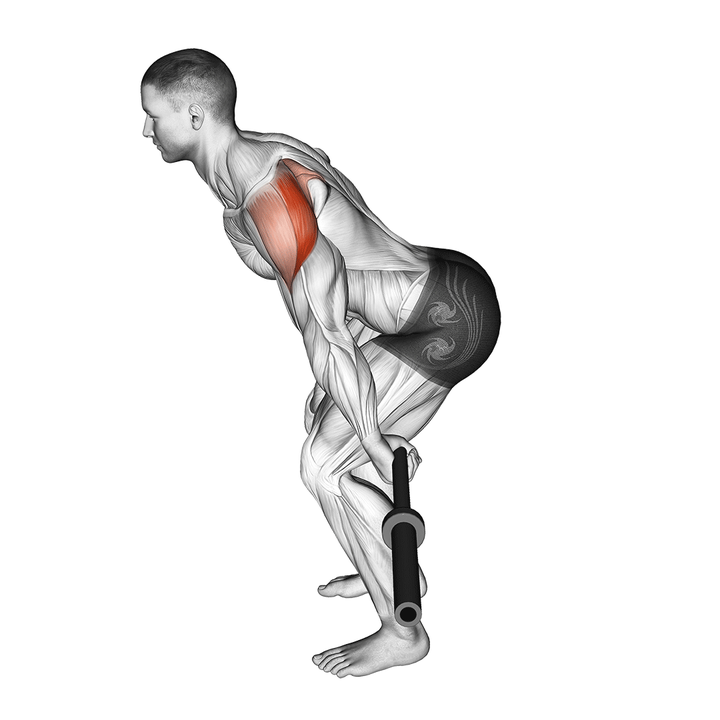
Barbell Skier
Shoulders · Barbell · Intermediate compound -
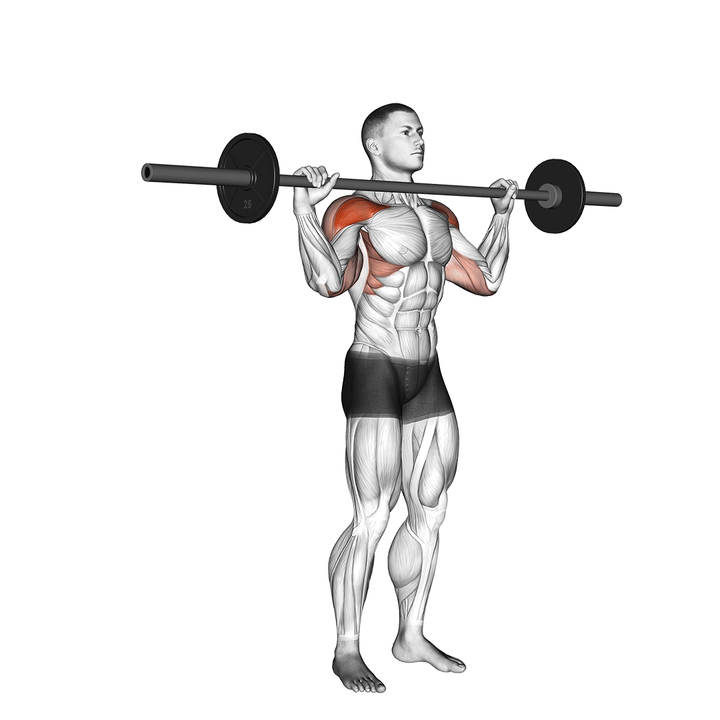
Barbell Standing Bradford Press
Shoulders · Barbell · Intermediate compound
More shoulders exercises
-
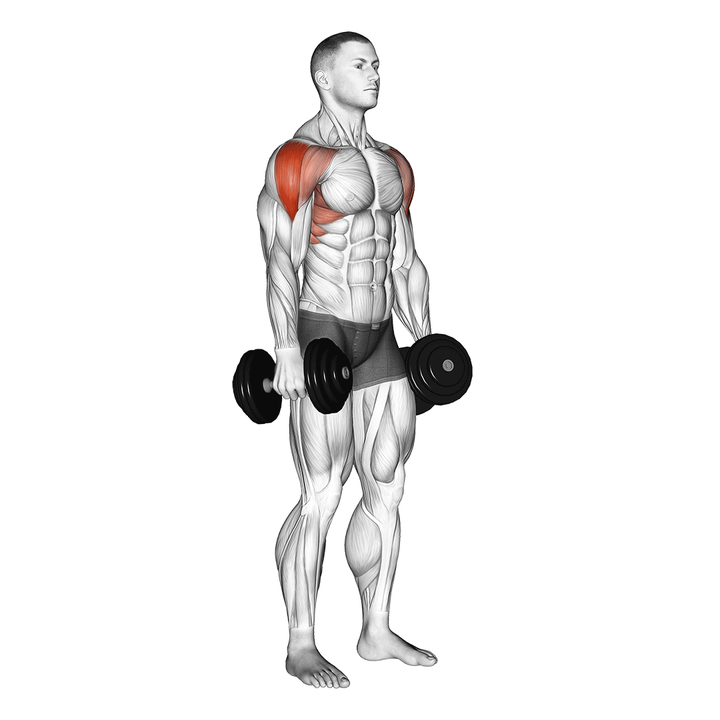
Dumbbell Lateral Raise
Shoulders · Dumbbell · Beginner compound -
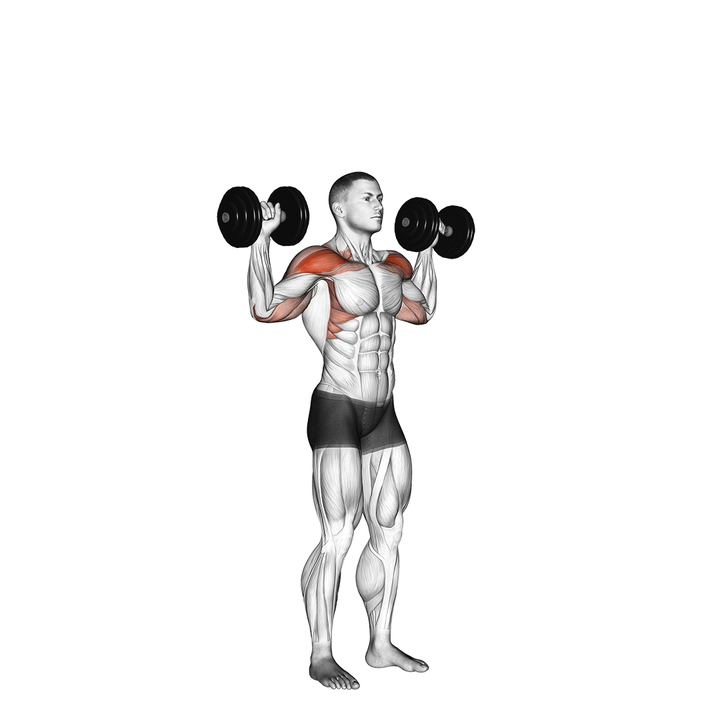
Standing Dumbbell Overhead Press
Shoulders · Dumbbell · Intermediate compound -
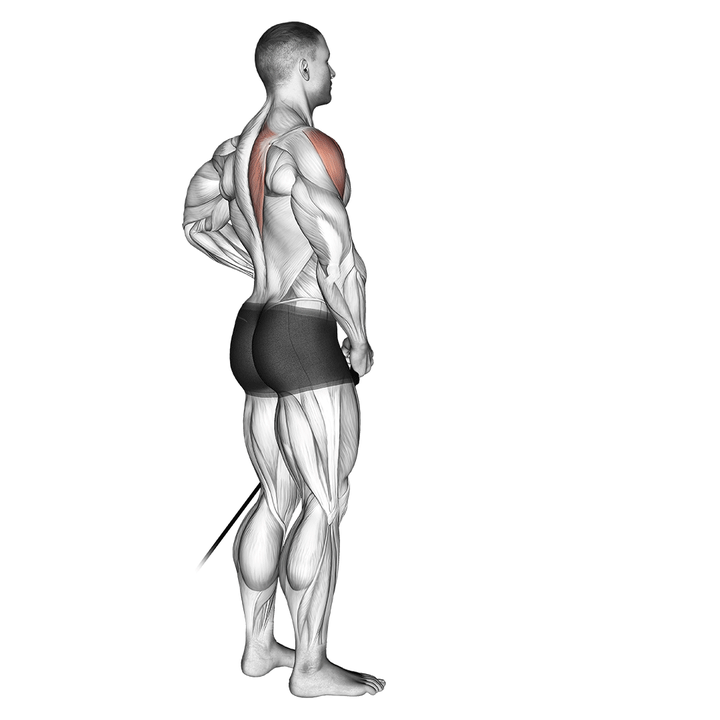
Band Front Lateral Raise
Shoulders · Band · Beginner compound -
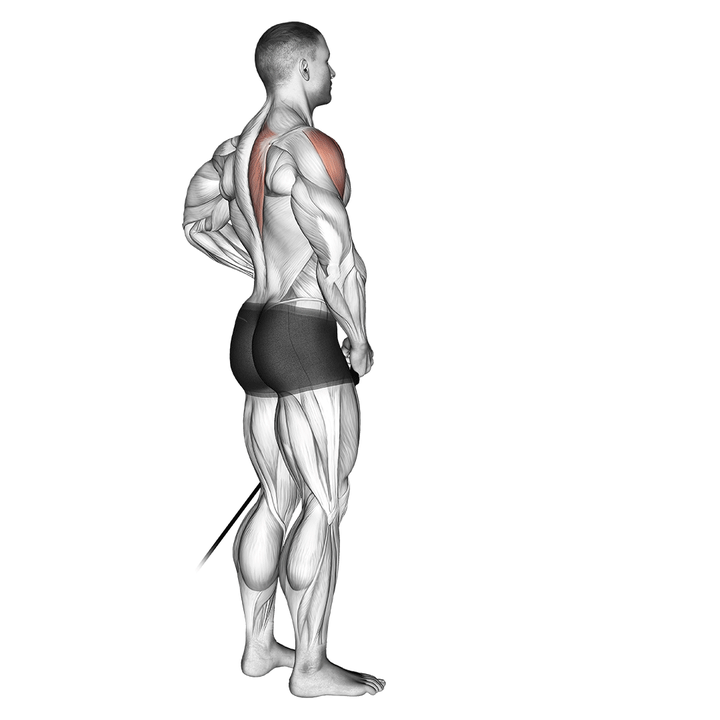
Band Front Lateral Raise - Complete Variation
Shoulders · Band · Beginner compound -
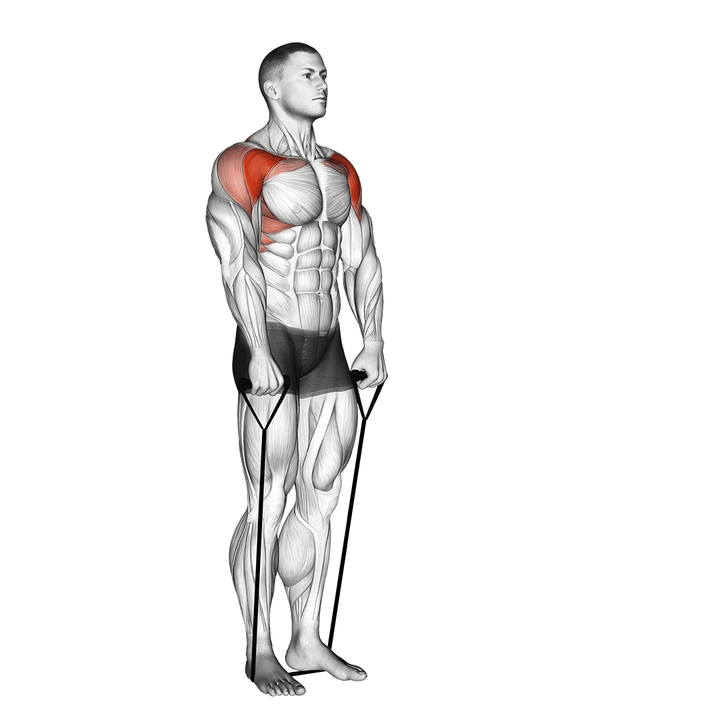
Band Front Raise
Shoulders · Band · Beginner compound -
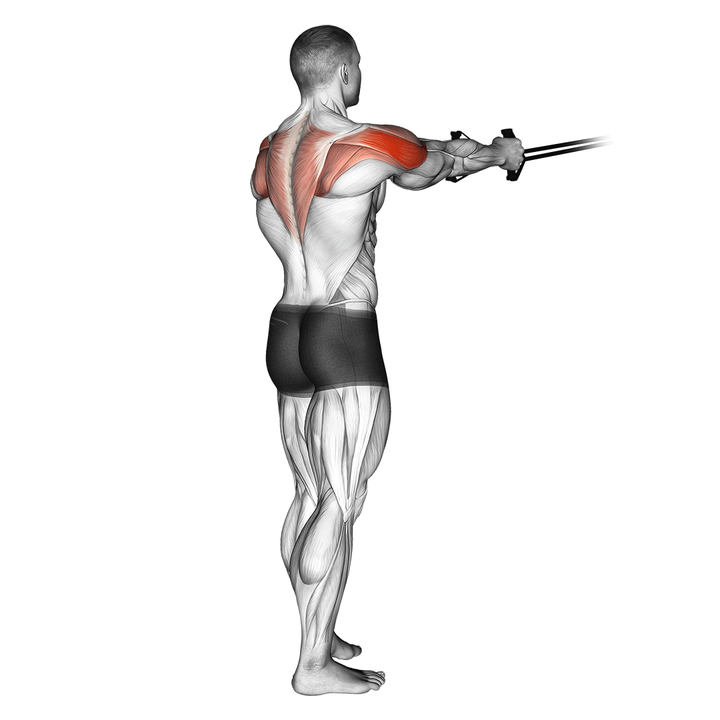
Band Reverse Fly
Shoulders · Band · Beginner compound
Sources
- American College of Sports Medicine. Progression models in resistance training for healthy adults. Med Sci Sports Exerc. 2009;41(3):687-708.
- Schoenfeld BJ, Grgic J, Ogborn D, Krieger JW. Strength and hypertrophy adaptations between low- vs. high-load resistance training. J Strength Cond Res. 2017;31(12):3508-3523.
- Schoenfeld BJ, Pope ZK, Benik FM, et al. Longer interset rest periods enhance muscle strength and hypertrophy in resistance-trained men. J Strength Cond Res. 2016;30(7):1805-1812.
- Grgic J, Schoenfeld BJ, Orazem J, Sabol F. Effects of resistance training performed to repetition failure or non-failure on muscular strength and hypertrophy: a systematic review and meta-analysis. J Sport Health Sci. 2022;11(2):202-211.
Step-by-step instructions and demonstration media are from the ExerciseDB exercise dataset.
This guide is general fitness information, not medical advice. Stop if an exercise causes pain and speak to a doctor or physiotherapist about injuries or health conditions before starting a new programme.