Exercise guide · Beginner · Stretch
Behind Head Chest Stretch: How to Do It & Muscles Worked
The behind head chest stretch is a flexibility exercise that targets the pectoral muscles. It is performed by standing tall, interlacing the fingers behind the head, and gently squeezing the shoulder blades together to stretch the chest.
- Primary muscles
- Chest
- Equipment
- Assisted
- Level · type
- Beginner · Stretch
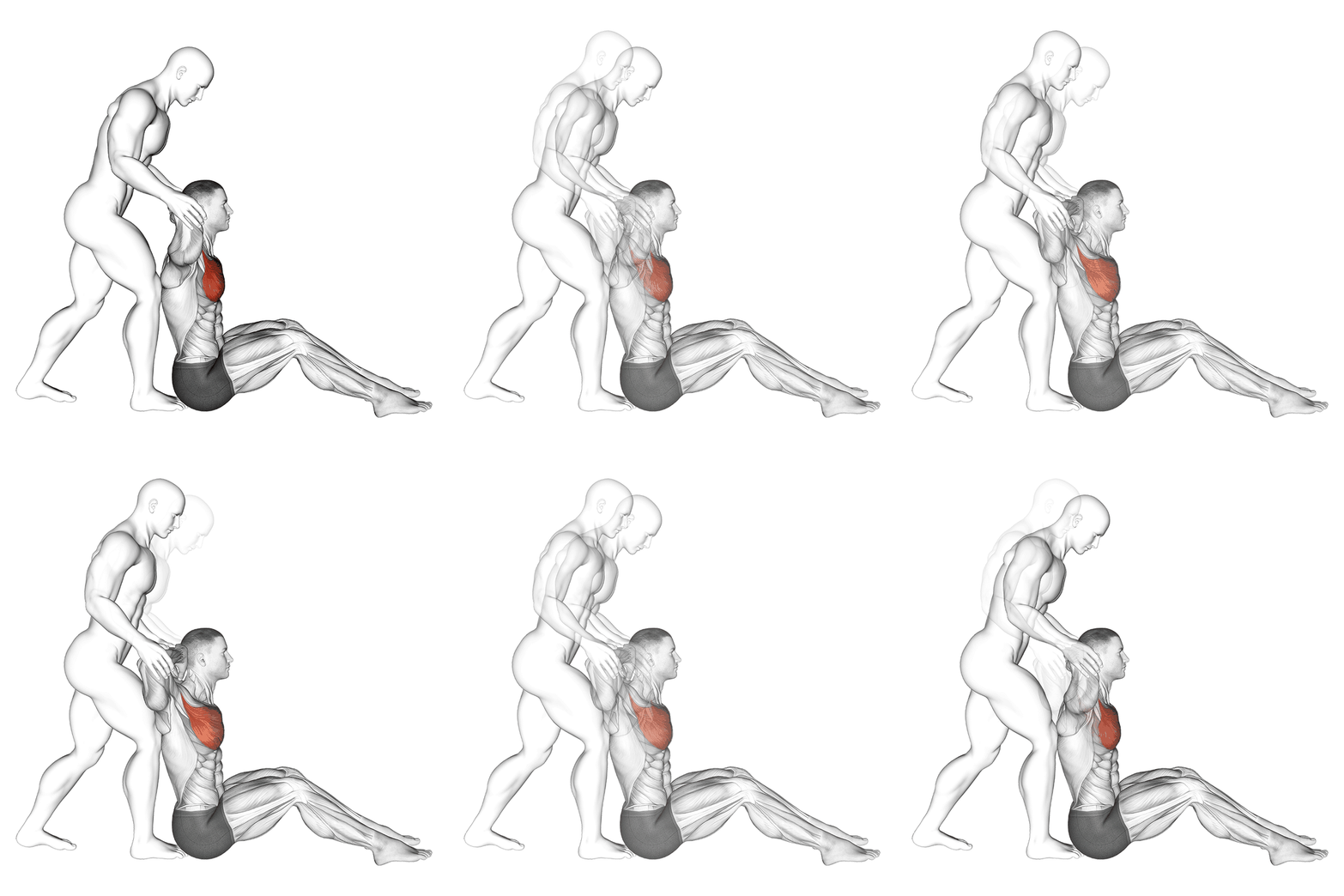
How to do the behind head chest stretch
- Step 1: Stand tall with your feet shoulder-width apart.
- Step 2: Interlace your fingers behind your head with your elbows pointing outwards.
- Step 3: Slowly squeeze your shoulder blades together and push your chest forward.
- Step 4: Hold the stretch for 15-30 seconds.
- Step 5: Release the stretch and repeat as desired.
Behind Head Chest Stretch alternatives
More exercises that train the chest as their main target:
-
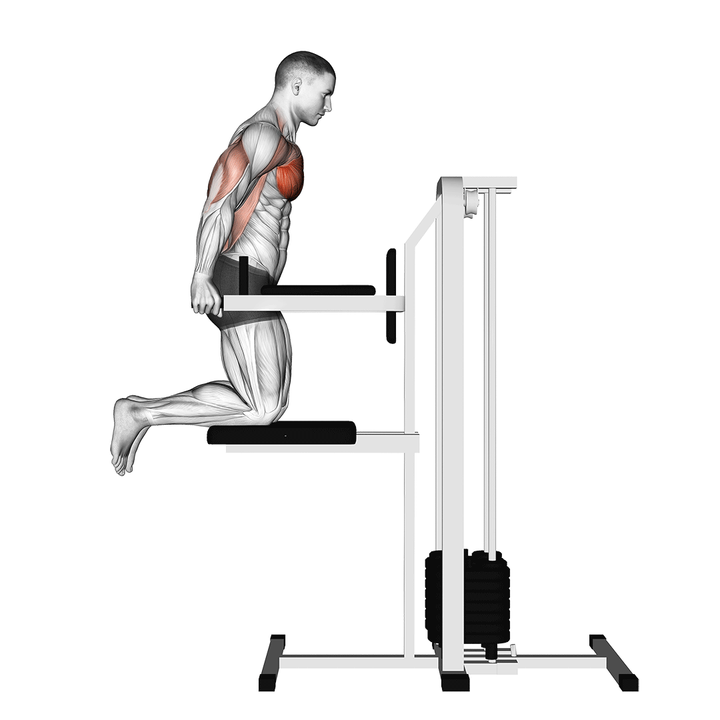
Assisted Chest Dip (Kneeling)
Chest · Leverage Machine · Beginner compound -
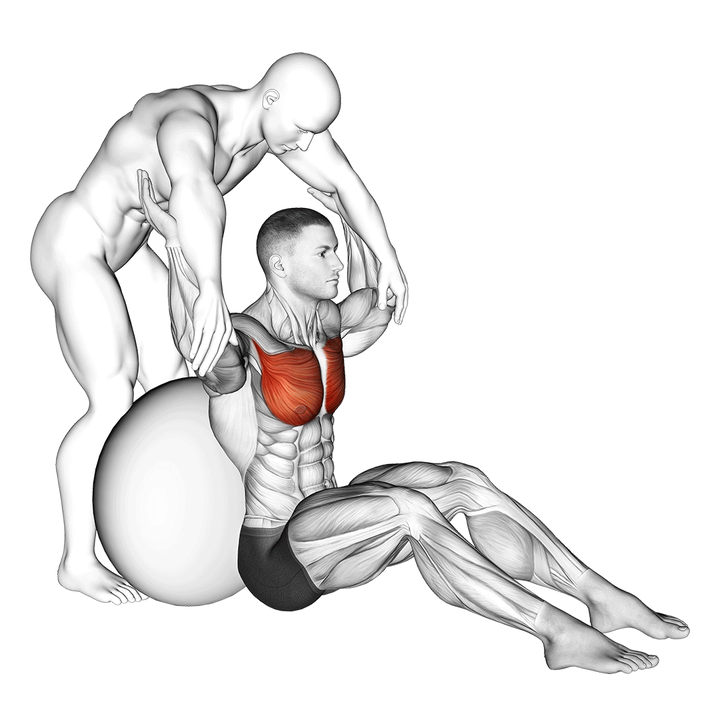
Assisted Seated Pectoralis Major Stretch with Stability Ball
Chest · Assisted · Beginner stretch -
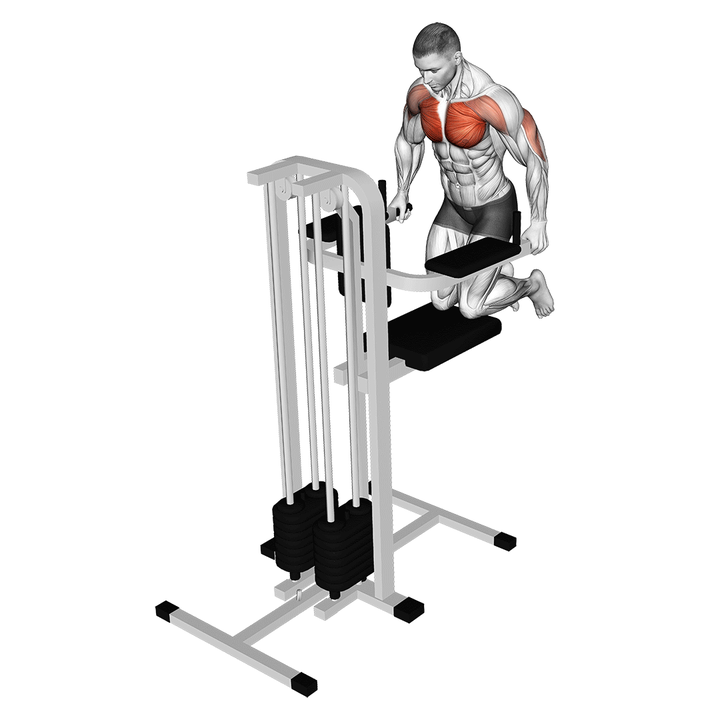
Assisted Wide-Grip Chest Dip (Kneeling)
Chest · Leverage Machine · Beginner compound -
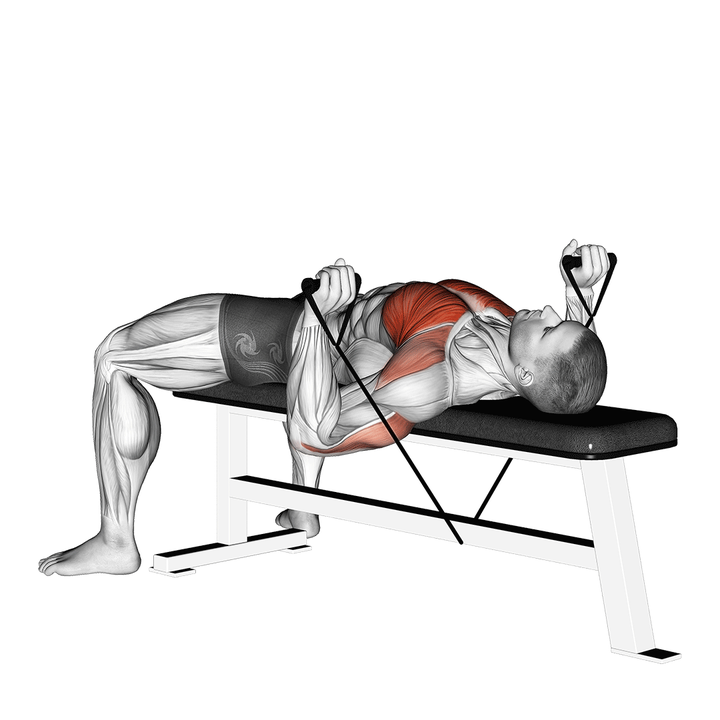
Band Bench Press
Chest · Band · Beginner compound -
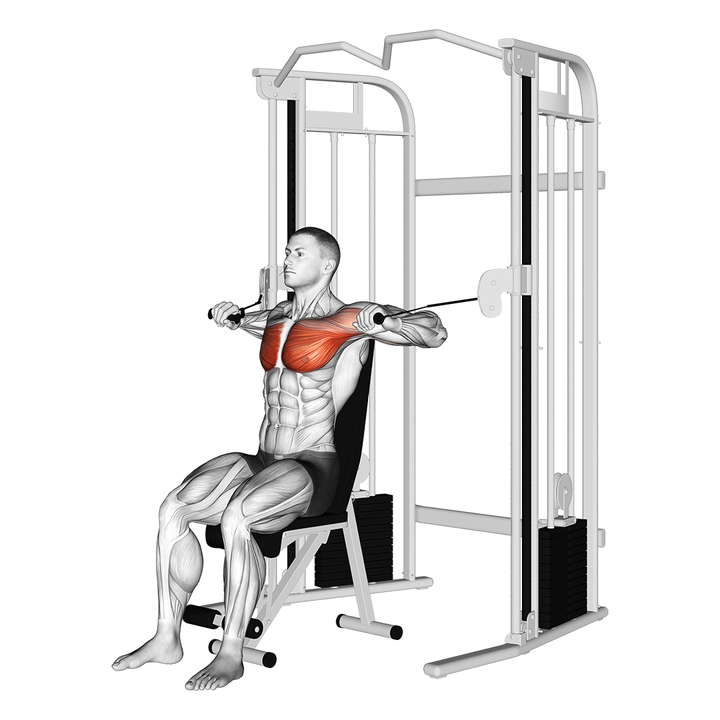
Cable Seated Chest Press
Chest · Cable · Beginner compound -
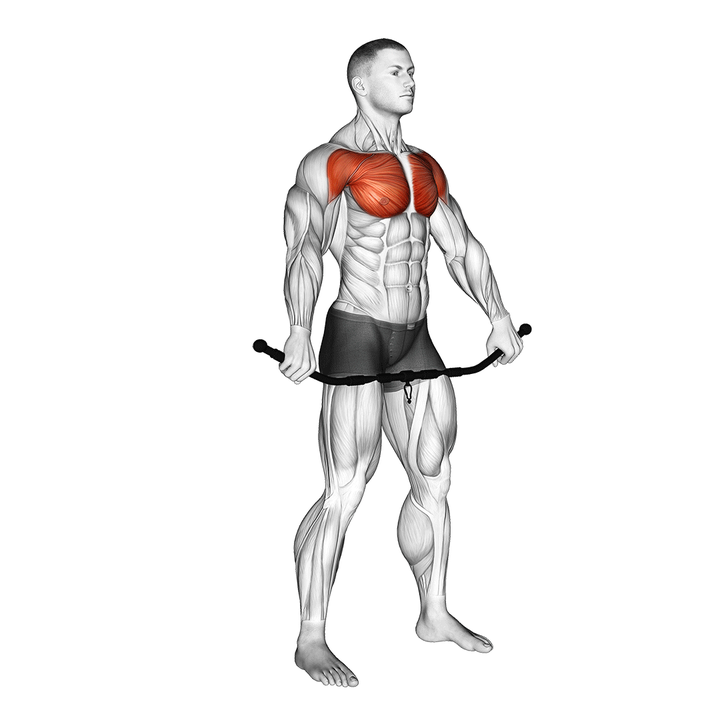
Chest and Front of Shoulder Stretch
Chest · Body Weight · Beginner stretch -
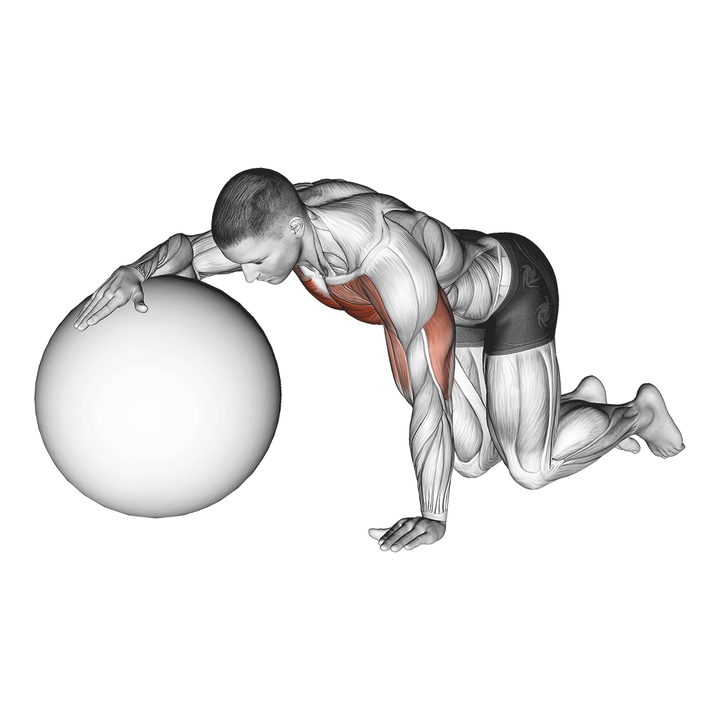
Chest Stretch with Exercise Ball
Chest · Stability Ball · Beginner stretch -
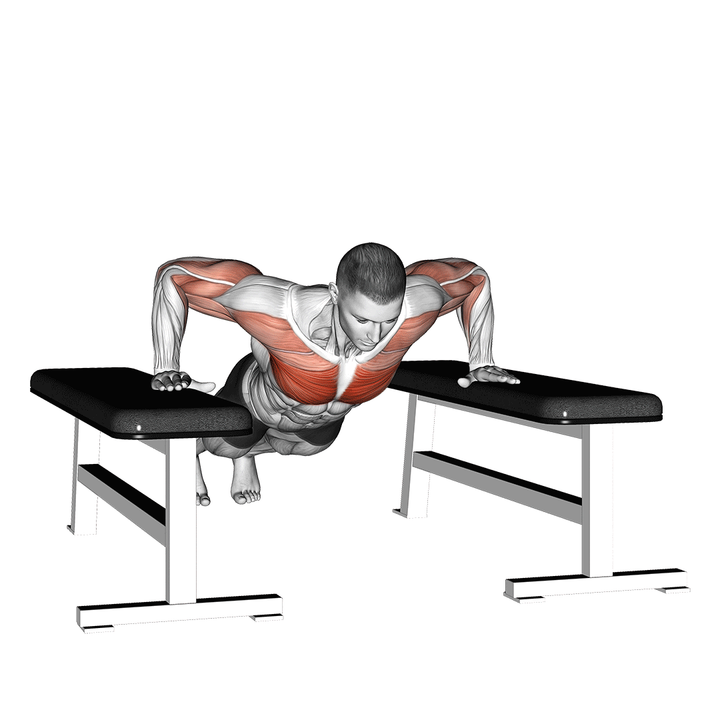
Drop Push Up
Chest · Body Weight · Beginner compound
More chest exercises
-
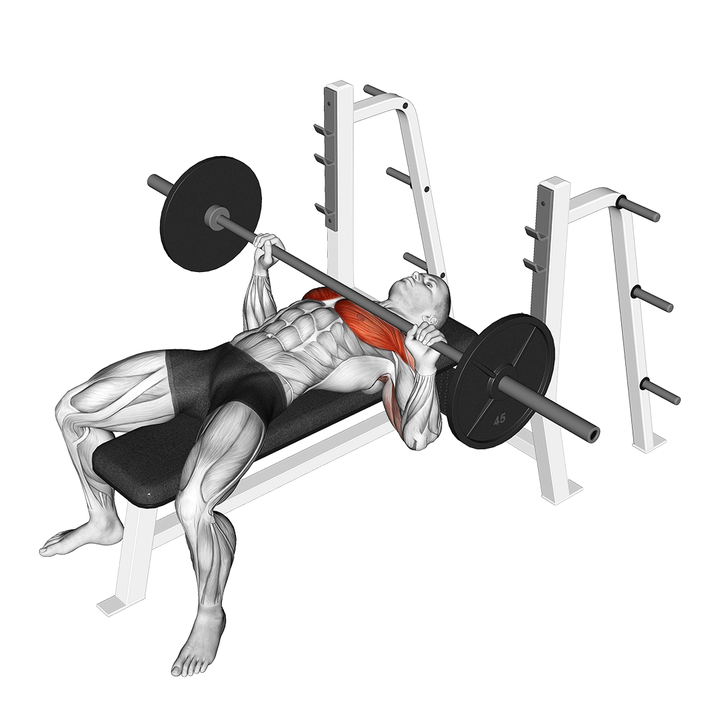
Barbell Bench Press
Chest · Barbell · Intermediate compound -
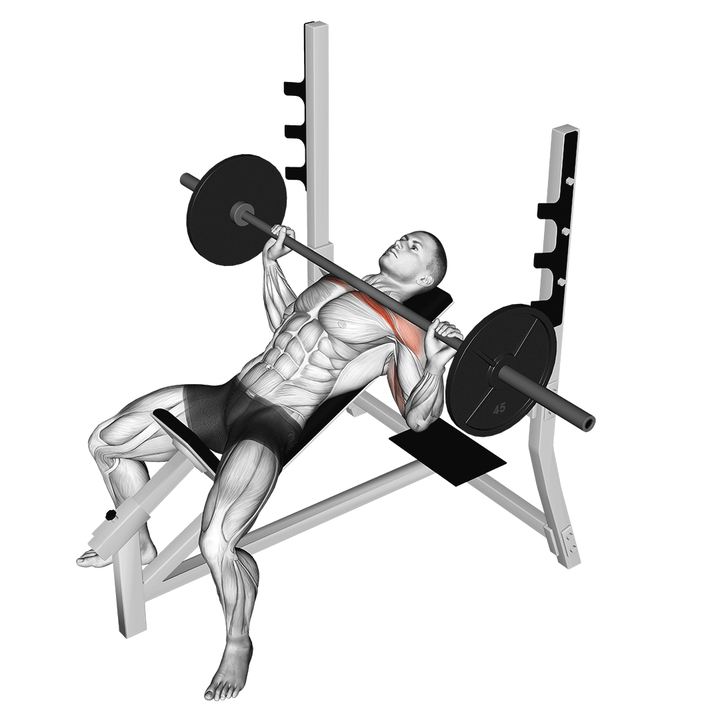
Incline Barbell Bench Press
Chest · Barbell · Intermediate compound -
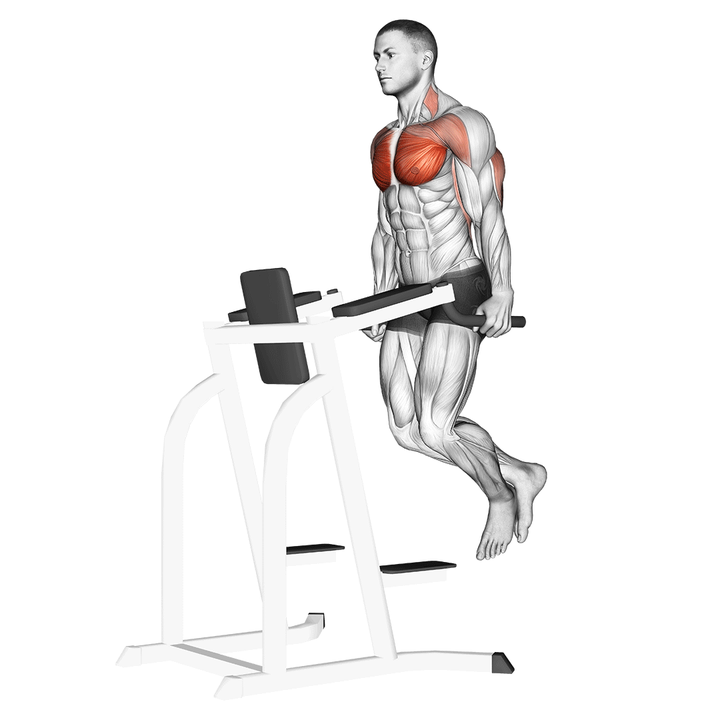
Chest Dip
Chest · Body Weight · Advanced compound -
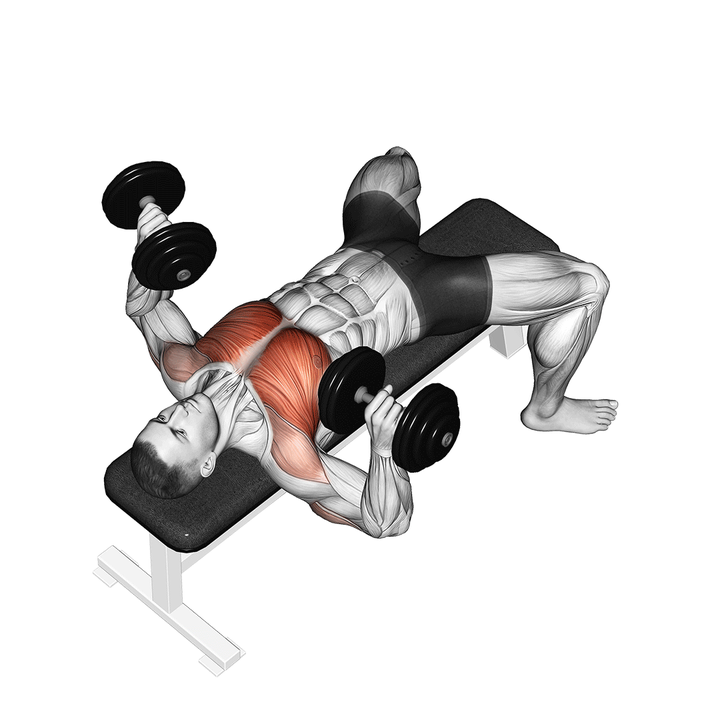
Dumbbell Bench Press
Chest · Dumbbell · Beginner compound -
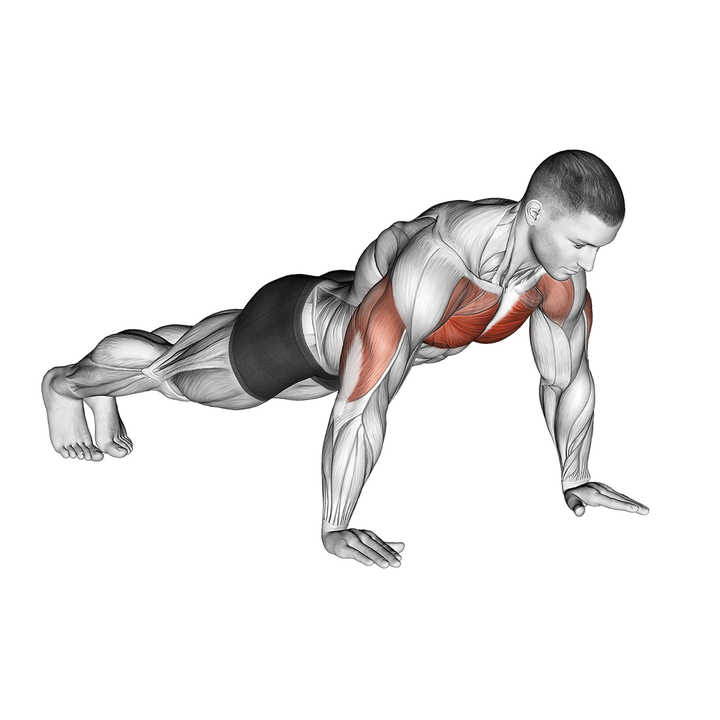
Push-Up
Chest · Body Weight · Beginner compound -
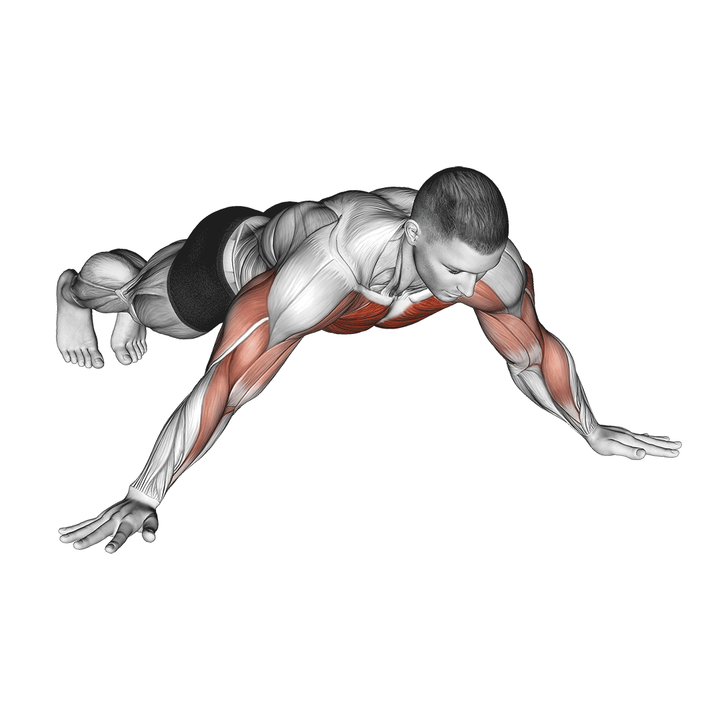
Archer Push Up
Chest · Body Weight · Advanced compound
Step-by-step instructions and demonstration media are from the ExerciseDB exercise dataset.
This guide is general fitness information, not medical advice. Stop if an exercise causes pain and speak to a doctor or physiotherapist about injuries or health conditions before starting a new programme.